Issue · Criminal Justice

Criminal Justice

Every criminal justice bill, vote, and legislator stance in Washington, automatically classified by Maddy, our AI policy reader.

Total bills
72
2025-2026 Regular Session
Top supporter
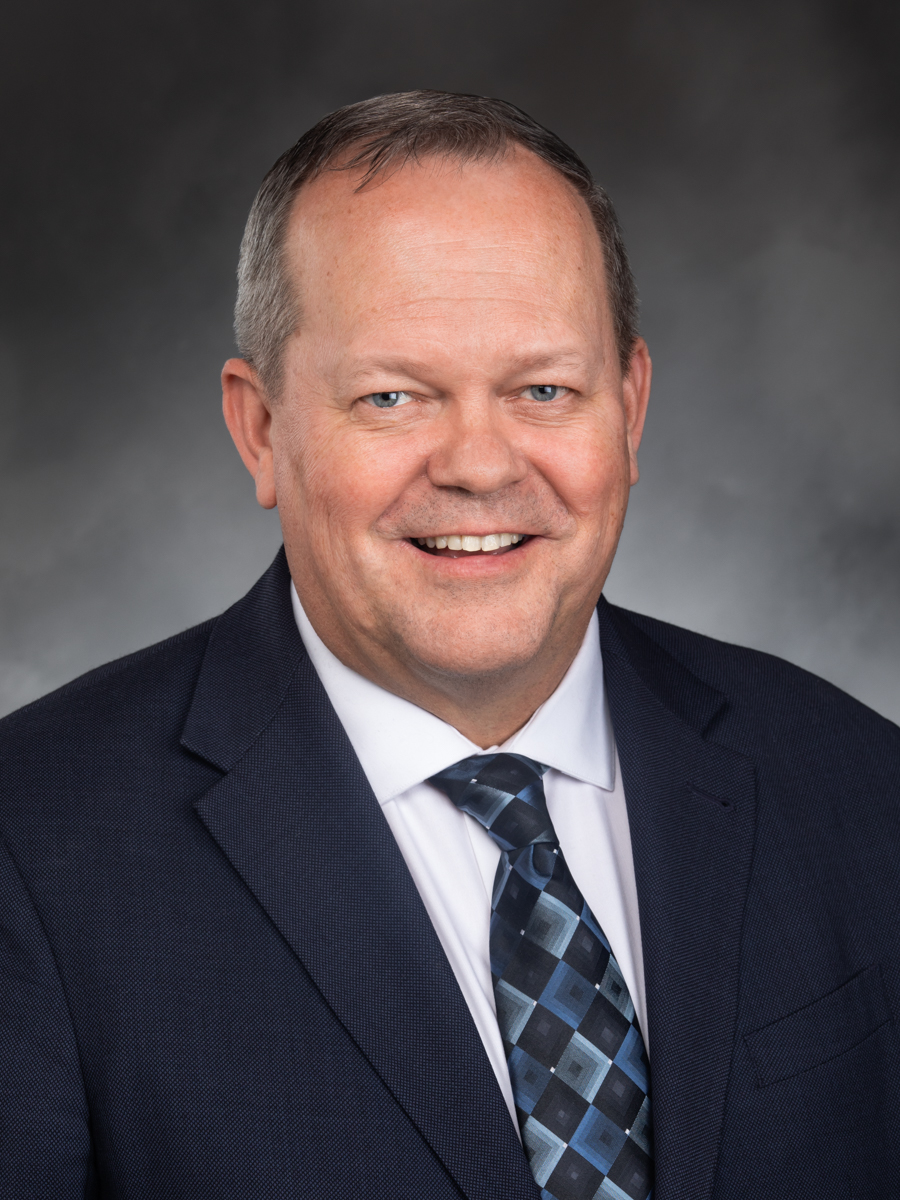
Steve Tharinger
91% support rate
Top opponent
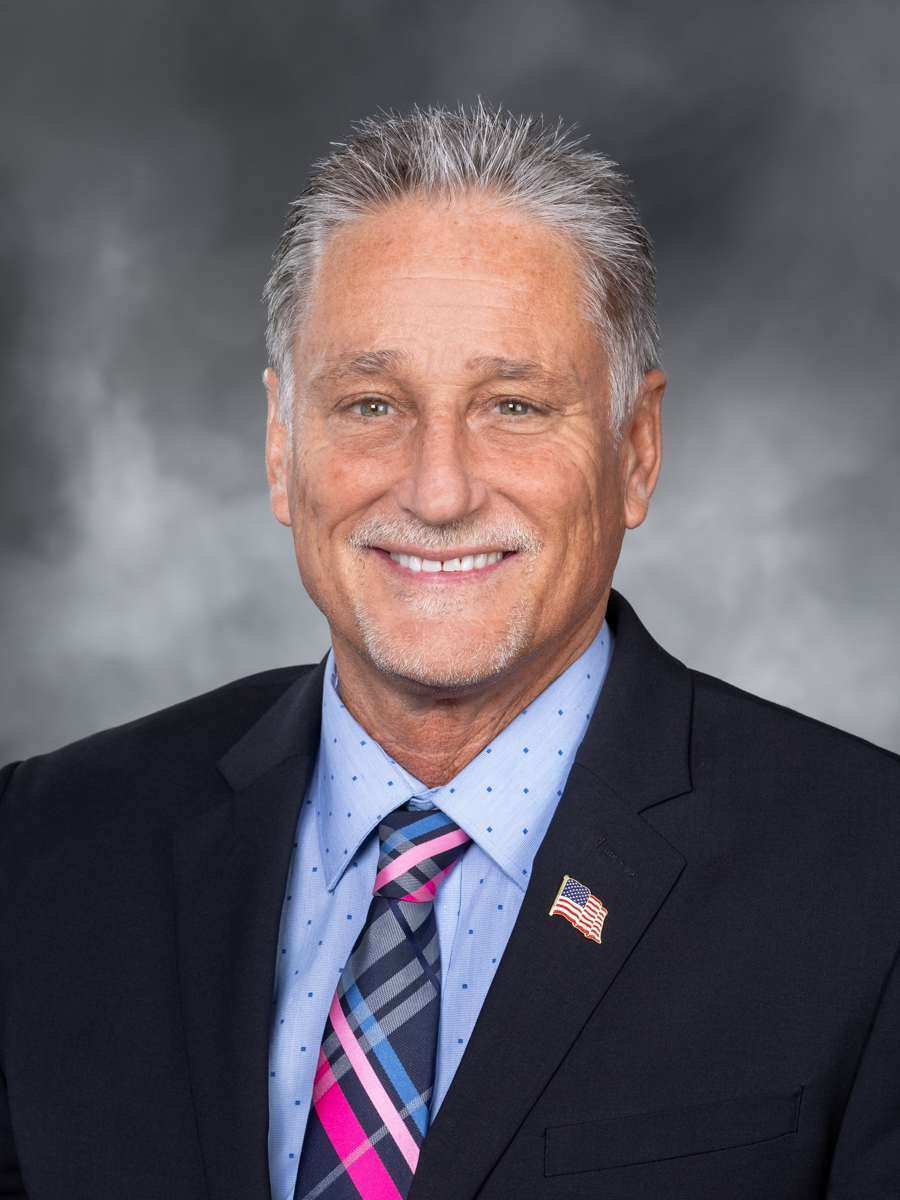
Jim McCune
16% support rate
Ranked legislators
10
5 support · 5 oppose
Key legislators

Who's moving criminal justice in Washington

Legislators moving criminal justice in Washington
Legislator Party Stance Support rate Votes
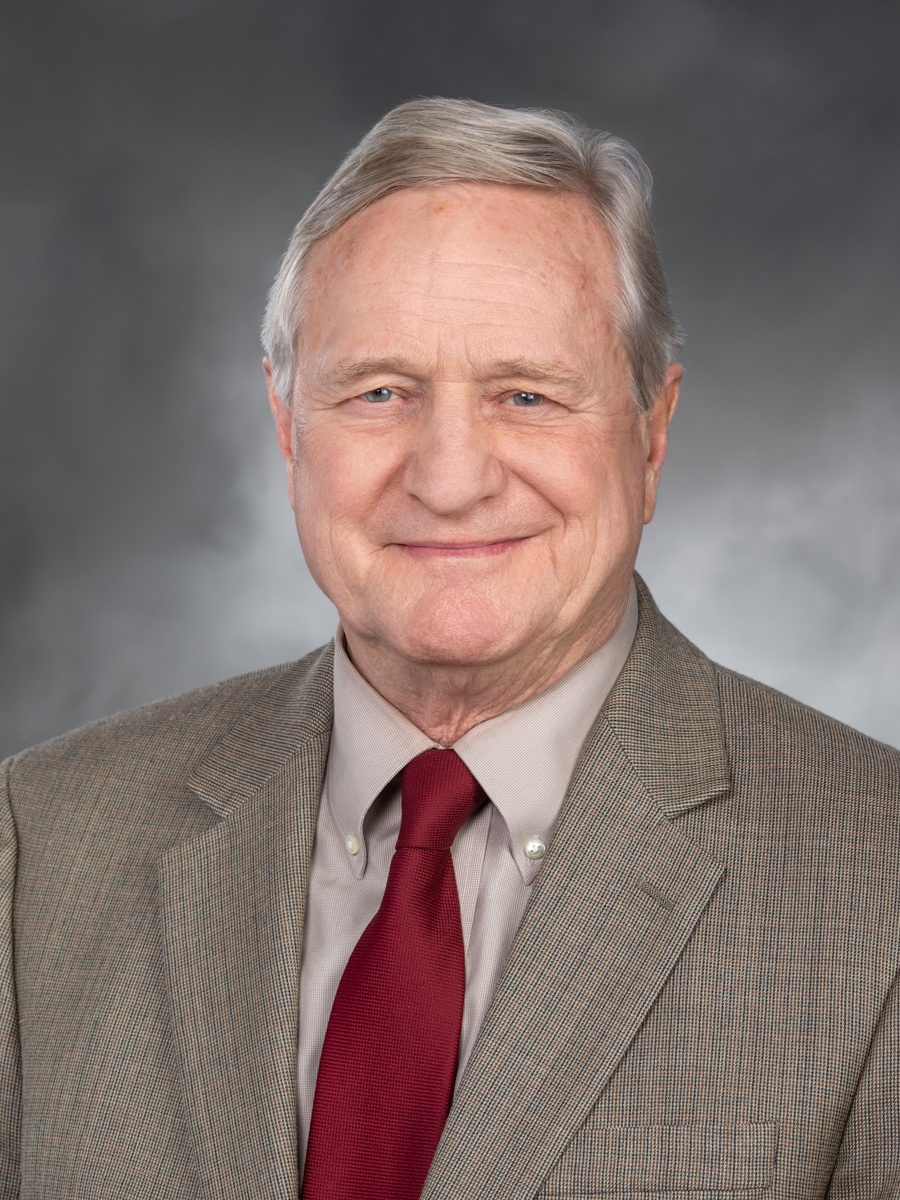
Steve Tharinger
Steve Tharinger House · District 24
D
Strong +
91% 99
Tina Orwall
Tina Orwall Senate · District 33
D
Strong +
90% 124
Annette Cleveland
Annette Cleveland Senate · District 49
D
Strong +
88% 125
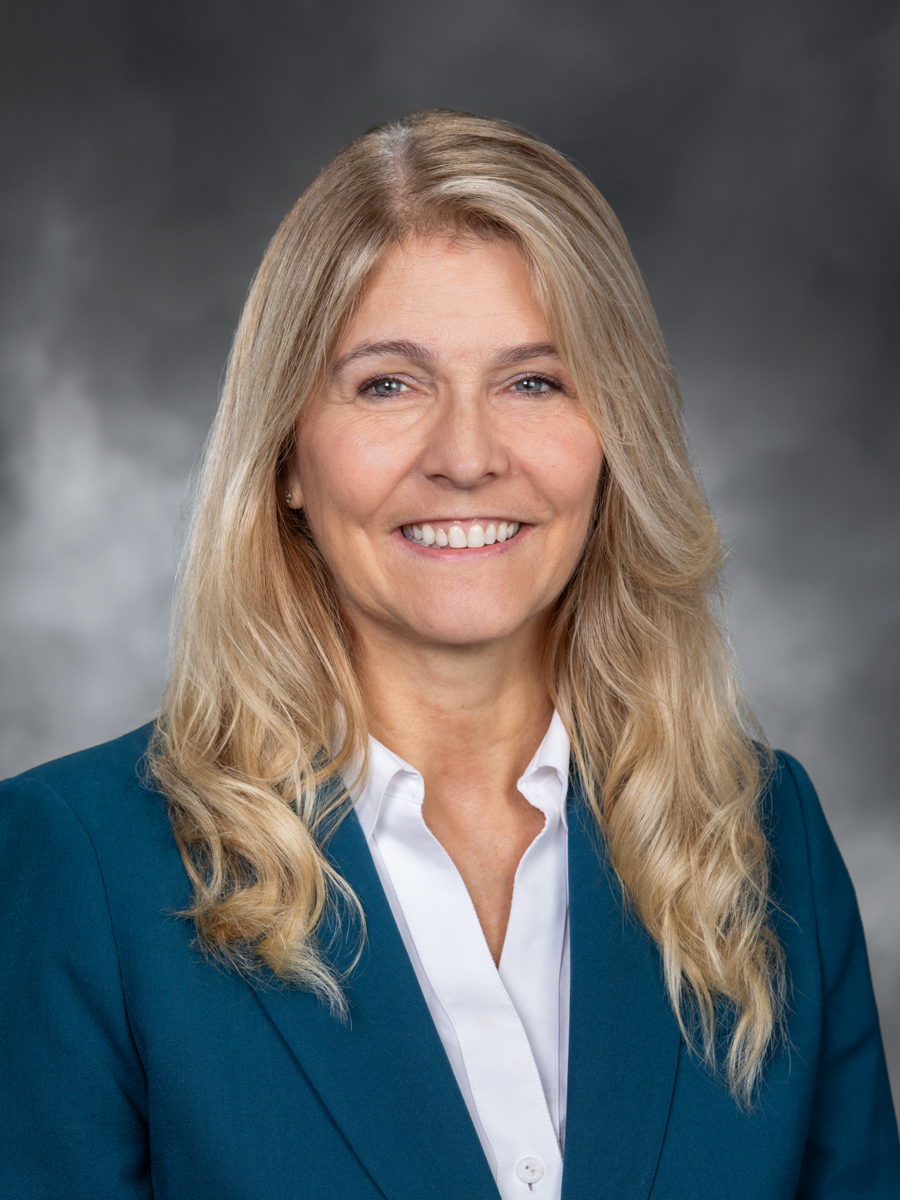
Jess Bateman
Jess Bateman Senate · District 22
D
Strong +
88% 125
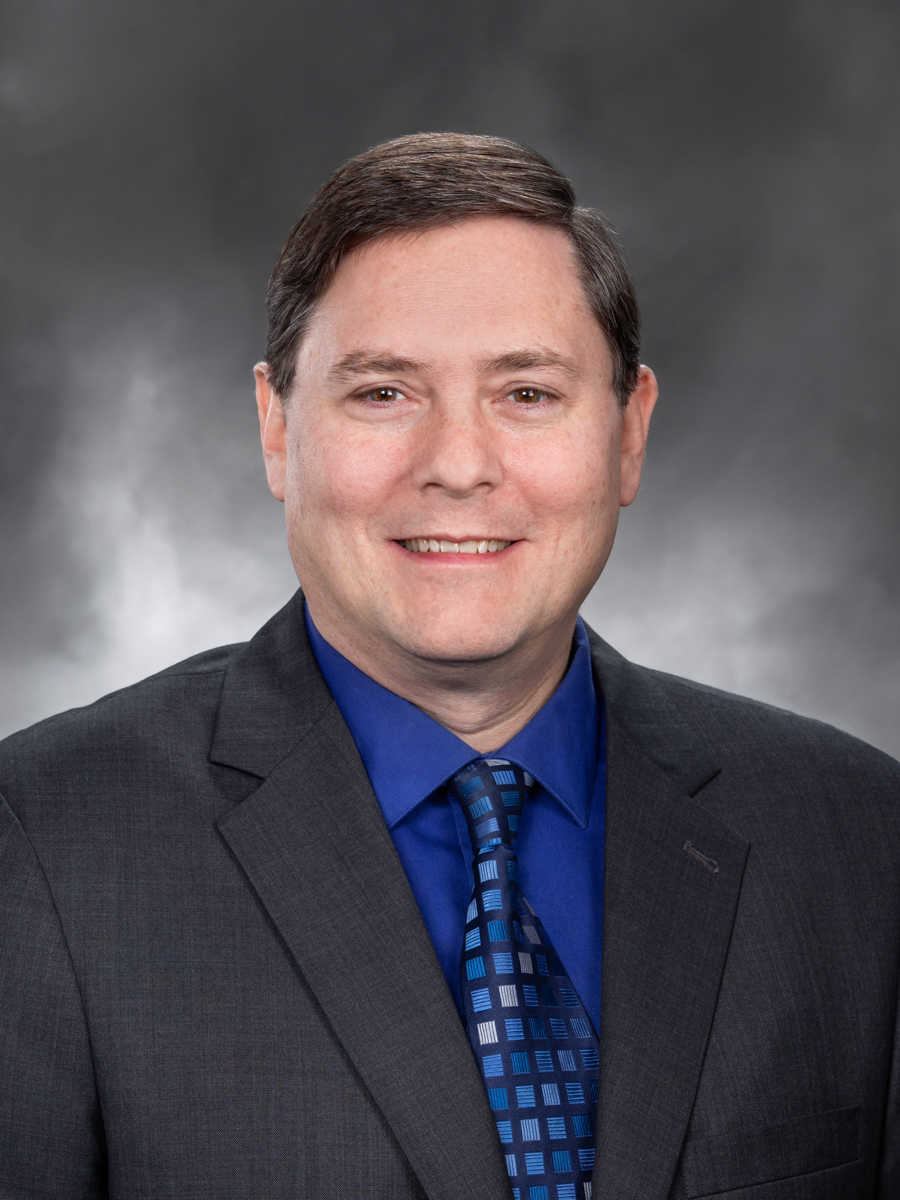
Derek Stanford
Derek Stanford Senate · District 1
D
Strong +
88% 125
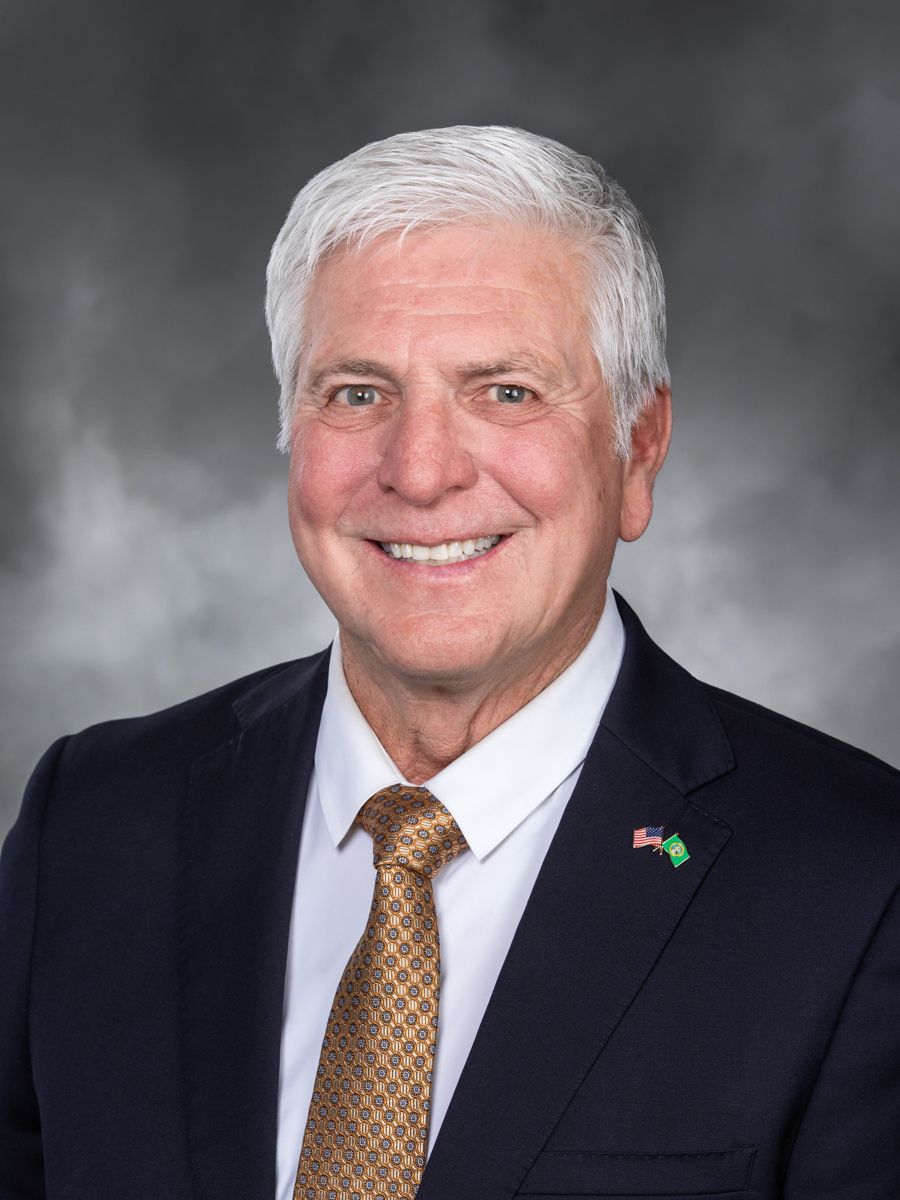
Jim McCune
Jim McCune Senate · District 2
R
Strong −
16% 125
Perry Dozier
Perry Dozier Senate · District 16
R
Strong −
17% 125
Leonard Christian
Leonard Christian Senate · District 4
R
Strong −
17% 125
Matt Boehnke
Matt Boehnke Senate · District 8
R
Strong −
17% 125
Jeff Wilson
Jeff Wilson Senate · District 19
R
Strong −
18% 121
Showing 11–20 of 72 bills

All criminal justice bills

in committee · Washington · House Feb 3, 2026

HB 2589: Addressing encampments at institutions of higher education.

HB 2589 would require advance notice (21 days) for any encampment on Washington state college campuses, limiting such requests to registered student organizations or recognized bargaining units seeking academic purposes. Campuses must approve or deny requests based on time, place, and manner to avoid disrupting education, and unauthorized encampments must be immediately dismantled with potential criminal trespass charges. Individuals violating the rules face removal, campus disciplinary action for students, and liability for all costs related to removal and property damage. The bill applies to all Washington institutions of higher education as defined by state law.
signed · Washington · Senate Mar 17, 2026

SB 6084: Clarifying the prohibition on voting more than once in an election.

SB 6084 clarifies that intentionally voting more than once in the same election - whether in Washington state or across state lines on the same election date - is a felony offense. It directly affects voters who attempt to cast ballots in multiple jurisdictions on the same day, regardless of ballot content or office. The bill defines "same election" strictly by date, not by ballot issues, and specifies that voters may still cast ballots in both a general election and a special election held on the same day. This amendment corrects a court interpretation to prevent confusion ahead of the 2026 elections.
Sub-Topics Courts Tags Elections
in committee · Washington · House Feb 4, 2026

HB 2310: Concerning criminal classification and penalties for sexually motivated assault in the fourth degree.

HB 2310 changes sentencing for certain fourth-degree assaults by elevating them to a class C felony when the assault is found to be sexually motivated and the perpetrator has two or more prior convictions for sex offenses within the past decade. It directly affects individuals who commit sexually motivated fourth-degree assaults and have prior adult convictions for offenses like rape, child molestation, or assault with sexual motivation. The bill adds a new provision requiring a "finding of sexual motivation" under existing law (RCW 9.94A.835) to trigger the felony classification, replacing prior domestic violence-based triggers for similar cases. This targets repeat offenders with a history of sex-related crimes, making the sentencing more severe for new sexually motivated assaults in these specific circumstances.
in committee · Washington · House Jan 23, 2026

HB 2643: Concerning the due process requirements and the procedures of a peace officer being placed on Brady and Giglio lists.

HB 2643 protects peace officers from disciplinary action solely based on being listed on prosecutor-maintained "Brady and Giglio lists" (which flag officers with potential impeachment evidence). It requires law enforcement agencies to base discipline on the underlying misconduct, not the list placement itself. The bill grants officers a due process right to challenge their listing in superior court, where evidence is reviewed confidentially under seal, with a preponderance-of-evidence standard. This ensures officers can contest their inclusion without public disclosure, while preserving prosecutors' legal duty to share impeachment evidence under Brady/Giglio.
signed · Washington · House Mar 24, 2026

HB 2532: Concerning the sale and distribution of nitrous oxide.

HB 2532 makes it a gross misdemeanor to sell, distribute, or give away nitrous oxide in containers like canisters or tanks (including flavored versions), except for specific exempt uses. The law specifically targets recreational nitrous oxide sales by criminalizing these transactions, with penalties including up to 364 days in jail. Key exemptions include licensed medical, dental, or veterinary use; nitrous oxide used as a food propellant; and industrial or automotive applications. The bill does not ban nitrous oxide itself but regulates its sale in consumer containers for non-exempt purposes.
Sub-Topics Corrections
in committee · Washington · Senate Jan 16, 2026

SB 6193: Concerning offenses involving unlawful possession of a firearm by a juvenile.

Washington State's SB 6193 amends laws governing firearm possession by juveniles, specifically targeting those under 18 who possess firearms after certain prior offenses. It defines unlawful possession of a firearm in the first degree for juveniles who have been adjudicated, convicted, or found not guilty by reason of insanity for offenses like domestic violence or protection order violations (as listed in the bill), making it a class B felony. Second-degree possession applies when juveniles possess firearms without meeting first-degree criteria, such as after certain misdemeanor convictions, and carries a class C felony penalty. The bill includes exceptions for pardons, rehabilitation, or if a court record of conviction cannot be found, but does not override existing laws allowing firearm possession for juveniles under specific circumstances.
in committee · Washington · Senate Feb 4, 2026

SB 6339: Requiring a less restrictive alternative placement to be owned and operated by the same individuals.

SB 6339 requires courts to confirm that any "less restrictive alternative" placement (like community-based treatment) for individuals released from secure facilities must be owned and operated by the same entity providing the services. It mandates specific conditions for such releases, including electronic monitoring with real-time tracking, 500-foot residence restrictions near schools/child care, and court verification that the placement provider owns the residence. The bill also requires adherence to "fair share principles" to prevent disproportionate placement of individuals in specific counties, with the department documenting placement decisions and notifying counties of out-of-county releases. This directly affects courts, the Department of Corrections, and service providers arranging community-based supervision under Washington’s conditional release law (RCW 71.09.096).
Sub-Topics Corrections Courts
in committee · Washington · House Jan 12, 2026

HB 2393: Concerning correctional facility liability for inmate injuries resulting from voluntary controlled substance use, when lawful intake and medical care requirements are met.

This bill limits state and local government liability for injuries to inmates caused by their voluntary use of controlled substances under specific conditions. It applies when inmates were lawfully searched upon admission (with any substances seized), and the facility met medical care requirements. However, liability still applies if the facility or government provided the substance or failed to provide medical care when they knew an inmate needed it. The law affects correctional facilities (jails, prisons) and the government entities that operate them, changing how liability is determined in such cases.
in committee · Washington · Senate Jan 13, 2026

SB 6083: Discouraging violent protests at postsecondary institutions by amending a court's ability to waive restitution owed to postsecondary institutions.

SB 6083 modifies Washington state law to prevent courts from waiving restitution payments owed to postsecondary institutions (like public universities) when offenders claim inability to pay due to financial hardship. Specifically, it removes an exception allowing courts to relieve offenders of restitution obligations to schools if they are deemed indigent, ensuring such payments must be enforced regardless of the offender's financial situation. This bill directly affects individuals convicted of violent protests causing property damage at colleges or universities, requiring them to pay restitution for damages. The change applies to court-ordered restitution for criminal offenses resulting in harm to postsecondary institution property, as defined under RCW 28B.10.016. It does not impact restitution for other victims or peaceful protest-related cases.
Sub-Topics Courts Victims' Rights
in committee · Washington · House Feb 4, 2026

HB 2146: Combating sexual exploitation of minors.

HB 2146 defines and strengthens criminal penalties for sexual exploitation of minors in Washington State. It makes it a crime for anyone to force a minor into sexually explicit conduct for photos or live performances (section 1a), aid or invite minors into such situations (1b), or for parents/guardians to permit it (1c). The bill upgrades this offense to a class B felony under state law, increasing penalties. It directly affects minors who may be exploited, perpetrators of such acts, and caregivers who fail to protect minors. The law focuses on specific, concrete prohibitions rather than broader policy changes.
Sub-Topics Human Trafficking
Showing 11 to 20 of 72 bills
Previous 1 2 3 8 Next