Issue · Criminal Justice

Criminal Justice

Every criminal justice bill, vote, and legislator stance in Washington, automatically classified by Maddy, our AI policy reader.

Total bills
366
2025-2026 Regular Session
Top supporter
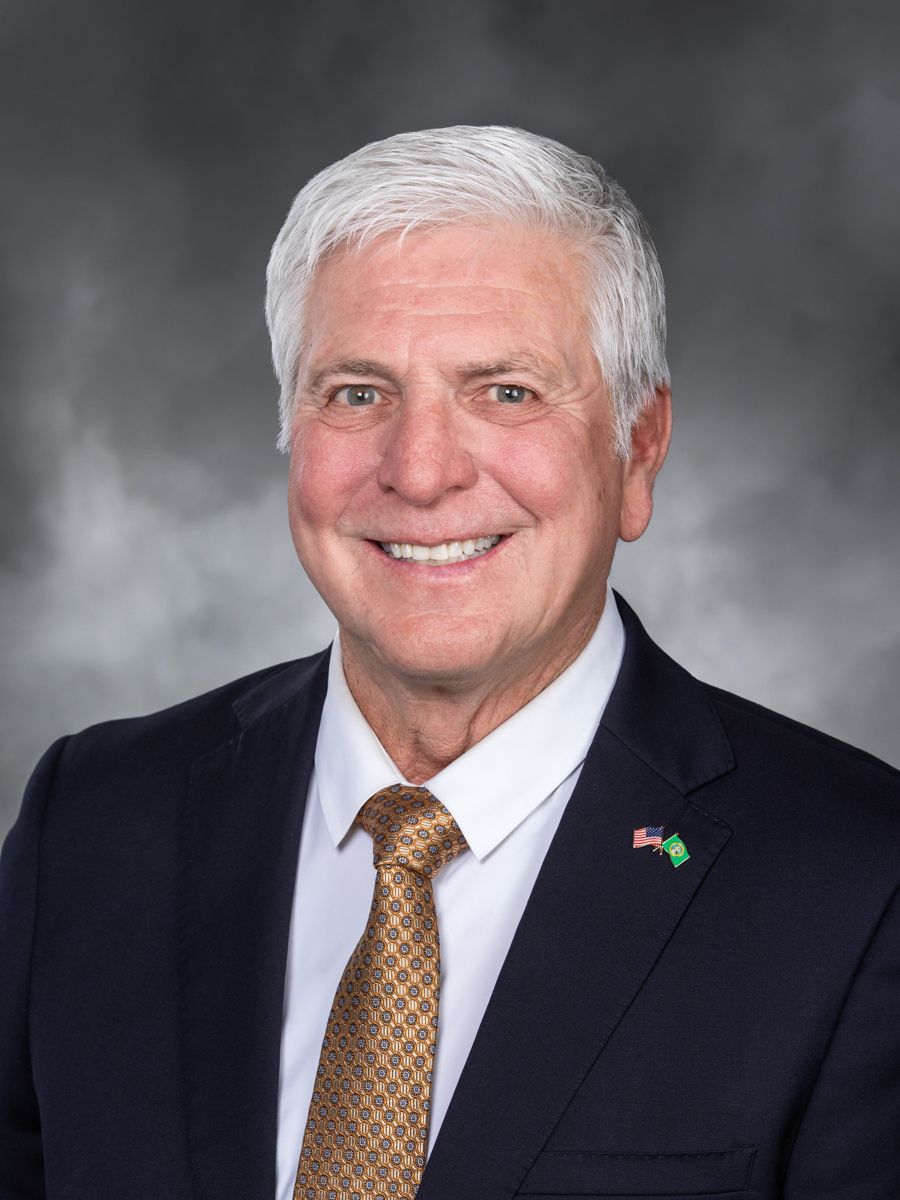
Steve Tharinger
91% support rate
Top opponent
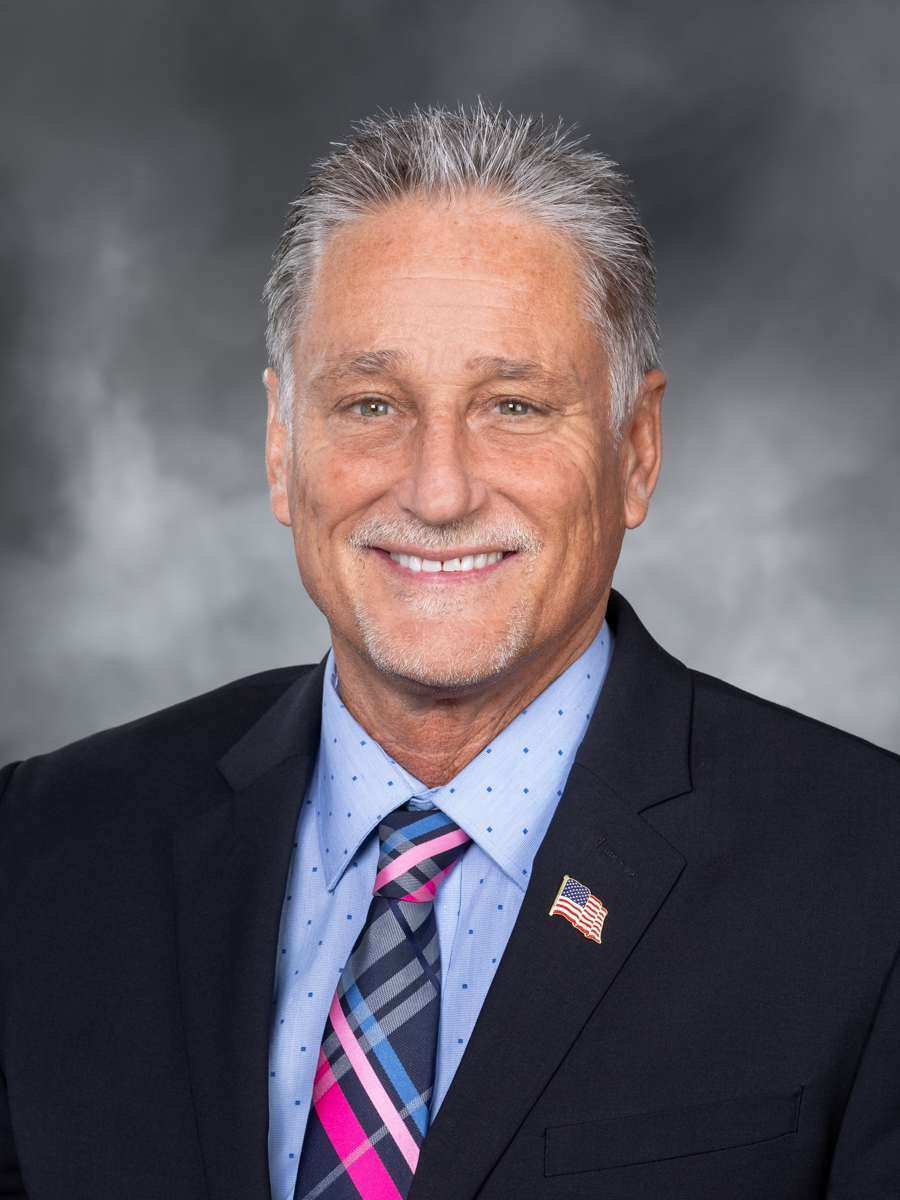
Jim McCune
16% support rate
Ranked legislators
10
5 support · 5 oppose
Key legislators

Who's moving criminal justice in Washington

Legislators moving criminal justice in Washington
Legislator Party Stance Support rate Votes
Steve Tharinger
Steve Tharinger House · District 24
D
Strong +
91% 99
Tina Orwall
Tina Orwall Senate · District 33
D
Strong +
90% 124
Annette Cleveland
Annette Cleveland Senate · District 49
D
Strong +
88% 125
Jess Bateman
Jess Bateman Senate · District 22
D
Strong +
88% 125
Derek Stanford
Derek Stanford Senate · District 1
D
Strong +
88% 125
Jim McCune
Jim McCune Senate · District 2
R
Strong −
16% 125
Perry Dozier
Perry Dozier Senate · District 16
R
Strong −
17% 125
Leonard Christian
Leonard Christian Senate · District 4
R
Strong −
17% 125
Matt Boehnke
Matt Boehnke Senate · District 8
R
Strong −
17% 125
Jeff Wilson
Jeff Wilson Senate · District 19
R
Strong −
18% 121
Showing 111–120 of 366 bills

All criminal justice bills

in committee · Washington · Senate Jan 12, 2026

SB 5854: Modifying procedures for releasing sexually violent predators to less restrictive alternative placements.

SB 5854 modifies Washington state procedures for releasing sexually violent predators from secure facilities to community-based treatment settings. It requires courts to consider "fair share principles" before approving such releases, meaning counties must have adequate local placement options proportional to their population of committed individuals. The bill also gives counties the authority to reject placements from other counties if the proposed location violates these fair share requirements. This applies to individuals committed under Washington’s sexually violent predator laws and aims to balance the geographic burden of community placements. The bill does not change release criteria for individuals but alters the administrative process for where they may be placed.
in committee · Washington · Senate Jan 12, 2026

SB 5843: Establishing penalties and protections against harassment of initiative and referendum signature gatherers.

SB 5843 strengthens protections for people who collect signatures for voter initiatives and referendums by making harassment against them a more serious crime. The bill amends Washington’s harassment law to explicitly include signature gatherers under the definition of "election official," meaning threats or intimidation directed at them can now trigger felony charges if the threats involve violence, prior harassment, or targeting during official duties. Penalties increase from a gross misdemeanor to a class C felony for certain threats, such as those involving violence or targeting election workers. The law also ensures targeted individuals and their household members qualify for address confidentiality programs.
in committee · Washington · House Jan 20, 2026

HB 2102: Concerning legal financial obligations.

HB 2102 eliminates certain unenforceable legal financial obligations (LFOs) for offenders in Washington State, including costs, fees, and accrued interest on restitution or other debts. It automatically voids these debts after the bill’s effective date, prohibits courts from accepting payments for them, and allows judges to waive uncollectible portions of LFOs upon offender request. The bill also stops interest accrual on criminal fines and fees as of June 7, 2018, and updates collection procedures for existing debts. This directly affects individuals with outstanding criminal or civil LFOs, particularly those deemed uncollectible. The law clarifies that courts may not enforce or collect these specific debts while preserving mechanisms for individual court-based relief.
Sub-Topics Courts Victims' Rights
in committee · Washington · House Jan 22, 2026

HB 2173: Concerning the use of face coverings by law enforcement officers.

HB 2173 prohibits Washington law enforcement officers from wearing facial coverings (like balaclavas or ski masks) during routine public interactions, while allowing exceptions for active undercover operations and protective gear used by specialized units like SWAT teams. The bill defines "facial covering" to exclude medical masks, helmets, and clear face shields. It also establishes that individuals detained in violation can sue officers for financial compensation, attorney fees, or other court-ordered remedies. The law applies to all "peace officers" as defined under state law during standard public duties.
Sub-Topics Courts Law Enforcement
signed · Washington · Senate Mar 18, 2026

SB 5880: Concerning toxicology testing by certified or accredited laboratories.

SB 5880 requires that toxicology testing for alcohol or drugs in DUI cases must be conducted by laboratories certified under international ISO/IEC 17025 standards for forensic testing, directly affecting drivers facing DUI charges and law enforcement. It specifies strict protocols for admissibility in court, including detailed requirements for breath test equipment calibration, sample collection procedures, and blood draw qualifications (limited to specific licensed medical professionals). The bill also mandates that any additional tests requested by the accused must use generally accepted methods, while maintaining that basic proof of proper testing procedures must be shown for results to be admitted. The law includes an expiration date and applies to both blood and breath testing under Washington’s DUI statutes.
Sub-Topics Courts Law Enforcement
in committee · Washington · Senate Jan 12, 2026

SB 5846: Providing community notification and protection for less restrictive alternative placements for sex offenders in the community.

SB 5846 requires Washington's Department of Social and Health Services to provide written notice to local law enforcement, community members, and specified victims when a sex offender is placed in a less restrictive community setting (like a home or apartment). The bill mandates that notices include the offender's specific residence address and requires courts to impose conditions such as electronic monitoring with real-time tracking and a minimum two-mile distance restriction from schools and childcare facilities. It directly affects sex offenders on conditional release, local police/sheriffs, and residents in the offender's new neighborhood, while also giving victims and witnesses the option to receive notifications. The law aims to balance community safety with less restrictive placements by establishing clear notification protocols and safety conditions.
in committee · Washington · House Jan 12, 2026

HB 2162: Establishing a public interest law grant program and a business and occupation tax credit for approved contributions to the program account.

HB 2162 creates a program to help new lawyers working as prosecutors or public defenders pay student loans by offering annual grants of up to $10,000 per year. It funds these grants through a tax credit for law firms that contribute to a dedicated account, allowing firms to claim a business and occupation tax credit equal to their contribution (up to $20,000 annually). The law requires the program to begin by 2027, with grants awarded based on available funds, and mandates annual reports on participation and spending. This bill directly affects public defense/prosecution lawyers and participating law firms, aiming to improve recruitment and retention in these roles through financial incentives. The program expires December 31, 2038.
Sub-Topics Tax Credits
in committee · Washington · Senate Jan 26, 2026

SB 5934: Reducing litigation costs by removing barriers to postconviction DNA testing.

SB 5934 would expand access to postconviction DNA testing for people convicted of felonies in Washington state who claim innocence. It establishes a presumption that courts must grant DNA testing requests when the results could show innocence, shifting the burden to the state to prove testing wouldn't demonstrate innocence with "clear and convincing evidence." The bill also requires courts to grant requests if the state doesn't oppose them within 30 days and clarifies that preserved biological evidence must be kept per state law. This aims to reduce unnecessary court costs and litigation while improving the accuracy of criminal convictions.
Sub-Topics Courts
passed · Washington · Senate Mar 12, 2026

SB 5912: Reinstating the indigent defense task force.

This bill reinstates a task force to study Washington's system for providing legal representation to people who cannot afford a lawyer. The task force, composed of judges, defense attorneys, county officials, and community members with lived experience, must review regional delivery models, staffing levels, funding, and data collection by January 2028. It will evaluate barriers to meeting legal representation standards and recommend improvements to ensure effective, timely, and sustainable services statewide. The task force expires June 30, 2029.
in committee · Washington · Senate Jan 29, 2026

SB 5945: Modifying the definition of persistent offender to exclude convictions for offenses committed by someone under the age of 18 and providing for resentencing.

SB 5945 modifies Washington's "persistent offender" definition to exclude convictions for crimes committed before age 18, directly affecting individuals sentenced as adults for juvenile offenses. The bill requires courts to consider resentencing these individuals to align with current constitutional standards established by U.S. Supreme Court rulings (Miller v. Alabama) and Washington state court decisions (State v. Bassett). Key provisions amend sentencing laws to ensure juvenile offenses no longer count toward "persistent offender" status, reflecting scientific understanding that youth have greater potential for rehabilitation. This change applies to people currently incarcerated for such cases, correcting a legal inconsistency where juvenile offenses were still used to impose harsh sentences despite court rulings.
Showing 111 to 120 of 366 bills
Previous 1 11 12 13 37 Next