Issue · Budget & Taxes

Budget & Taxes (State Budget)

Every budget & taxes bill, vote, and legislator stance in Washington, automatically classified by Maddy, our AI policy reader.

Total bills
81
2025-2026 Regular Session
Top supporter
Joel McEntire
77% support rate
Top opponent
Melanie Morgan
14% support rate
Ranked legislators
10
5 support · 5 oppose
Key legislators

Who's moving state budget in Washington

Legislators moving state budget in Washington
Legislator Party Stance Support rate Votes
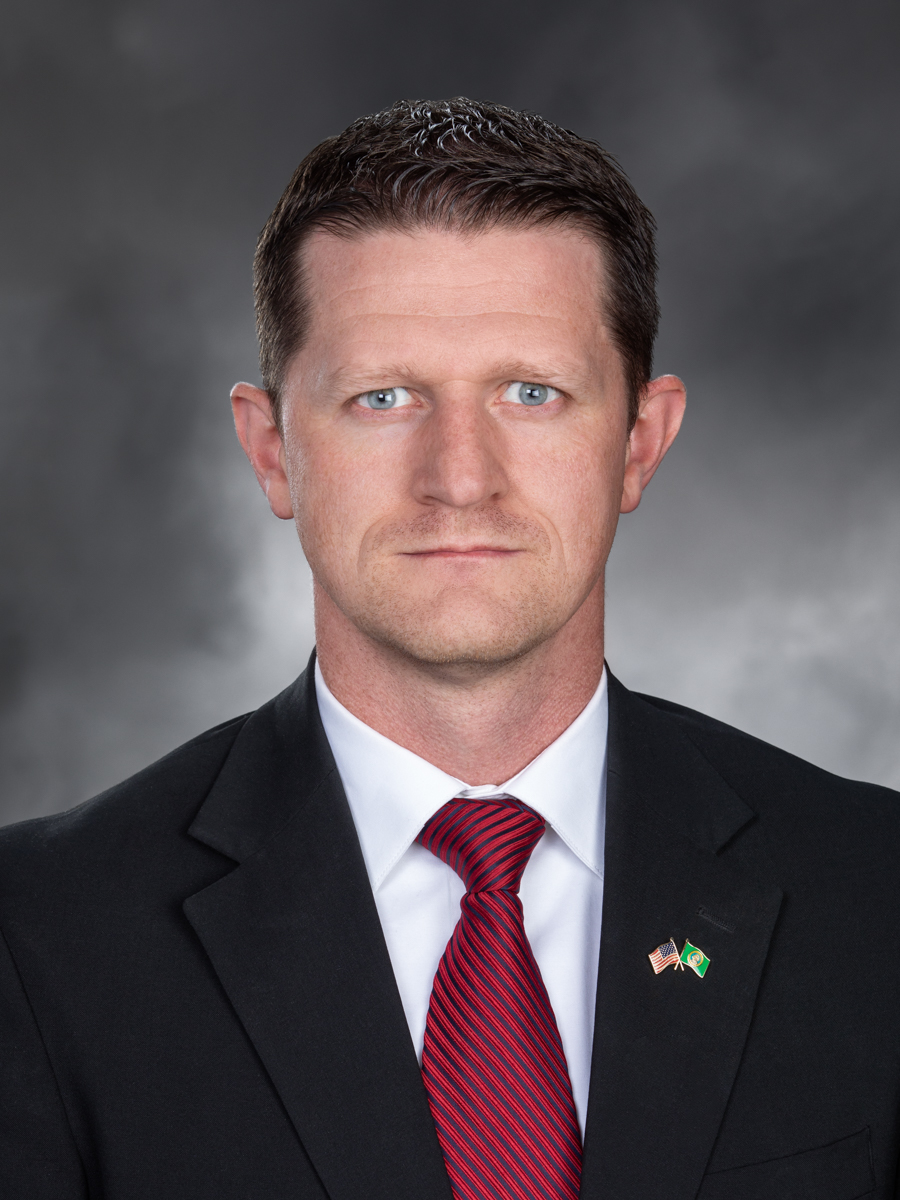
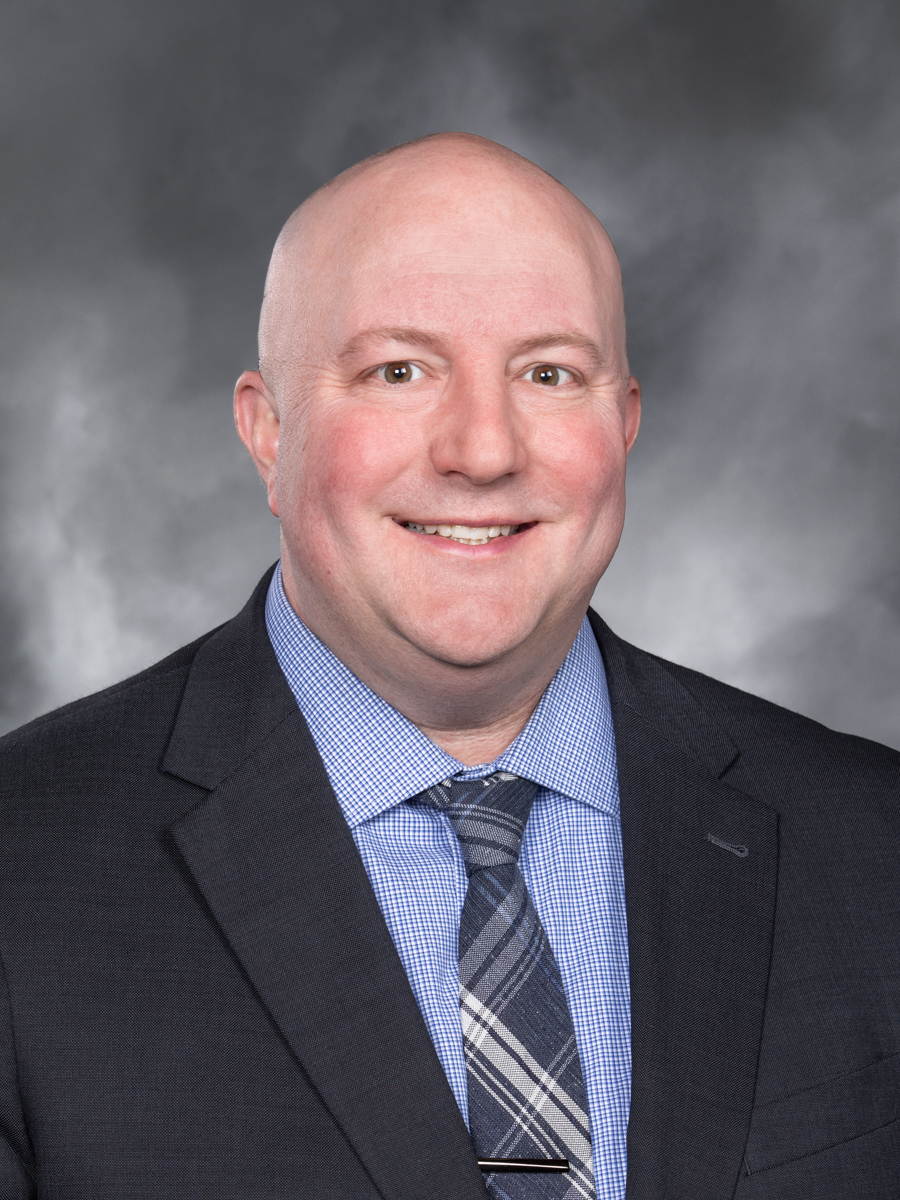
Joel McEntire
Joel McEntire House · District 19
R
Support
77% 31
Ed Orcutt
Ed Orcutt House · District 20
R
Support
75% 32
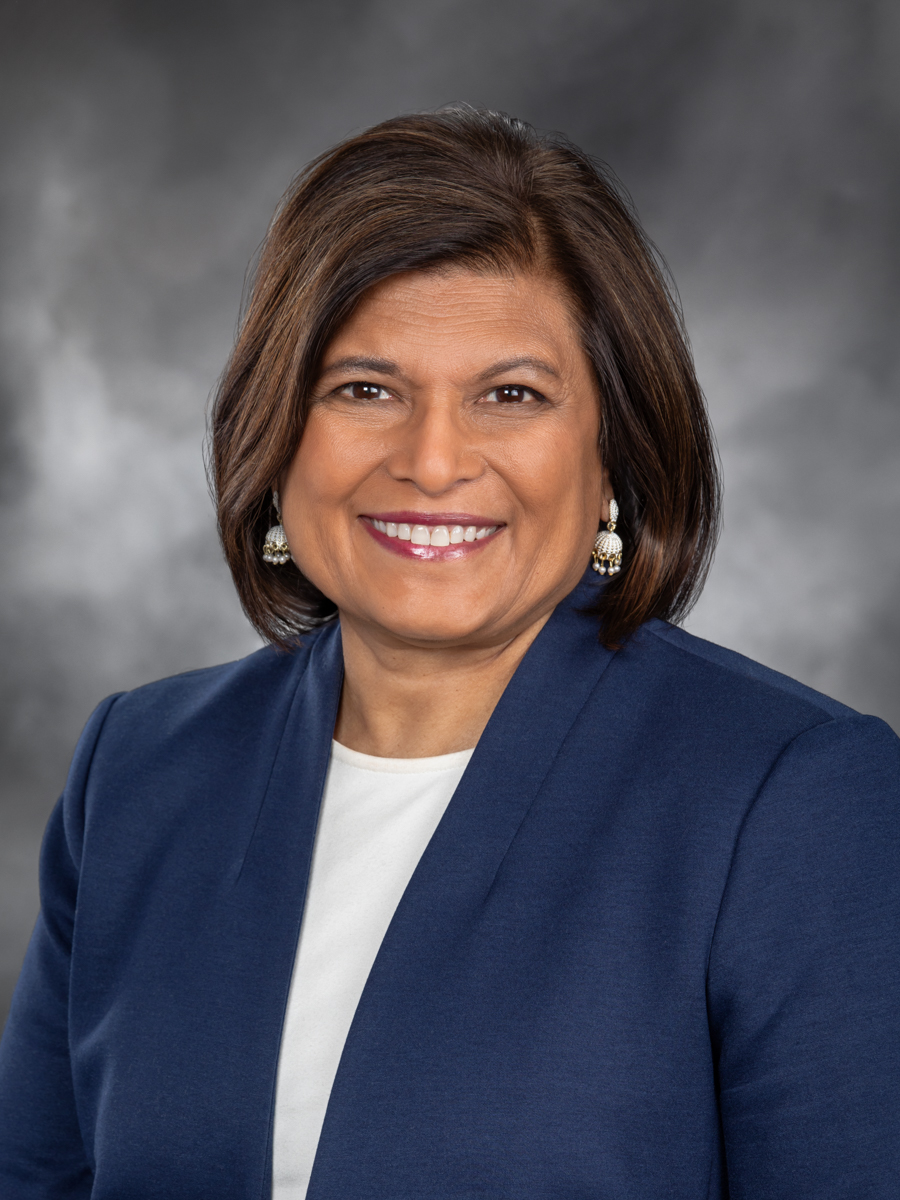
Vandana Slatter
Vandana Slatter Senate · District 48
D
Support
73% 15
Adison Richards
Adison Richards House · District 26
D
Support
73% 33
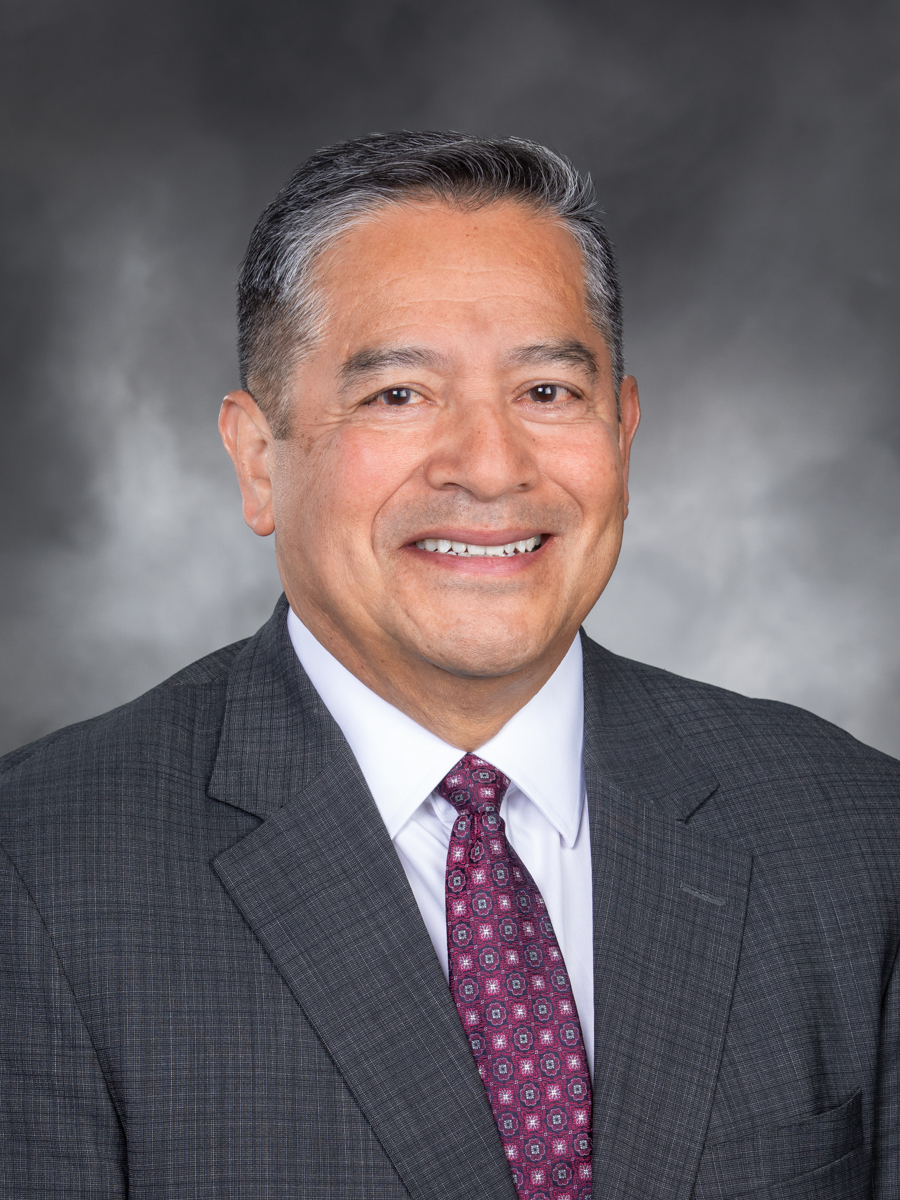
Alex Ybarra
Alex Ybarra House · District 13
R
Support
73% 33
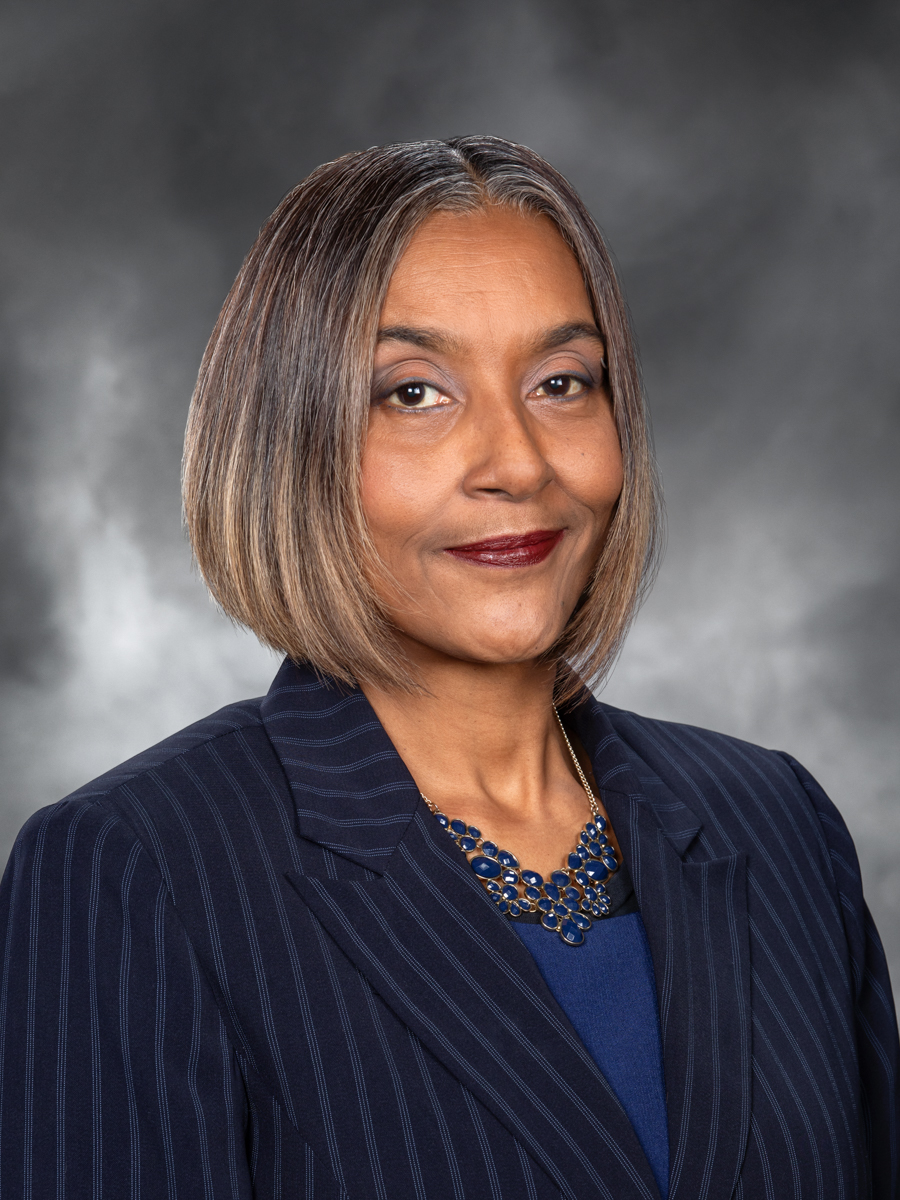
Melanie Morgan
Melanie Morgan House · District 29
D
Strong −
14% 29
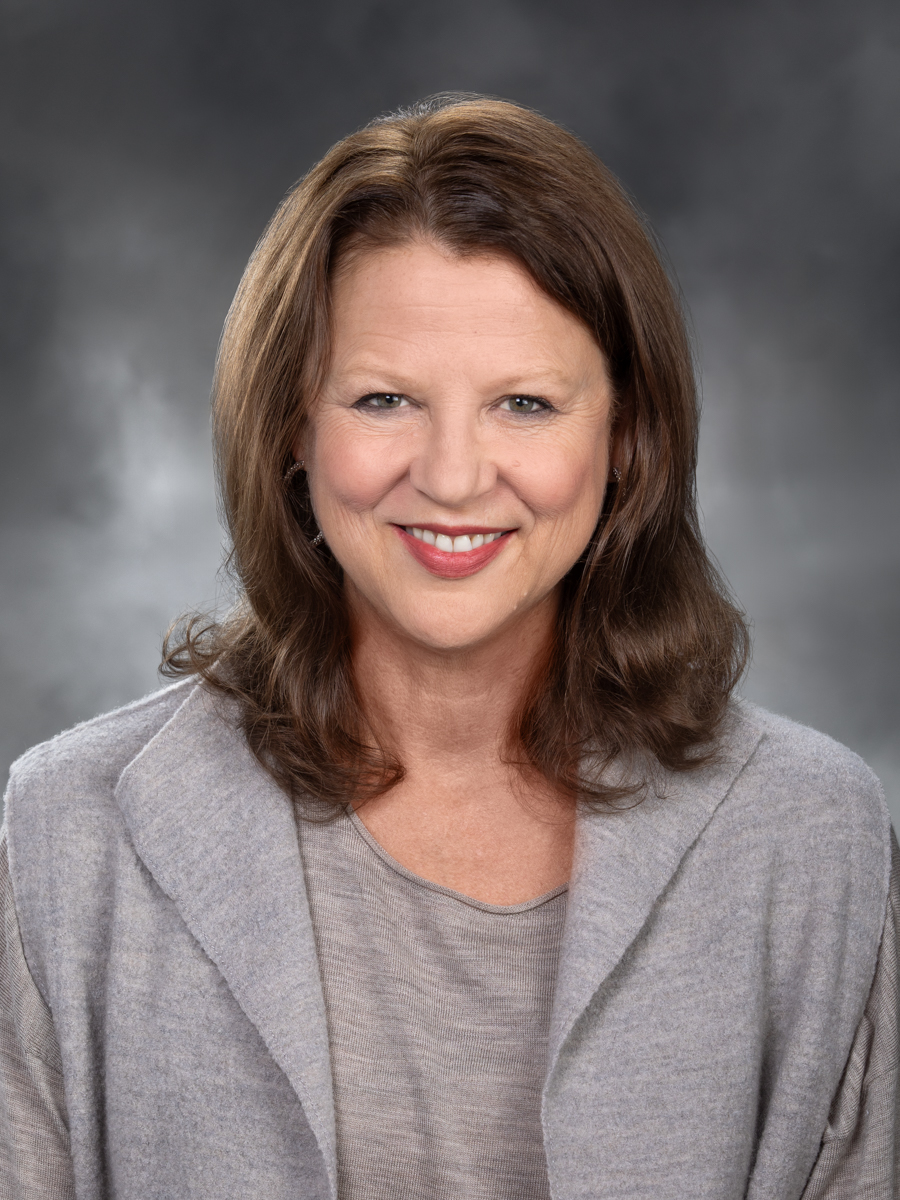
Amy Walen
Amy Walen House · District 48
D
Strong −
16% 31
Shaun Scott
Shaun Scott House · District 43
D
Oppose
21% 33
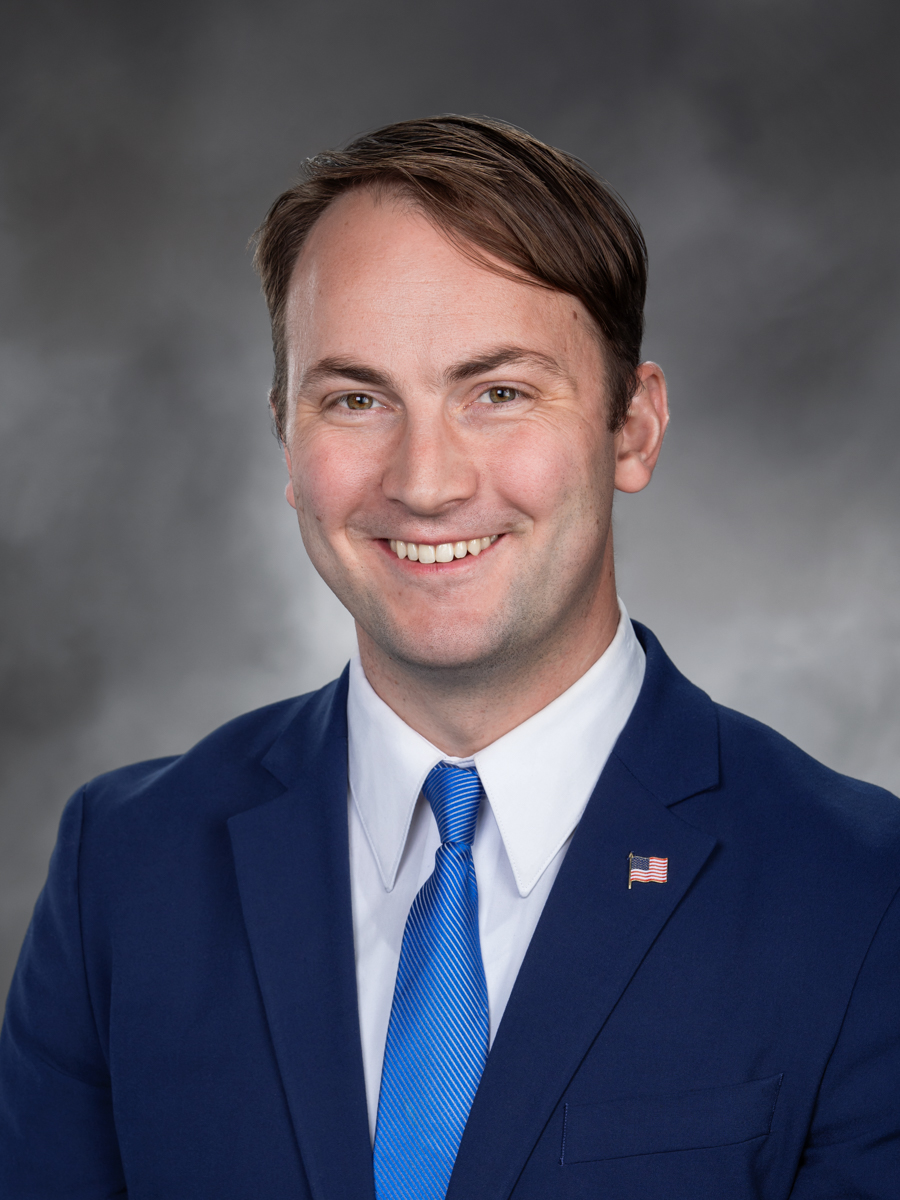
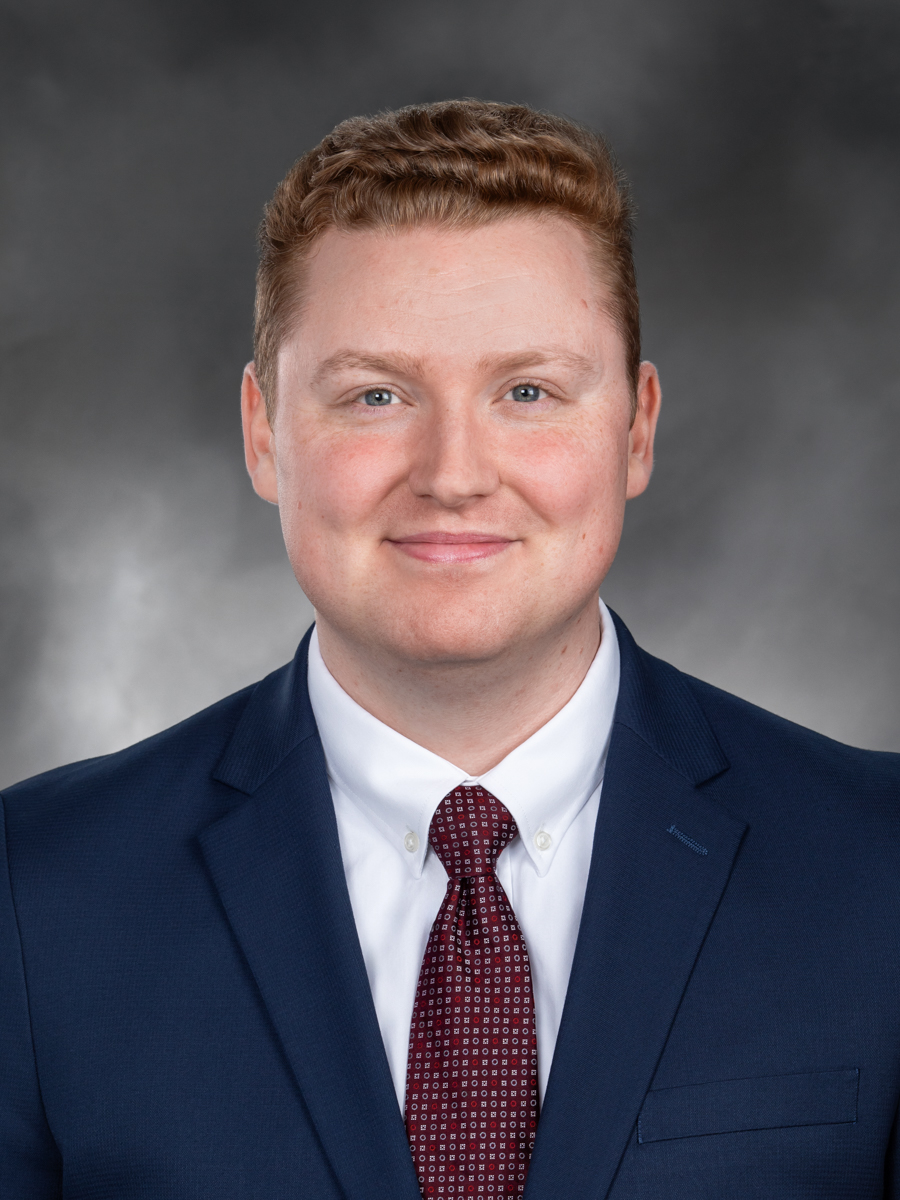
Zach Hall
Zach Hall House · District 5
D
Oppose
22% 18
Dan Bronoske
Dan Bronoske House · District 28
D
Oppose
24% 33
Showing 71–80 of 81 bills

All budget & taxes bills

in committee · Washington · House Jan 12, 2026

HB 1454: Funding multijurisdictional drug task forces.

HB 1454 appropriates $7 million from the state general fund for the 2025-2026 fiscal year to create a grant program for multijurisdictional drug task forces in Washington State. The Washington Association of Sheriffs and Police Chiefs will administer the grants, requiring recipients to follow peer review and reporting standards identical to those used for Edward Byrne grant recipients as of January 1, 2023. The program allows the administering association to retain up to 5% of the funds for administrative costs. This funding directly supports local law enforcement task forces tackling drug-related crimes across multiple jurisdictions.
Sub-Topics State Budget
in committee · Washington · Senate Jan 12, 2026

SB 5362: Concerning victims of crime act funding.

SB 5362 creates a new state Victims of Crime Act account in Washington's treasury to stabilize funding for victim services. Starting in fiscal year 2026, it mandates annual state transfers from the general fund: $50 million yearly for 2026-2029, increasing to $60 million for 2030-2033, then $70 million annually thereafter. Funds must supplement (not replace) existing victim services funding, cannot cover capital projects, and may be used to match federal funds. The Office of Crime Victims Advocacy must report on service needs and funding levels every five years, with a first report due in 2039. This bill directly affects county-level victim service programs across Washington state.
in committee · Washington · House Jan 12, 2026

HB 2027: Increasing the supply of affordable and workforce housing.

HB 2027 increases real estate transfer taxes on property sales above specific thresholds to fund affordable housing programs. The tax applies at 1.1% for sales under $500,000, 1.28% for $500,000-$1.5 million, 2.75% for $1.5-$3 million, and 3% for sales over $3 million. Revenue from these taxes will support state housing programs targeting low- and middle-income households, including seniors, veterans, farmworkers, and others facing housing insecurity. The bill aims to build over 500,000 new affordable homes for residents earning under 50% of area median income by addressing supply shortages.
in committee · Washington · House Jan 12, 2026

HB 2026: Creating the fairness in education funding act.

HB 2026, the "Fairness in Education Funding Act," aims to create equitable school funding by replacing local levies (which disproportionately benefit wealthier districts) with uniform state-funded allocations. The bill sets new minimum state salary levels for school staff that will apply equally to all public school districts, charter schools, and state-tribal education compact schools starting in the 2026-27 school year. Specifically, it establishes baseline salaries of $100,033 (adjusted for inflation) for certificated instructional staff, $179,857 for certificated administrative staff, and $71,082 for classified staff. Regional adjustments to these salaries will phase out after the 2025-26 school year, ensuring all districts receive identical state funding for staff compensation regardless of location or local wealth.
in committee · Washington · House Jan 12, 2026

HB 1120: Determining state allocations for school staff salaries.

HB 1120 sets new minimum state salary allocation targets for school staff in Washington's basic education program, directly affecting all public school districts. It requires the state to gradually increase minimum salary allocations to reach $67,325 (adjusted for inflation from 2023-24) for classified staff (e.g., office, support roles) starting in the 2025-26 school year, with further increases to $99,164 for classified administrative staff by 2027-28. The bill mandates annual inflation adjustments and regional cost-of-living adjustments based on school district housing values, as specified in the annual budget. These changes aim to align state funding with actual staffing costs, replacing previous formulas that expired after the 2017-18 school year. The bill is currently pending in the Appropriations Committee after being prefaced in December 2024.
in committee · Washington · House Jan 12, 2026

HB 1839: Increasing the investments in our workforce by amending the advanced computing surcharge.

HB 1839 imposes a 1.22% surcharge on select advanced computing businesses with global revenue exceeding $25 billion annually, targeting large tech firms engaged in software, cloud services, or platforms like social media. The tax applies to affiliated groups (e.g., parent companies and subsidiaries), with exemptions for hospitals and healthcare providers. Revenue generated will fund workforce programs, including expanding the Washington College Grant for families earning up to 70% of median income, increasing STEM teacher training, growing in-state college seats, and supporting student work-study in STEM fields. The bill aims to address a projected 600,000-worker shortfall by directing funds to education and training aligned with high-demand sectors like technology and healthcare.
in committee · Washington · House Jan 12, 2026

HB 1338: Concerning school operating costs.

HB 1338 revises Washington state's formula for distributing basic education funding to school districts. It establishes specific per-pupil funding levels based on "prototypical" school models (e.g., 600 students for high schools, 432 for middle schools, 400 for elementary schools), setting minimum class size requirements (like 17 students per teacher in K-3) and staff ratios for roles including teachers, librarians, paraeducators, and support staff. The bill mandates transparency by requiring the superintendent to publish per-pupil funding data online and school districts to link to it on their websites. This directly affects all public school districts in Washington, determining how state funds are allocated for core instructional programs and operational costs.
in committee · Washington · House Jan 12, 2026

HB 2084: Increasing funding for K-12, health care, and public safety by repealing or modifying tax preferences for certain industries and goods.

House Bill 2084 seeks to increase state funding for K-12 education, health care, and public safety by modifying certain tax preferences. The bill repeals an existing tax exclusion, making sales of precious metal bullion and monetized bullion subject to state taxes. Additionally, it clarifies that businesses operating self-service storage facilities are subject to the state's business and occupation (B&O) tax for renting or leasing individual storage spaces. These changes aim to generate revenue for the specified public services.
in committee · Washington · House Jan 12, 2026

HB 1808: Creating an affordable homeownership revolving loan fund program.

HB 1808 creates a state-funded revolving loan program to support permanently affordable homeownership for low-income households. The program provides loans (up to 50% of project costs) to nonprofit developers building housing that remains affordable for at least 99 years through long-term restrictions on resale and ownership. Loans carry interest rates between 1% and 2.5%, with repayments recycled into the fund to finance new projects. This directly affects low-income homebuyers (defined as households earning ≤80% of local median income) and nonprofit developers who build housing meeting specific affordability standards.
in committee · Washington · House Jan 12, 2026

HB 1569: Increasing tax exemption transparency and accountability.

HB 1569 requires Washington state to include tax exemptions and preferences in the regular biennial budget process, ending their automatic continuation without legislative review. The bill mandates that all tax exemptions without expiration dates must be reviewed, assigned performance measures, and reauthorized every two years or expire, with a maximum 10-year term for new exemptions. It also requires the Department of Revenue to estimate the annual revenue impact of each exemption and include these details in the budget. This affects all taxpayers by ensuring tax preferences are transparently evaluated for their revenue impact, rather than reducing state funds for services like education without oversight.
Showing 71 to 80 of 81 bills
Previous 1 7 8 9 Next