Issue · Budget & Taxes

Budget & Taxes (Business Taxes)

Every budget & taxes bill, vote, and legislator stance in Washington, automatically classified by Maddy, our AI policy reader.

Total bills
103
2025-2026 Regular Session
Top supporter
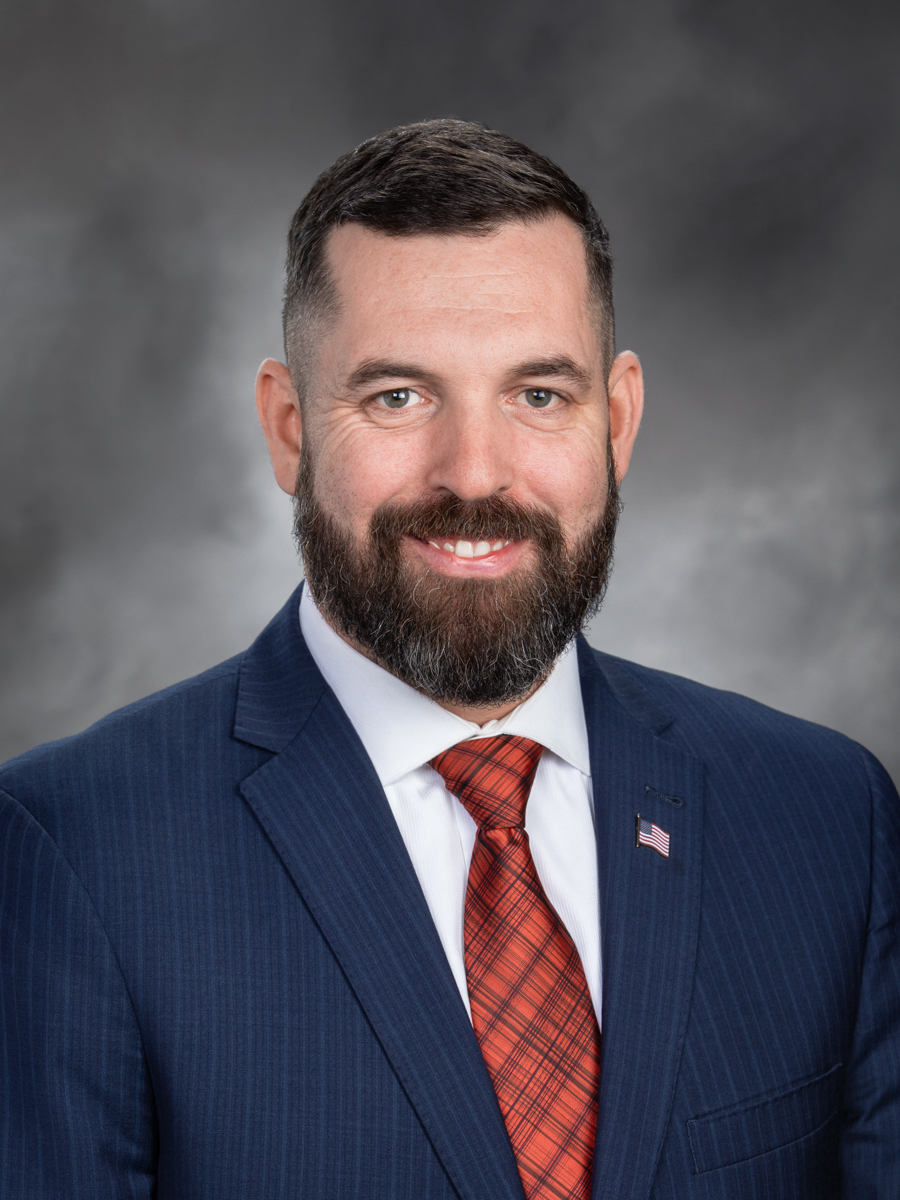
Alex Ybarra
86% support rate
Top opponent
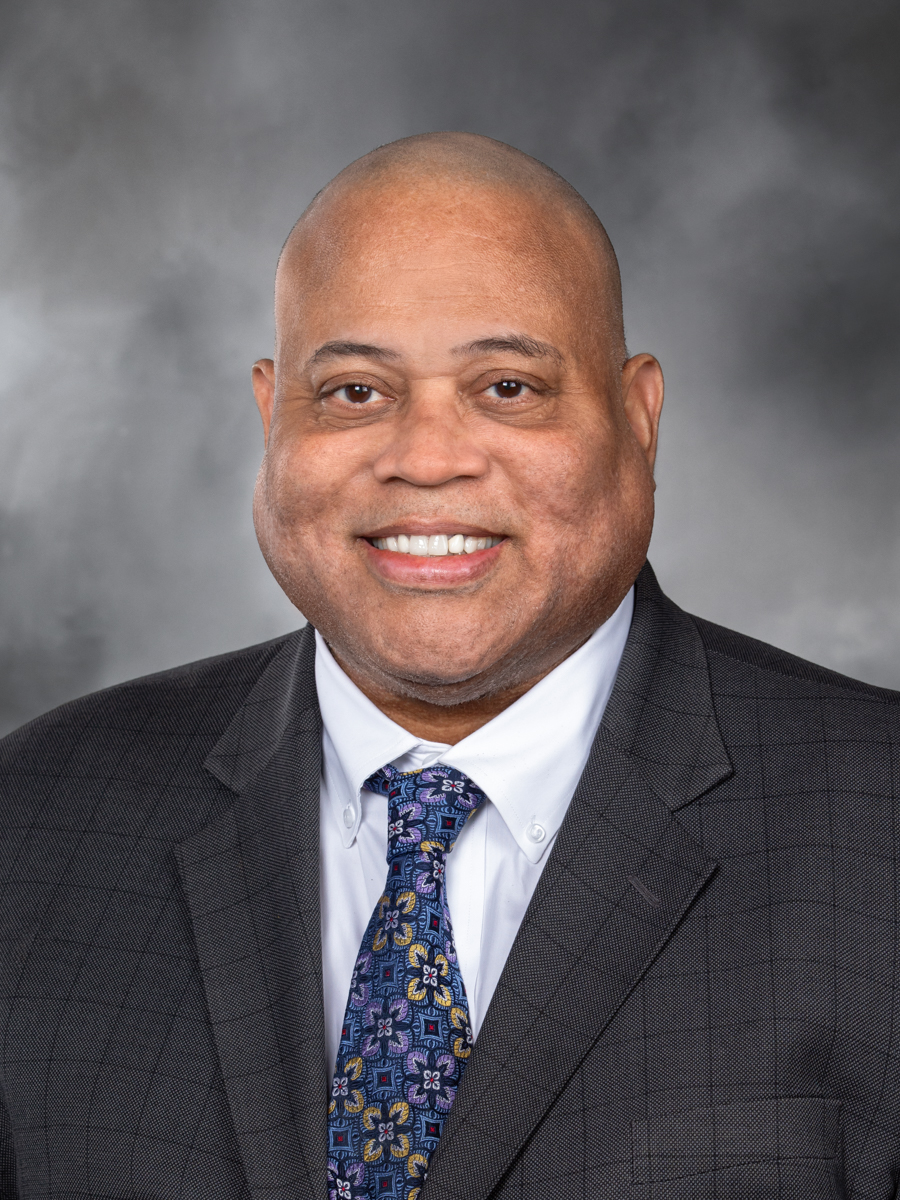
Zach Hall
14% support rate
Ranked legislators
10
5 support · 5 oppose
Key legislators

Who's moving business taxes in Washington

Legislators moving business taxes in Washington
Legislator Party Stance Support rate Decisive votes
Alex Ybarra
Alex Ybarra House · District 13
R
Strong +
86% 90
Hunter Abell
Hunter Abell House · District 7
R
Strong +
86% 90
Mark Klicker
Mark Klicker House · District 16
R
Strong +
86% 90
Matt Marshall
Matt Marshall House · District 2
R
Strong +
86% 90
Dave Stuebe
Dave Stuebe House · District 17
R
Strong +
85% 89
Zach Hall
Zach Hall House · District 5
D
Strong −
14% 77
David Hackney
David Hackney House · District 11
D
Strong −
16% 85
Gerry Pollet
Gerry Pollet House · District 46
D
Strong −
17% 90
Shaun Scott
Shaun Scott House · District 43
D
Strong −
17% 90
Shelley Kloba
Shelley Kloba House · District 1
D
Strong −
17% 90
Showing 71–80 of 103 bills

All budget & taxes bills

in committee · Washington · Senate Jan 12, 2026

SB 5088: Authorizing counties to impose a public utility tax.

This bill would allow Washington counties to impose a local tax on utility companies (like water, electricity, and gas providers) based on their gross income from services within the county. Counties could set a tax rate up to 3%, which utilities would add to customer bills and clearly label. The tax would apply to businesses (e.g., factories, data centers) but not residential customers unless businesses also get exemptions. Counties must follow specific rules for when to start the tax and cannot create general residential exemptions. This is a proposed revenue tool for local governments, not yet law.
Sub-Topics Business Taxes
in committee · Washington · Senate Jan 12, 2026

SB 5673: Providing a sales and use tax exemption for manufacturing facilities and green manufacturing facilities.

SB 5673 creates a sales and use tax exemption for manufacturing facilities and "green manufacturing facilities" (defined as facilities certified by a state or nationally recognized sustainability organization). It exempts purchases of construction materials, equipment, labor, and services used to build or maintain these facilities. To qualify, facilities must apply for an exemption certificate (no new certificates issued after July 2035), submit annual tax performance reports, and comply with specific reporting requirements. The exemption expires January 1, 2036, with the full law ending January 1, 2037.
in committee · Washington · House Jan 12, 2026

HB 1532: Authorizing funding tools to mitigate the impact of sales tax sourcing in certain cities that host industrial and warehousing industries.

HB 1532 allows specific cities (with populations over 120,000, located in high-population counties, and where industrial/warehousing makes up over 25% of property valuation) to add a 0.3% sales tax to offset fiscal challenges caused by current sales tax laws. This supplemental tax, collected on taxable transactions within the city, must fund community improvements like infrastructure or services to boost local vitality. Cities using this authority must hold public meetings, maintain a budget transparency webpage, and survey residents before each biennial budget. The bill replaces an expiring state funding program set to end in July 2026.
passed · Washington · Senate Jan 12, 2026

SB 5775: Expanding local taxing authority to fund public safety and community protection focused programs and services.

Senate Bill 5775 expands the authority for counties and cities to impose local sales and use taxes to fund public safety and community protection programs. Counties can impose a sales and use tax up to 0.3%, either through voter approval or by ordinance until January 1, 2028. Cities can also impose a tax, with the total combined county and city rate not exceeding 0.3%. Depending on how the tax is adopted, either one-third or all of the revenue must be used for purposes such as criminal justice, fire protection, community protection, or public safety, including behavioral health and diversion programs. The bill also specifies how these tax revenues are shared between local governments.
Sub-Topics Business Taxes Sales Tax Tags Local Government Public Safety
in committee · Washington · House Jan 12, 2026

HB 1614: Modifying the capital gains tax.

HB 1614 modifies Washington's capital gains tax rules by replacing the business and occupation tax credit with a new nonrefundable capital gains tax credit, closing technical loopholes, and clarifying how credits apply to taxpayers. It requires brokers and barter exchanges to report transactions, limits credit use to the tax year of the sale (with no carryforwards), and mandates monthly transfers from the general fund to education accounts based on tax reductions. The bill directly affects taxpayers with capital gains, brokers, and state education funding streams, while ensuring no net change to state tax collections. Key provisions include standardized treatment for spouses/domestic partners and new rules for adjusting transfer amounts to education funds. The changes take effect for 2025 tax years and expire January 1, 2026.
in committee · Washington · Senate Jan 12, 2026

SB 5795: Reducing the state sales and use tax rate.

SB 5795 reduces Washington's state sales and use tax rate from 6.5% to 6% for most retail purchases, effective January 1, 2027. The bill directly affects all Washington residents who make retail purchases, with the largest benefit going to low- and middle-income households who pay a higher percentage of their income in sales tax under the current system. This change modifies RCW 82.08.020 to lower the tax rate while maintaining existing exemptions for items like groceries and medical supplies.
in committee · Washington · Senate Jan 12, 2026

SB 5811: Establishing a tax on certain business activities related to surpluses generated under the zero-emission vehicle program.

SB 5811 establishes an excise tax on certain business activities related to surplus zero-emission vehicle (ZEV) credits generated by vehicle manufacturers in Washington state. The existing ZEV program requires manufacturers to sell a minimum percentage of ZEVs or acquire credits, allowing some to generate surplus credits. This bill imposes a 2% tax on the sale price of ZEV credits sold to other manufacturers, and also applies to the pooling and banking of these surplus credits. The intent is to tax these "windfall profits" and reinvest the funds into other programs that promote cleaner vehicles and support state climate goals.
in committee · Washington · House Jan 12, 2026

HB 2082: Increasing funding to the education legacy trust account by creating a more progressive rate structure for the capital gains tax and estate tax.

HB 2082 aims to increase funding for public K-12 education, early learning, child care, and higher education in Washington state. The bill proposes to do this by modifying the state's capital gains tax and estate tax. It introduces an additional 2.90% excise tax on an individual's Washington capital gains that exceed $1,000,000, effective January 1, 2025. For the estate tax, it increases the exclusion amount to $3,000,000 for estates of decedents dying on or after January 1, 2025, and intends to raise the top-tier rates up to 35 percent. Revenues generated from these changes would be dedicated to the education legacy trust account.
in committee · Washington · House Jan 12, 2026

HB 1806: Ensuring that commercial fishing revenue benefits communities most dependent on the industry.

HB 1806 redirects 50% of commercial fishing landing tax revenue to the cities or counties where fish are first landed, primarily benefiting rural coastal communities in southwest Washington that rely heavily on the fishing industry. The bill amends tax collection rules to ensure this portion - previously going to the state general fund - directly supports local public safety and infrastructure needs in these communities. Key provisions specify that 50% of the "landing tax" paid by commercial fishers on certain species (like salmon) must be distributed locally, while smaller percentages fund state conservation accounts and the general fund. This policy change takes effect January 1, 2027, aiming to align tax revenue with community needs.
passed · Washington · Senate Jan 12, 2026

SB 5458: Concerning newspapers and eligible digital content.

Senate Bill 5458 updates tax exemptions for businesses involved in newspaper and digital content publishing. The bill directly affects entities that primarily derive their income from printing or publishing newspapers, or from publishing specific types of digital content. It defines "eligible digital content" as electronic publications issued at least monthly, featuring written content with identified authors or sources. Businesses claiming this tax exemption must file an annual performance report, and the exemption amount may be reduced by certain expenditures.
Showing 71 to 80 of 103 bills
Previous 1 … 7 8 9 … 11 Next