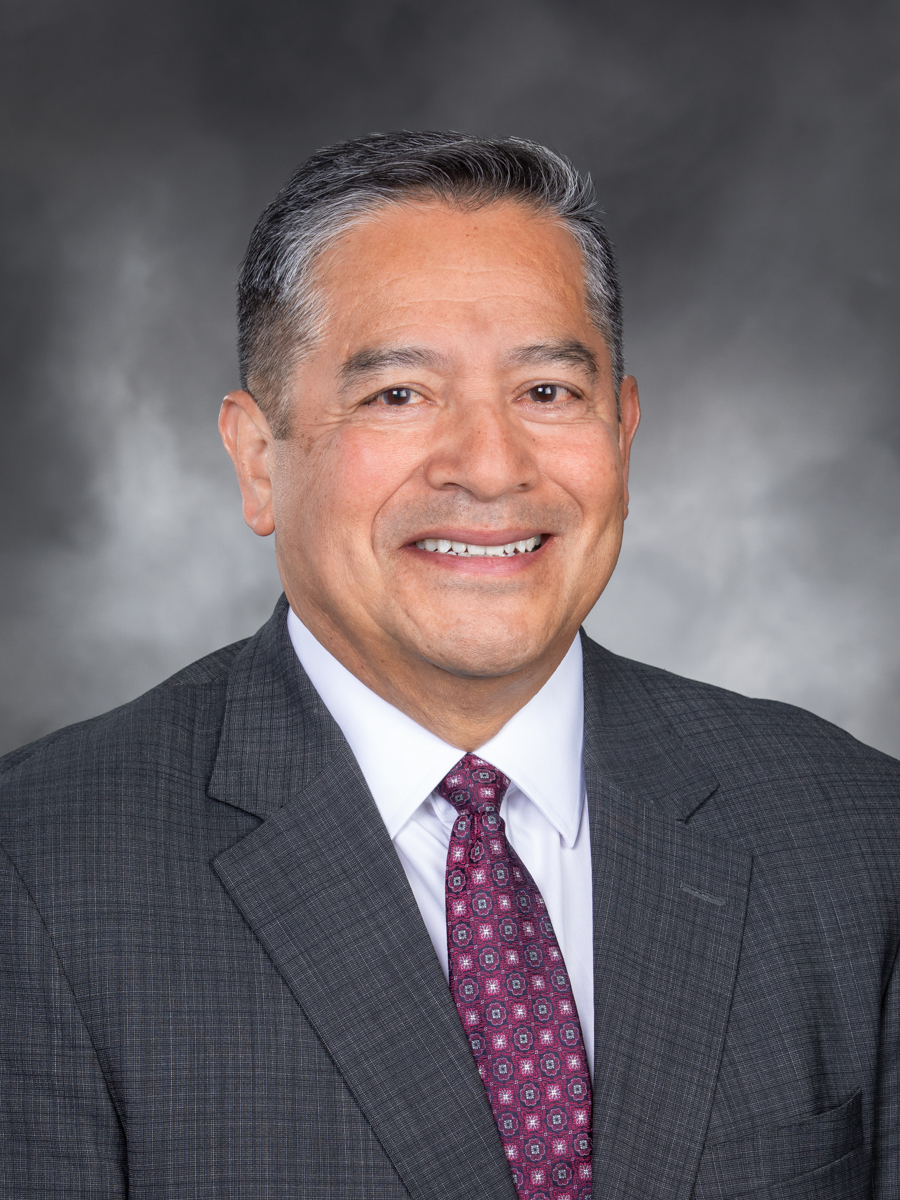
HB 1319 proposes a 1% annual tax on Washington residents' financial assets exceeding $100 million, including stocks, bonds, and similar investments. It would primarily affect approximately 3,400 of the state's wealthiest individuals, as estimated by the bill. Revenue generated would be directed to the state's general fund to support essential services like K-12 education, healthcare, wildfire prevention, and public safety programs. The tax applies to "financial intangible assets" defined broadly, excluding primary residences and certain other exemptions, with filing based on the prior calendar year's asset values.
HB 1428 establishes two state-funded accounts to support criminal justice services: one for counties and one for cities. It mandates annual transfers of $50 million (increasing by 50% starting in 2026) into these accounts, with county funds distributed based on population (20%), crime rate (30%), and criminal cases (50%). Municipal funds are distributed only to cities meeting a 125% statewide crime rate threshold, with 30% allocated to cities exceeding 175% of the average crime rate. The bill prohibits using these funds to replace existing local funding and restricts spending to criminal justice activities like domestic violence services and law enforcement support.
SB 5167 establishes the operating budget for the state of Washington for the 2025-2027 fiscal biennium. It appropriates funds for the salaries, wages, and operational expenses of various state agencies and offices, directly affecting all state government functions and the services provided to Washington residents. The bill outlines specific allocations, such as for the House of Representatives and the Senate, and includes conditions and limitations on how funds can be spent. For example, it allocates funds for the Joint Legislative Audit and Review Committee to conduct performance audits, including a review of juvenile rehabilitation programs. These appropriations cover the period from July 1, 2025, to June 30, 2027.
SB 5151 limits annual state spending growth to the average annual increase in Washington's median worker wage, starting in 2026. It requires the state to calculate a spending cap based on the prior decade's median wage growth and directs any excess revenue above this cap toward lowering property tax rates. The bill applies to all state general fund spending and mandates that the Economic and Revenue Forecast Council determine excess revenues by December 1 each year, which the Department of Revenue must use to reduce property tax rates by the following year. This directly affects state budget decisions and homeowners through potential property tax relief.
HB 1734 creates a state grant program to fund capital improvements for facilities used in outdoor learning. It provides competitive grants to tribes, local governments, nonprofits, and others to build, renovate, or rehab facilities that expand access to outdoor education for public school students, particularly in underserved communities. Key provisions require projects to increase student capacity or remove participation barriers, mandate facility maintenance for a set period, and ensure funds are used solely for outdoor learning. The grants are intended to complement existing outdoor education programs by improving infrastructure, not operating costs, with funding requests to be submitted starting in 2027.
HB 2049 aims to enhance funding for K-12 education and communities by modifying state and local property tax authority and adjusting the school funding formula. The bill revises the maximum dollar amount school districts can levy for enrichment, setting it as the lesser of $2.50 per $1,000 of assessed value or a per-pupil limit. This per-pupil limit is updated with specific "inflation enhancements" through 2030 and establishes a new base amount starting in 2031, impacting funding based on student enrollment. Additionally, it adjusts how the state provides local effort assistance funding to supplement these school district enrichment levies.
SB 5146 proposes creating a public portal where state employees and residents can report wasteful, duplicative, or inefficient government spending. The portal would require users to submit details about specific agencies, policy areas, and examples of inefficiency (with anonymous options), and it must be accessible to people with disabilities and mobile users. Submitted reports would be sent annually to legislative budget committees, and state employees whose suggestions lead to actual savings may qualify for cash awards. The bill directly affects state employees and the public by providing a structured way to identify government waste, aiming to improve taxpayer spending efficiency. It does not change existing laws but establishes a new process for gathering and reviewing efficiency suggestions.
HB 2055 establishes a yearly limit on Washington state revenue growth, calculated using inflation and population changes, to prevent budget expansions without new funding. It requires the state revenue limit committee to adjust this cap annually based on actual collections and economic data, and lowers the limit if state programs shift funding away from the general fund. The bill mandates that any revenue exceeding this limit - after accounting for constitutional transfers - must be deposited into the budget stabilization account by June 30 each year. This directly affects state budgeting processes and the management of the stabilization fund, which holds reserves for economic downturns.
HB 1471 transfers $1.63 billion from Washington's budget stabilization account to the state general fund to support critical health, welfare, and public safety services in fiscal year 2026. It requires the state treasurer to repay the full amount by transferring $816 million to the stabilization account on June 30, 2028, and another $816 million by June 30, 2029. The bill ensures these transfers do not disrupt future budget balancing requirements. This directly affects state service funding for all Washington residents during the 2026 fiscal year.
HB 1614 modifies Washington's capital gains tax rules by replacing the business and occupation tax credit with a new nonrefundable capital gains tax credit, closing technical loopholes, and clarifying how credits apply to taxpayers. It requires brokers and barter exchanges to report transactions, limits credit use to the tax year of the sale (with no carryforwards), and mandates monthly transfers from the general fund to education accounts based on tax reductions. The bill directly affects taxpayers with capital gains, brokers, and state education funding streams, while ensuring no net change to state tax collections. Key provisions include standardized treatment for spouses/domestic partners and new rules for adjusting transfer amounts to education funds. The changes take effect for 2025 tax years and expire January 1, 2026.