Issue · Budget & Taxes

Budget & Taxes (Business Taxes)

Every budget & taxes bill, vote, and legislator stance in Washington, automatically classified by Maddy, our AI policy reader.

Total bills
103
2025-2026 Regular Session
Top supporter
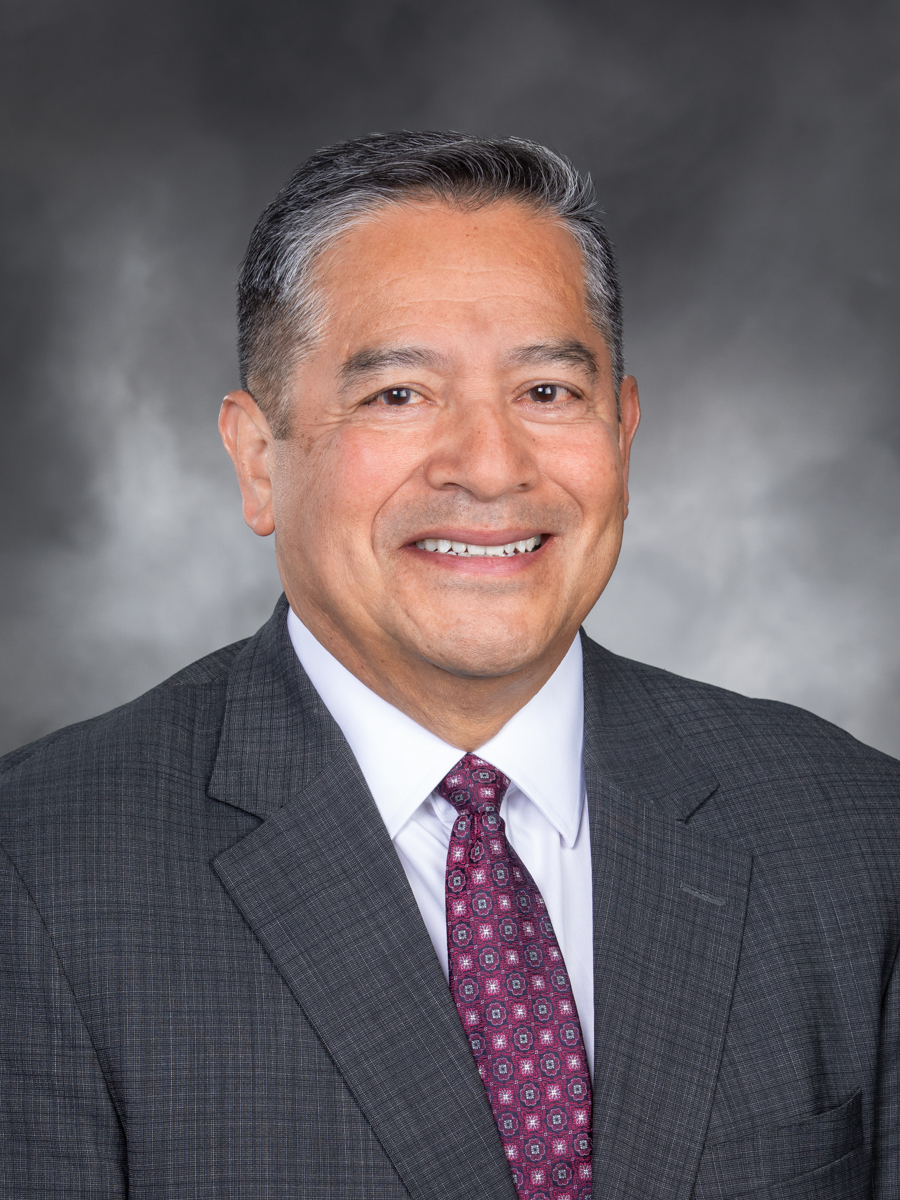
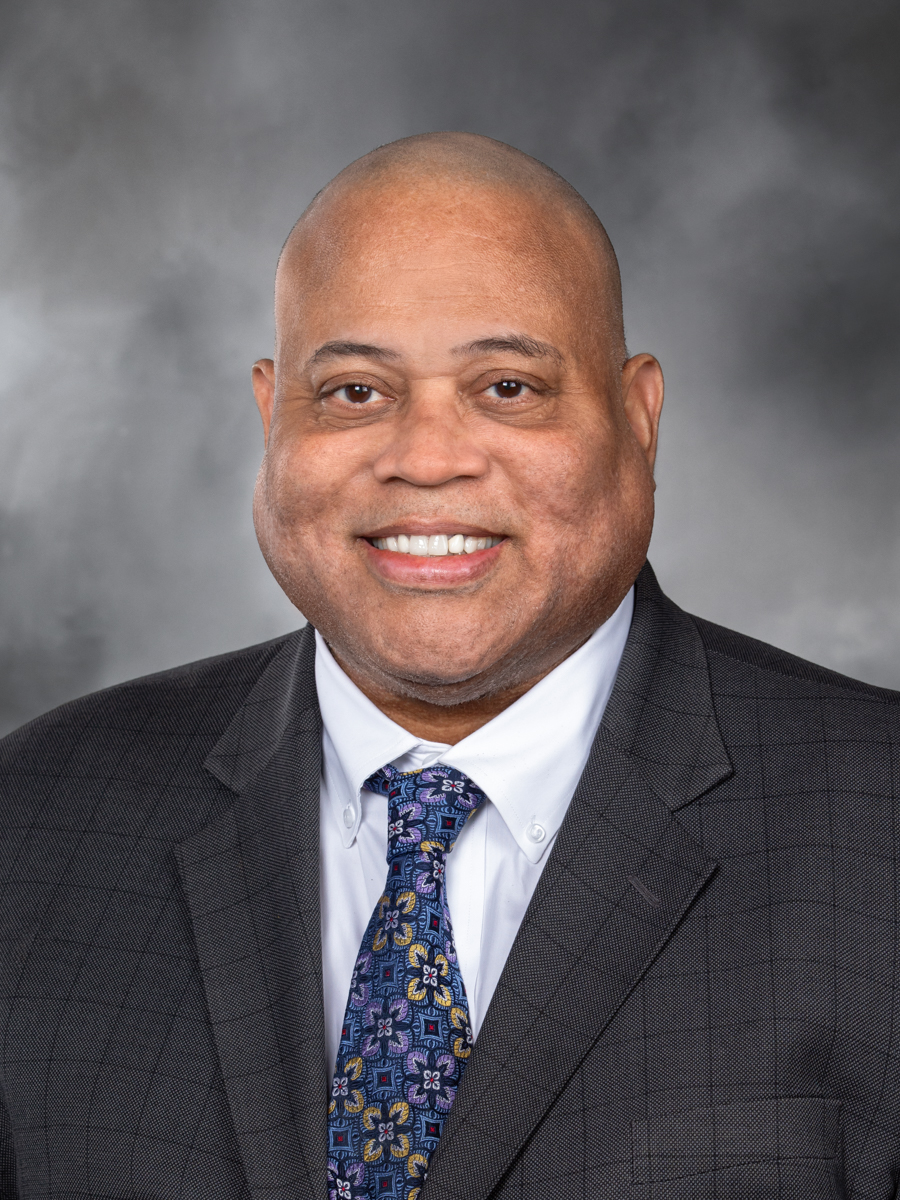
Alex Ybarra
86% support rate
Top opponent
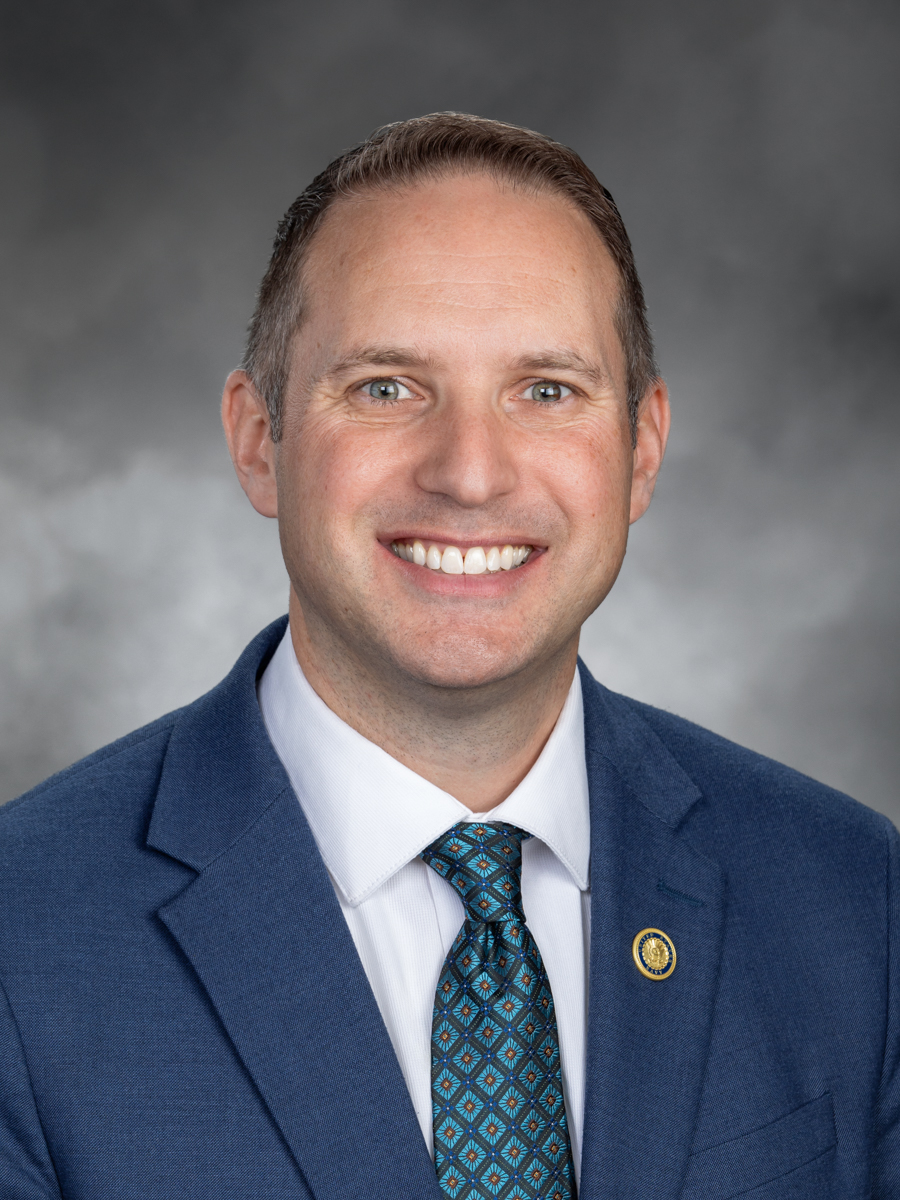
Zach Hall
14% support rate
Ranked legislators
10
5 support · 5 oppose
Key legislators

Who's moving business taxes in Washington

Legislators moving business taxes in Washington
Legislator Party Stance Support rate Decisive votes
Alex Ybarra
Alex Ybarra House · District 13
R
Strong +
86% 90
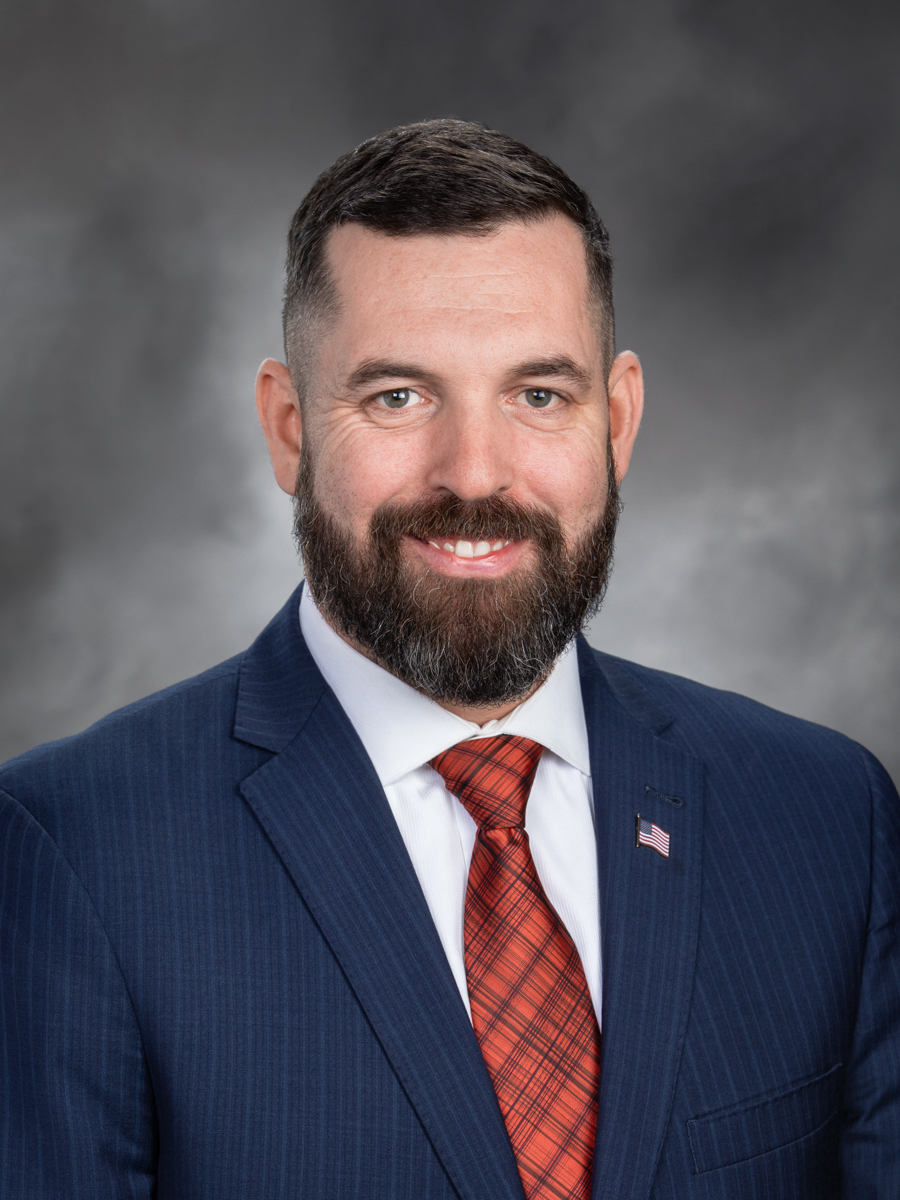
Hunter Abell
Hunter Abell House · District 7
R
Strong +
86% 90
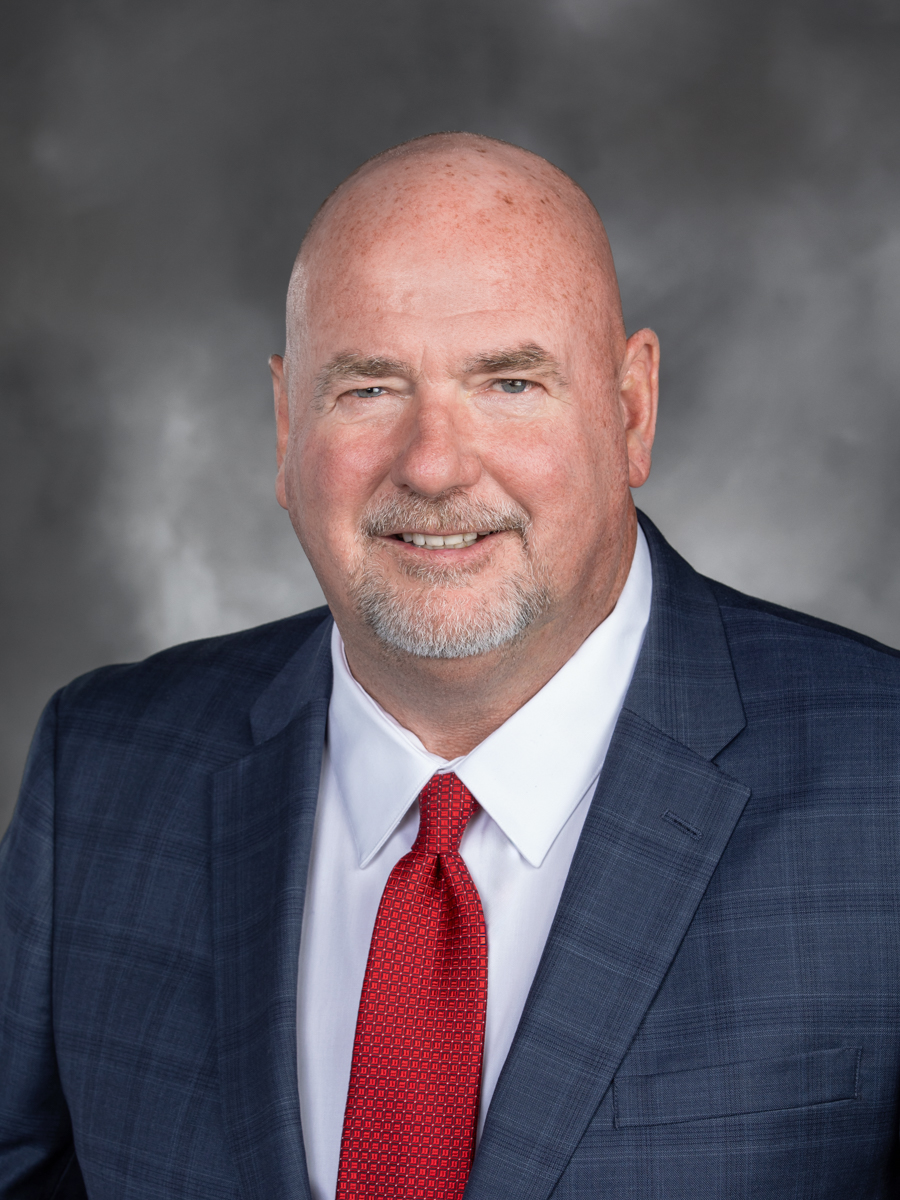
Mark Klicker
Mark Klicker House · District 16
R
Strong +
86% 90
Matt Marshall
Matt Marshall House · District 2
R
Strong +
86% 90
Dave Stuebe
Dave Stuebe House · District 17
R
Strong +
85% 89
Zach Hall
Zach Hall House · District 5
D
Strong −
14% 77
David Hackney
David Hackney House · District 11
D
Strong −
16% 85
Gerry Pollet
Gerry Pollet House · District 46
D
Strong −
17% 90
Shaun Scott
Shaun Scott House · District 43
D
Strong −
17% 90
Shelley Kloba
Shelley Kloba House · District 1
D
Strong −
17% 90
Showing 61–70 of 103 bills

All budget & taxes bills

in committee · Washington · Senate Jan 12, 2026

SB 5259: Creating a sales and use tax exemption for bait purchased for commercial fishing.

SB 5259 exempts commercial fishing businesses from paying sales and use tax on bait purchased for their operations in Washington State. To qualify, businesses must provide a valid exemption certificate to sellers and apply for certification through the Department of Revenue. The exemption specifically applies to licensed commercial fishing businesses (excluding recreational fishing charters) and expires on January 1, 2037. This policy aims to provide equitable tax treatment for the commercial fishing industry, aligning it with similar sectors like commercial farming.
in committee · Washington · House Jan 12, 2026

HB 1994: Encouraging local support of communities that host renewable energy through changes in tax policy.

HB 1994 allows Washington counties to seek voter approval for a new excise tax on large renewable energy facilities (solar, wind, or battery storage with 50+ megawatts capacity), directly affecting counties that adopt it and the facility operators who pay the tax. The tax rate varies by technology and facility operational date (e.g., $4,000-$4,500 per megawatt for solar, $800-$6,300 for wind), adjusted annually for inflation. Counties must clearly state how tax revenue will be used in ballot measures, and the tax expires after 30 years unless renewed by voters. This creates a new tax policy framework in state law to support communities hosting renewable projects.
in committee · Washington · Senate Jan 12, 2026

SB 5553: Providing a sales and use tax incentive for multifamily affordable housing.

SB 5553 creates a sales and use tax deferral program for developers converting underutilized commercial buildings or constructing new multifamily housing in areas with housing shortages. It requires at least 10% of units to be affordable to low-income households for 10 years and mandates completion within three years (with a possible 24-month extension). Cities must adopt specific application, approval, and appeal processes, and developers must verify they would not build without the incentive. This directly affects developers of qualifying affordable housing projects and local governments implementing the program.
in committee · Washington · Senate Jan 12, 2026

SB 5054: Providing tax exemption for the first 20,000 gallons of wine sold by a winery in Washington.

SB 5054 exempts Washington wineries selling fewer than 20,000 gallons of table wine or cider annually from the standard wine tax on those initial sales. This change modifies existing tax code (RCW 66.24.210) to remove the $0.0528-per-liter tax for the first 20,000 gallons of wine/cider sold each year, directly benefiting small wineries. The bill aims to reduce financial barriers for small producers who lack economies of scale and face challenges like economic downturns and climate impacts. This policy change takes effect upon passage, altering how wineries calculate and pay state wine excise taxes.
in committee · Washington · House Jan 12, 2026

HB 1100: Creating a local sales and use tax.

HB 1100 authorizes Washington cities and counties to impose a new 0.5% local sales and use tax, designed to supplement existing state collections without increasing overall tax burdens on consumers. The tax, collected alongside state sales taxes, must be credited against the state rate, ensuring the combined local and state tax does not exceed 0.5% total. Local governments (cities or counties) can use this revenue for essential services like public safety, infrastructure, and social programs, while the state Department of Revenue collects the tax at no cost to local jurisdictions. This bill directly affects local governments seeking additional funding and consumers, as it prevents net tax increases through the credit mechanism. The tax would take effect January 1, 2026, if passed.
in committee · Washington · House Jan 12, 2026

HB 1993: Exempting child care providers from the business and occupation tax.

HB 1993 exempts child care providers in Washington from paying the 0.484% business and occupation tax on income from caring for children under 13 or under 19 with verified special needs (as defined by state law). The bill modifies tax code to remove this tax for providers primarily operating child care services for short-term care (under 24 hours), applying until January 1, 2035. This directly affects licensed child care centers, home-based providers, and family child care homes serving eligible children. The key provision eliminates a specific tax burden on these providers’ gross proceeds, without changing other tax obligations.
Sub-Topics Business Taxes
signed · Washington · House May 20, 2025

HB 2077: Establishing a tax on certain business activities related to surpluses generated under the zero-emission vehicle program.

House Bill 2077 establishes a new tax on certain vehicle manufacturers. This tax applies to profits generated from surplus zero-emission vehicle (ZEV) credits, which are earned when a manufacturer exceeds the state's ZEV sales requirements. The bill requires the Department of Ecology to share manufacturers' ZEV credit activity with the Department of Revenue, and manufacturers must report the prices of ZEV credit transactions. The collected tax revenue is intended to be reinvested into programs that further promote cleaner vehicles.
in committee · Washington · House Jan 12, 2026

HB 1320: Modifying business and occupation tax rates to fund programs and services to benefit Washingtonians.

HB 1320 increases business and occupation tax rates for multiple sectors to fund state programs. It raises rates for extractors and manufacturers to 0.5324%, semiconductor manufacturers to 0.3025% (with employment requirements), and real estate brokers to 1.65%. The bill also creates a temporary 0.31944% rate for aviation repair stations until 2040. Businesses claiming semiconductor tax preferences must maintain 90% of their three-year average employment or reimburse 50% of the tax benefit. All rate changes are intended to generate revenue for state programs benefiting Washington residents, as specified in the bill's title.
Sub-Topics Business Taxes
in committee · Washington · House Jan 12, 2026

HB 1284: Eliminating the investment income business and occupation tax deduction for corporations and other business entities.

HB 1284 eliminates a tax deduction that allowed corporations and other business entities to exclude investment income from Washington's business and occupation tax. This affects companies earning income from investments (like stocks or loans), particularly those investing outside Washington, which previously avoided tax on that income. The bill amends tax code to remove this deduction, with a small exception allowing deductions for investment income under 5% of annual gross receipts. The legislature states this change aims to close a perceived tax loophole, increase revenue for public schools, and create fairness by requiring all businesses to pay tax on investment income earned within the state.
Sub-Topics Business Taxes
signed · Washington · Senate May 20, 2025

SB 5794: Adopting recommendations from the tax preference performance review process, eliminating obsolete tax preferences, clarifying legislative intent, and addressing changes in constitutional law.

Senate Bill 5794 aims to improve how tax preferences are managed in Washington state. It implements recommendations from the state's tax preference performance review process, which evaluates the effectiveness of existing tax exemptions. The bill eliminates several tax preferences identified as obsolete or unused and clarifies the legislative intent behind others. This includes updating specific tax code sections and modifying effective or expiration dates for certain industries, such as manufacturing of seafood and dairy products.
Sub-Topics Business Taxes
Showing 61 to 70 of 103 bills
Previous 1 … 6 7 8 … 11 Next