

Issue · Budget & Taxes
Budget & Taxes
Every budget & taxes bill, vote, and legislator stance in Washington, automatically classified by Maddy, our AI policy reader.
Total bills
627
2025-2026 Regular Session
Top supporter
Vandana Slatter
80% support rate
Top opponent
Zach Hall
25% support rate
Ranked legislators
10
5 support · 5 oppose
Key legislators
Who's moving budget & taxes in Washington
| Legislator | Party | Stance | Support rate | Votes |
|---|---|---|---|---|

Vandana Slatter
Senate · District 48
|
D |
Support
|
80% | 151 |

Jesse Salomon
Senate · District 32
|
D |
Support
|
78% | 155 |
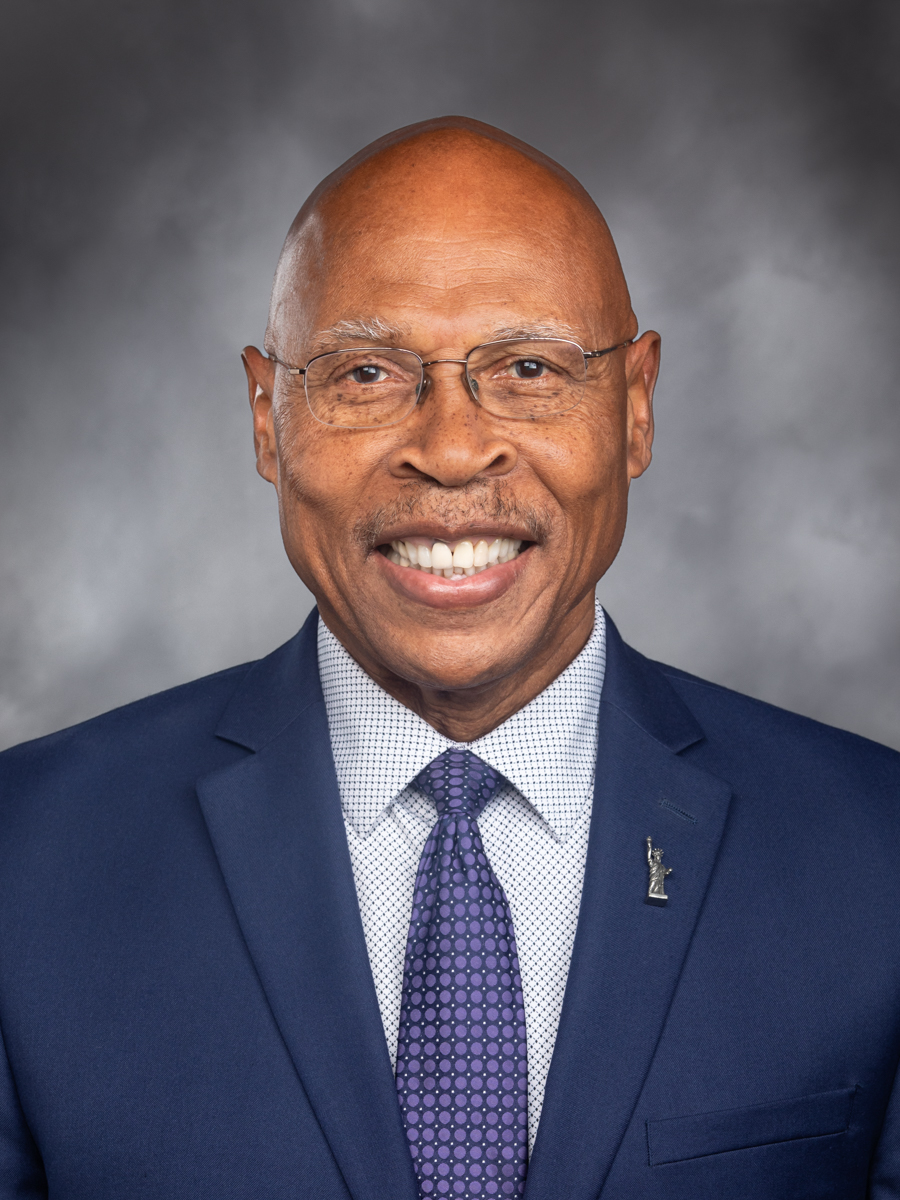
John Lovick
Senate · District 44
|
D |
Support
|
78% | 155 |

Annette Cleveland
Senate · District 49
|
D |
Support
|
78% | 155 |

June Robinson
Senate · District 38
|
D |
Support
|
78% | 154 |

Zach Hall
House · District 5
|
D |
Oppose
|
25% | 152 |

Leonard Christian
Senate · District 4
|
R |
Oppose
|
28% | 155 |

Jim McCune
Senate · District 2
|
R |
Oppose
|
30% | 152 |
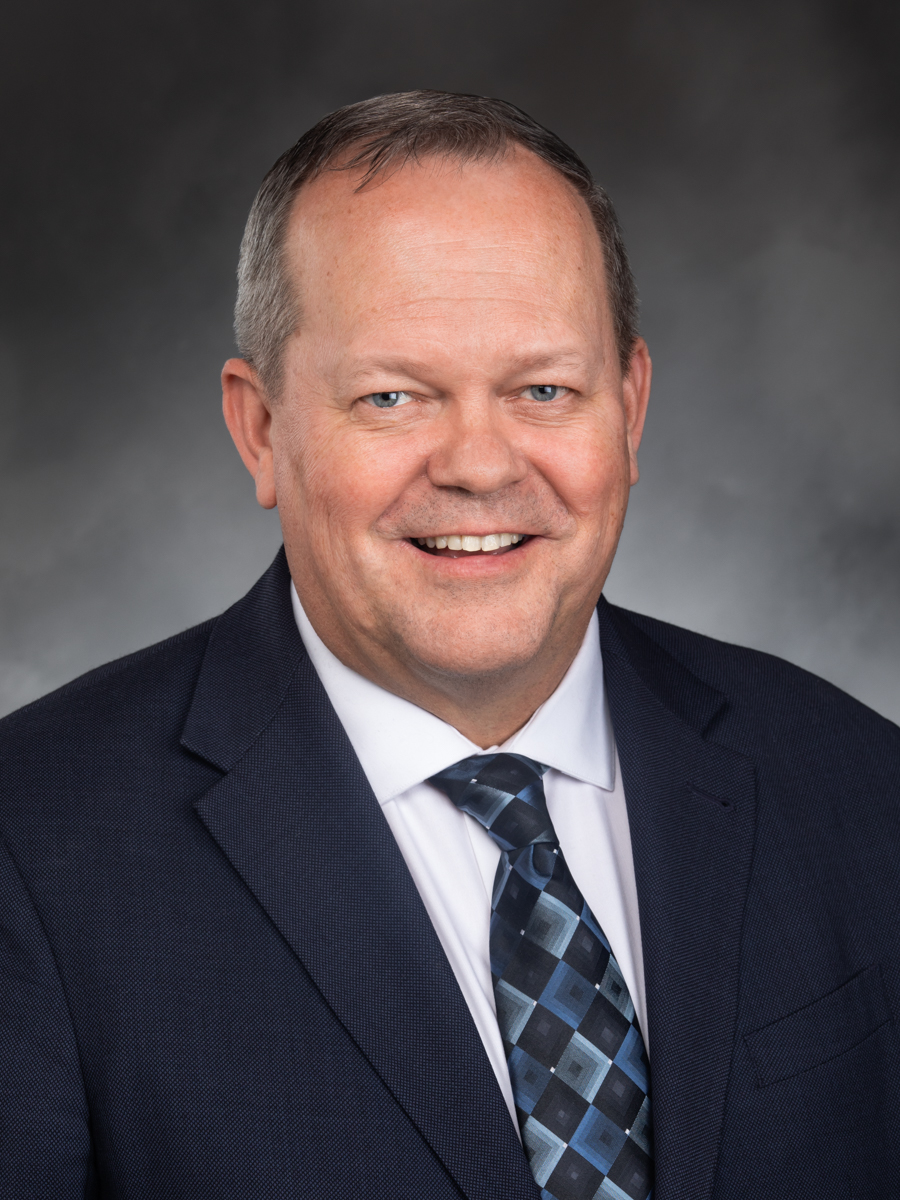
Matt Boehnke
Senate · District 8
|
R |
Oppose
|
31% | 152 |
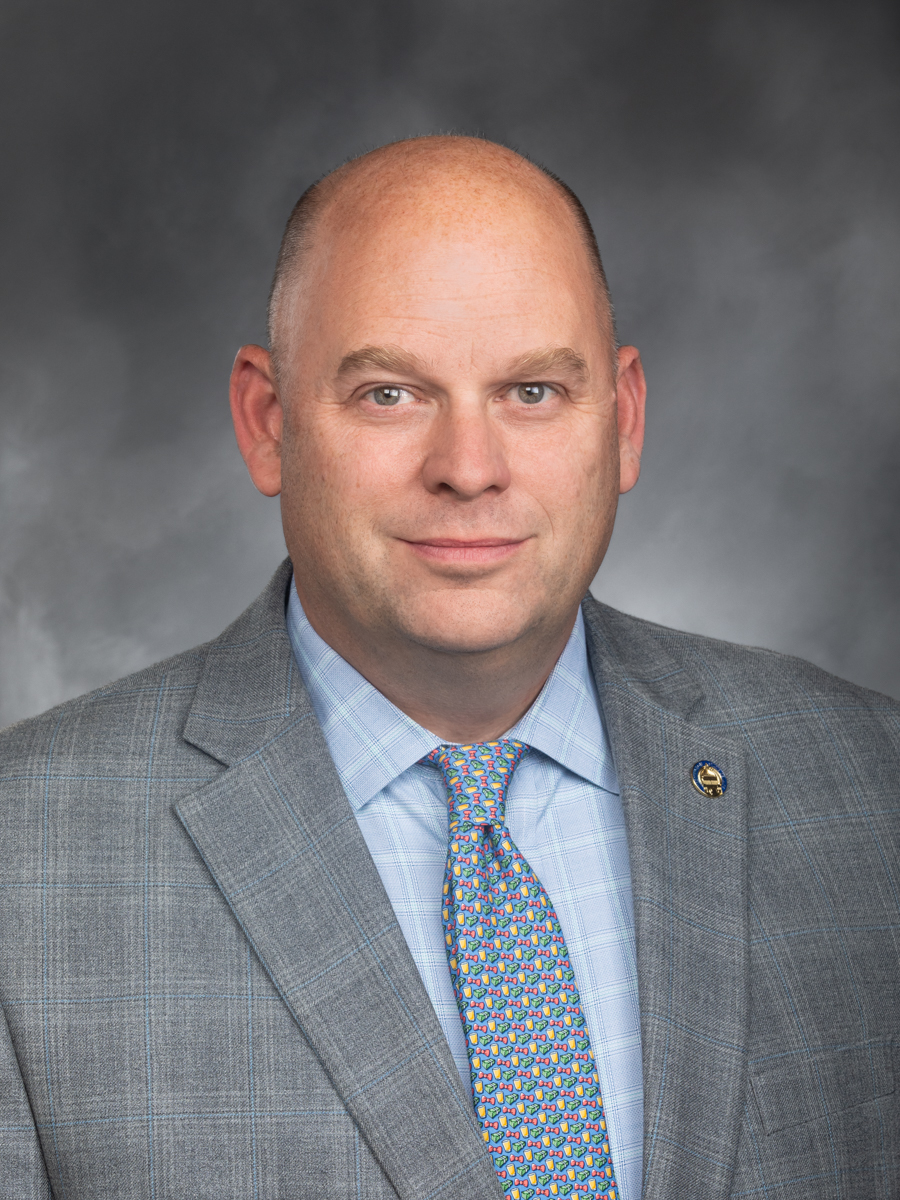
Drew MacEwen
Senate · District 35
|
R |
Oppose
|
32% | 154 |
Showing 601–610 of 627
bills
All budget & taxes bills
HB 2026: Creating the fairness in education funding act.
Topics
✓ Budget & TaxesSupports Budget & TaxesReplaces local levies with uniform state-funded allocations, mandating increased state budget expenditure for equitable education salaries.
✓ EducationSupports EducationReplaces inequitable local levies with uniform state funding and sets $100,033+ baseline salaries for all school staff, directly advancing equitable funding and teacher compensation.
✓ Labor & EmploymentSupports Labor & EmploymentEstablishes $100,033 baseline salary for all school staff, directly increasing wages and setting uniform employment standards per bill summary.
SB 5383: Providing a sales and use tax exemption for inputs required for salmon recovery projects.
Topics
✓ Budget & TaxesSupports Budget & TaxesExempts sales/use taxes for salmon recovery projects, reducing tax burden on qualifying sponsors and directing state funds toward habitat restoration and conservation programs.
✓ EnvironmentSupports EnvironmentBill provides tax exemption for salmon habitat restoration, barrier removal, and hatchery improvements - directly advancing environmental conservation and species protection efforts.
HB 1120: Determining state allocations for school staff salaries.
Topics
✓ Budget & TaxesSupports Budget & TaxesBill mandates increased state budget allocations for school staff salaries, directly funding public education through mandatory annual funding increases and inflation adjustments.
✓ EducationSupports EducationMandates state funding increases for school staff salaries, setting minimum targets to reach $99,164 by 2027-28 with annual inflation adjustments.
✓ Labor & EmploymentSupports Labor & EmploymentSets new minimum salary targets for school staff, mandating inflation-adjusted increases to $99,164 by 2027-28, directly advancing wage standards for public school workers.
HB 1839: Increasing the investments in our workforce by amending the advanced computing surcharge.
Topics
✓ Budget & TaxesSupports Budget & TaxesBill imposes new tax on large tech firms to fund workforce programs, directly increasing state revenue allocation for public services per summary.
✓ EducationSupports EducationBill allocates surcharge revenue to expand Washington College Grant, directly increasing higher education access for low-income families.
✓ Labor & EmploymentSupports Labor & EmploymentFunds workforce programs including Washington College Grant expansion for low-income families, directly advancing employment opportunities and education access per bill summary.
HB 1786: Adding public safety facilities to the allowable uses of revenues for local infrastructure financing projects.
Topics
✓ Budget & TaxesSupports Budget & TaxesExpands TIF revenue use for public safety facilities (police/fire), enabling local governments to fund essential services with existing tax increment financing.
✓ Criminal JusticeSupports Criminal JusticeBill explicitly permits TIF funding for police/fire facilities, directly advancing law enforcement infrastructure within criminal justice framework.
HB 1057: Promoting economic development by increasing support for local communities to access federal funds.
Topics
✓ Budget & TaxesSupports Budget & TaxesCreates state fund to match federal grants, increasing state spending for economic development projects like broadband and housing.
✓ HousingSupports HousingBill creates state fund to match federal grants for housing projects, directly enabling housing development funding as explicitly listed in summary.
✓ Labor & EmploymentSupports Labor & EmploymentFunds workforce training projects via state matching grants, prioritizing job creation in economic development initiatives.
✓ TechnologySupports TechnologyBill explicitly funds broadband projects via matching grants, directly expanding internet access for rural communities and tribes as a key project type.
✓ TransportationSupports TransportationBill funds infrastructure projects via state matching grants, explicitly listing infrastructure as eligible for federal grant support alongside transportation-relevant areas like broadband and workforce training.
Sub-Topics
Community Development
Property Development
Workforce Development
Broadband Access
Tags
Rural Communities
HB 1019: Concerning tax incentives for farmers.
Topics
✓ Budget & TaxesSupports Budget & TaxesProvides 25% tax credit to farmers for eligible purchases, reducing tax liability and supporting agricultural conservation programs within state fiscal framework.
✓ EnvironmentSupports EnvironmentBill requires conservation participation for tax credit, directly incentivizing environmental conservation practices by farmers through tax incentives for conservation infrastructure.
SB 5709: Concerning county property tax levies for public health clinic purposes.
Topics
✓ Budget & TaxesSupports Budget & TaxesBill creates new property tax authority to fund public health clinics, directly increasing state budget allocation for essential health services per defined scope.
✓ HealthcareSupports HealthcareAllows property tax funding for public health clinics including mental health services, directly increasing healthcare access and funding through new revenue stream.