

Issue · Budget & Taxes
Budget & Taxes (Revenue)
Every budget & taxes bill, vote, and legislator stance in Washington, automatically classified by Maddy, our AI policy reader.
Total bills
52
2025-2026 Regular Session
Top supporter
Amy Walen
100% support rate
Top opponent
Alex Ybarra
33% support rate
Ranked legislators
10
5 support · 5 oppose
Key legislators
Who's moving revenue in Washington
| Legislator | Party | Stance | Support rate | Votes |
|---|---|---|---|---|

Amy Walen
House · District 48
|
D |
Strong +
|
100% | 3 |
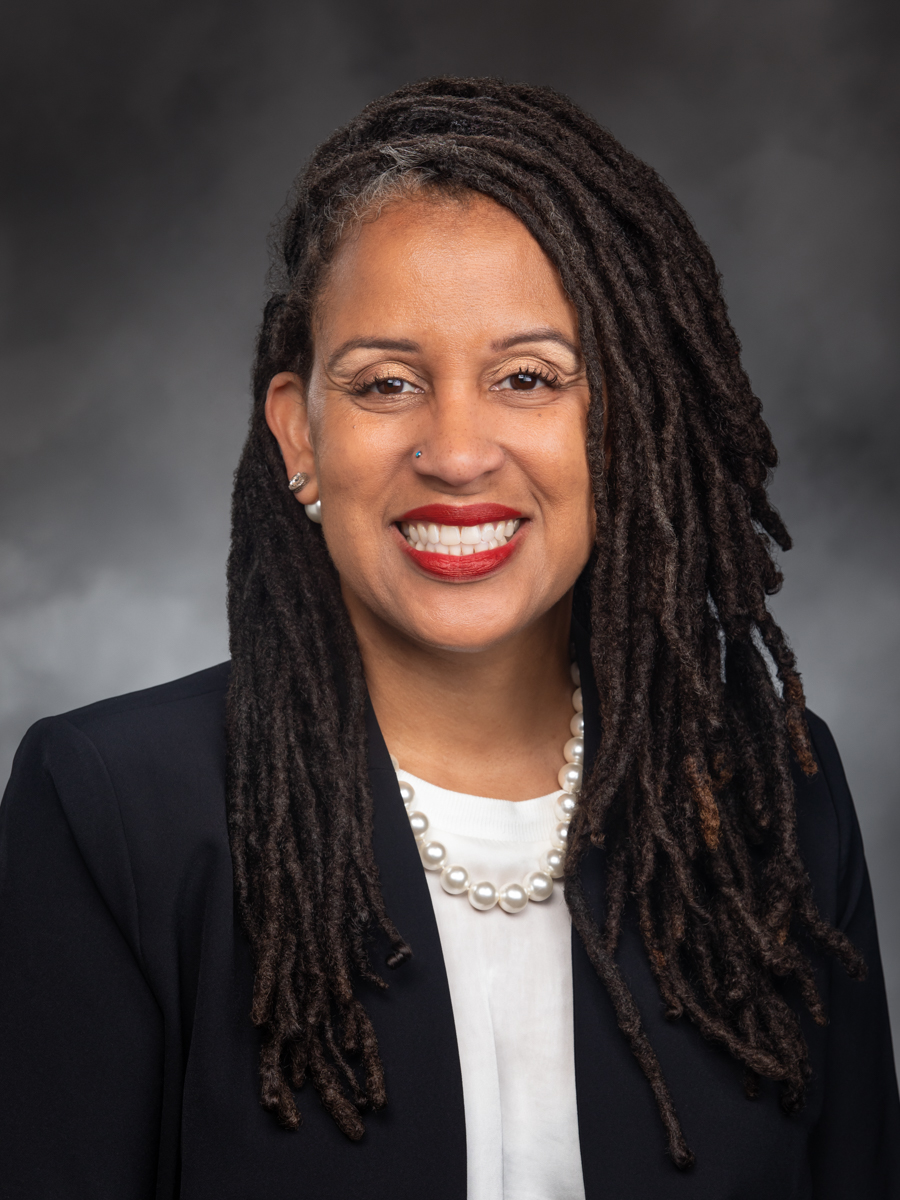
April Berg
House · District 44
|
D |
Strong +
|
100% | 3 |

Brandy Donaghy
House · District 44
|
D |
Strong +
|
100% | 3 |

Brianna Thomas
House · District 34
|
D |
Strong +
|
100% | 3 |
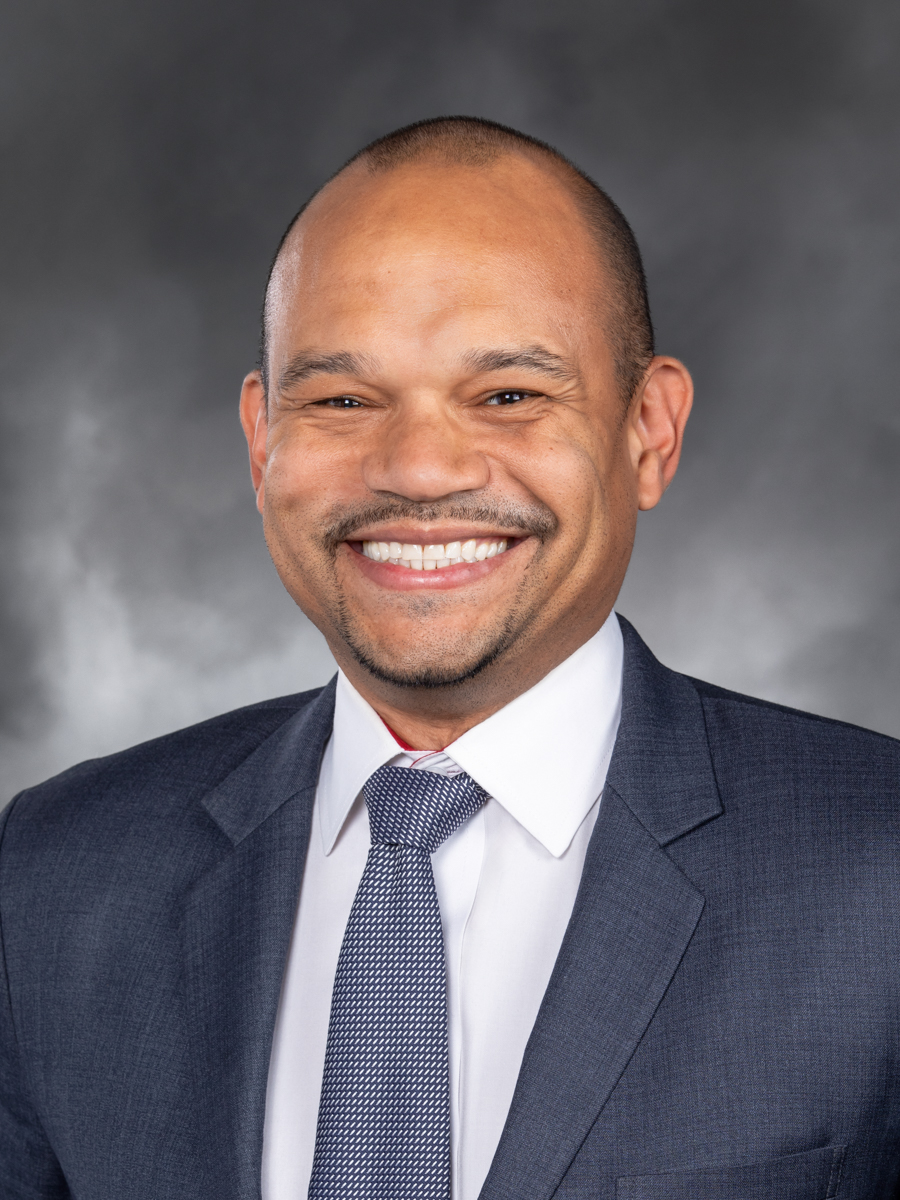
Chipalo Street
House · District 37
|
D |
Strong +
|
100% | 3 |

Alex Ybarra
House · District 13
|
R |
Oppose
|
33% | 3 |

Alicia Rule
House · District 42
|
D |
Oppose
|
33% | 3 |

Andrew Barkis
House · District 2
|
R |
Oppose
|
33% | 3 |

Andrew Engell
House · District 7
|
R |
Oppose
|
33% | 3 |

April Connors
House · District 8
|
R |
Oppose
|
33% | 3 |
Showing 41–50 of 52
bills
All budget & taxes bills
HB 1887: Creating a data broker registry for the purpose of imposing a data broker severance tax.
Topics
✓ Budget & TaxesSupports Budget & TaxesImposes new data broker severance tax, creating direct revenue stream for state budget without targeting individuals.
✓ TechnologySupports TechnologyRegulates data brokers selling personal information without consent via registration and severance tax, directly strengthening data privacy protections as defined in the bill's scope.
HB 2043: Concerning transportation resources.
Topics
✓ Budget & TaxesSupports Budget & TaxesCreates new revenue sources to replace declining fuel tax income, ensuring reliable transportation funding through multiple revenue streams to maintain infrastructure spending.
✓ TransportationSupports TransportationCreates new revenue streams to maintain transportation funding for roads, transit, and infrastructure, ensuring continued support for mobility and economic growth.
SB 5726: Establishing new sources of transportation revenue based on motor vehicle use of public roadways.
Topics
✓ Budget & TaxesSupports Budget & TaxesBill creates new mileage-based fee to replace declining fuel tax revenue, ensuring stable transportation funding and promoting fiscal responsibility without increasing taxpayer burden.
✓ EnvironmentSupports EnvironmentPhases in road usage fees for low-efficiency vehicles and mandates EVs by 2029, incentivizing cleaner transportation and reducing emissions.
✓ TransportationSupports TransportationBill establishes per-mile fee to replace declining fuel tax revenue, ensuring continued funding for transportation infrastructure maintenance as vehicle efficiency increases.
SB 5264: Modifying retail taxes compacts between the state of Washington and federally recognized tribes located in Washington state by increasing the revenue-sharing percentages when a compacting tribe has completed a qualified capital investment.
HB 1997: Cutting statewide property tax revenues by 10 percent without creating a shift to other taxpayers.
HB 1921: Establishing new sources of transportation revenue based on motor vehicle use of public roadways.
Topics
✓ Budget & TaxesSupports Budget & TaxesBill establishes new mileage-based tax revenue to replace declining fuel taxes, ensuring sustainable transportation funding without defunding road maintenance programs.
✓ TransportationSupports TransportationBill creates mileage-based fee system to fund transportation infrastructure, replacing declining fuel tax revenue and directly addressing road usage funding needs.
HJR 4206: Amending the Constitution to require a two-thirds majority vote of the legislature to raise taxes.
HB 1786: Adding public safety facilities to the allowable uses of revenues for local infrastructure financing projects.
Topics
✓ Budget & TaxesSupports Budget & TaxesExpands TIF revenue use for public safety facilities (police/fire), enabling local governments to fund essential services with existing tax increment financing.
✓ Criminal JusticeSupports Criminal JusticeBill explicitly permits TIF funding for police/fire facilities, directly advancing law enforcement infrastructure within criminal justice framework.
HB 1986: Concerning the application of taxes to sales of motor vehicles for use in retail car rentals.
Topics
✓ Budget & TaxesSupports Budget & TaxesImposes new 5.9% tax on rental companies to fund multimodal transportation account, directly increasing state revenue for public infrastructure spending.
✓ TransportationSupports TransportationBill imposes tax on rental vehicle sales to fund multimodal transportation account, directly advancing infrastructure funding.
Sub-Topics
Business Taxes
Revenue
Sales Tax
Driver Licensing
Transportation Funding
Vehicle Registration