Issue · Budget & Taxes

Budget & Taxes (Business Taxes)

Every budget & taxes bill, vote, and legislator stance in Washington, automatically classified by Maddy, our AI policy reader.

Total bills
103
2025-2026 Regular Session
Top supporter
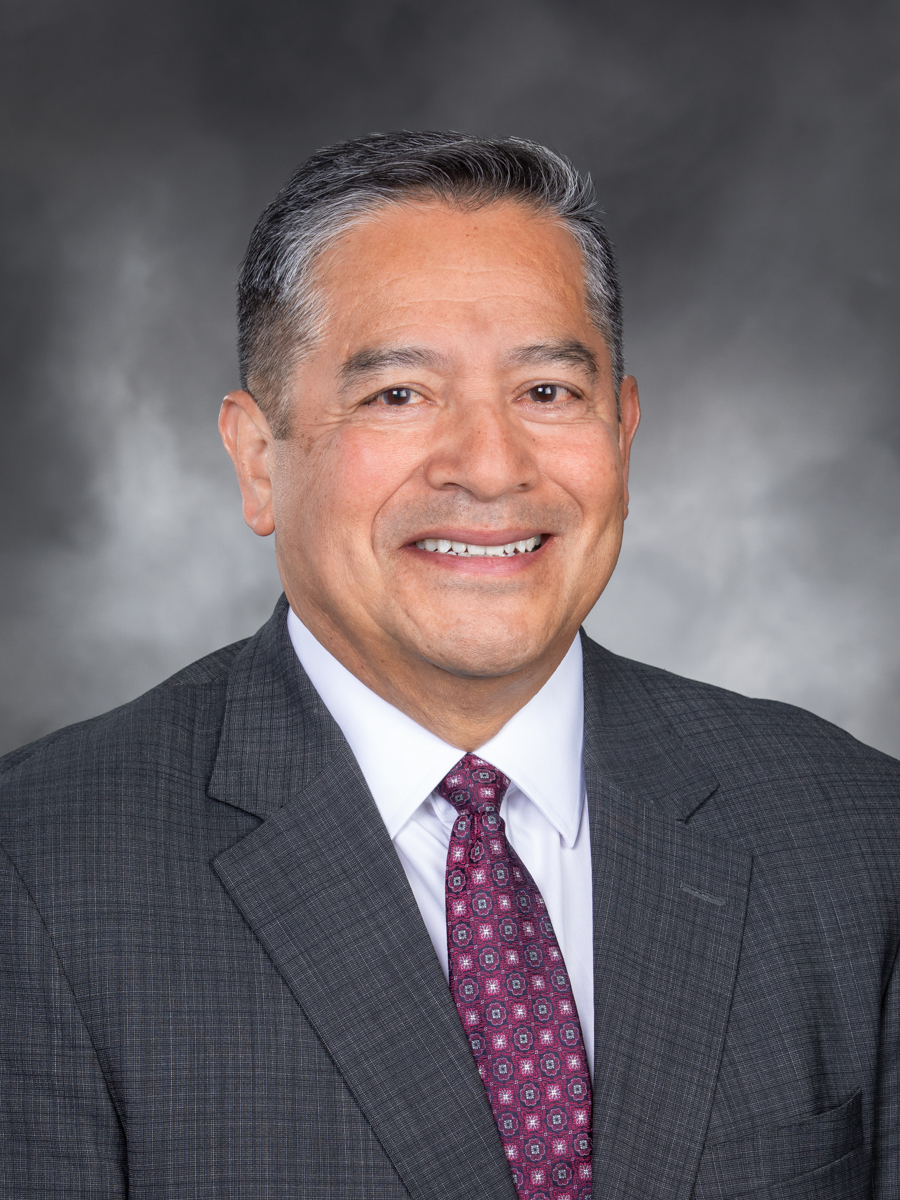
Alex Ybarra
86% support rate
Top opponent
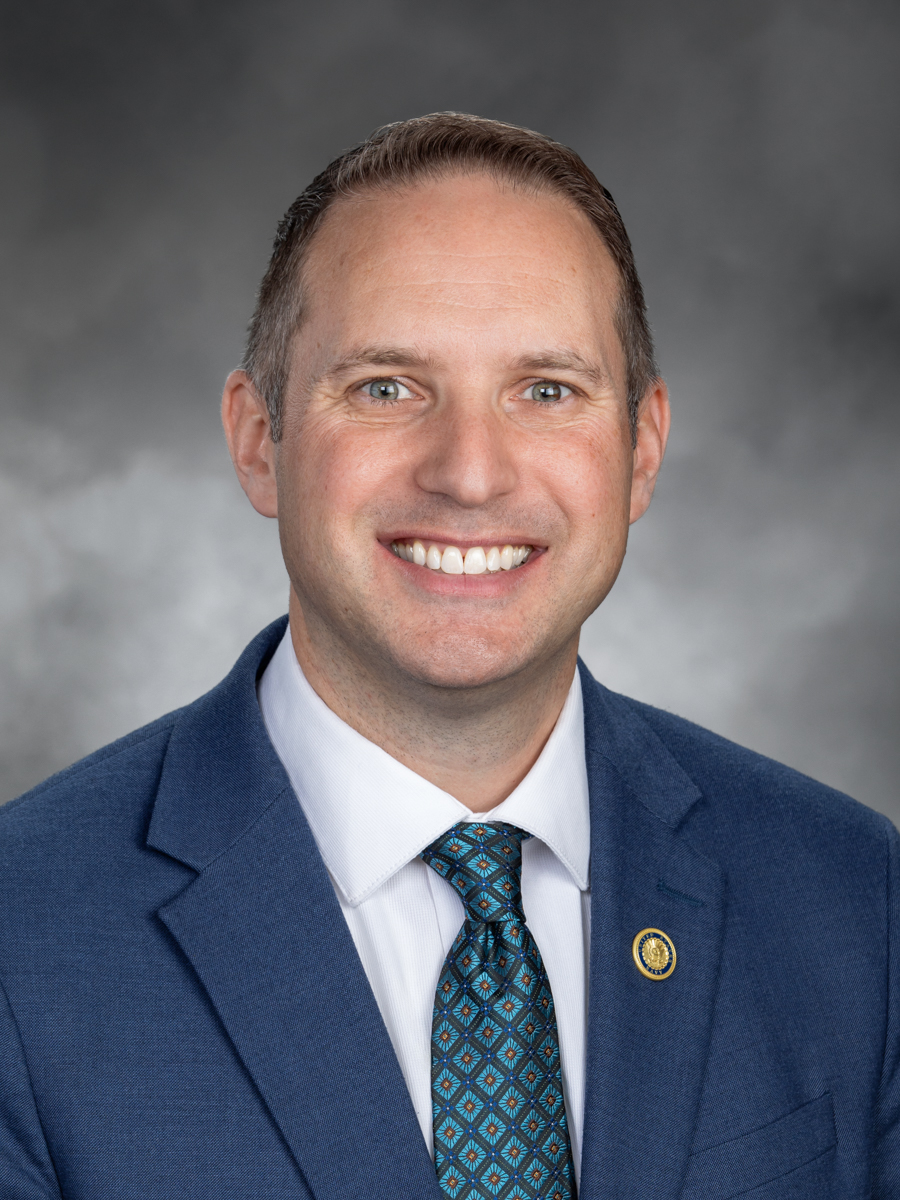
Zach Hall
15% support rate
Ranked legislators
10
5 support · 5 oppose
Key legislators

Who's moving business taxes in Washington

Legislators moving business taxes in Washington
Legislator Party Stance Support rate Votes
Alex Ybarra
Alex Ybarra House · District 13
R
Strong +
86% 91
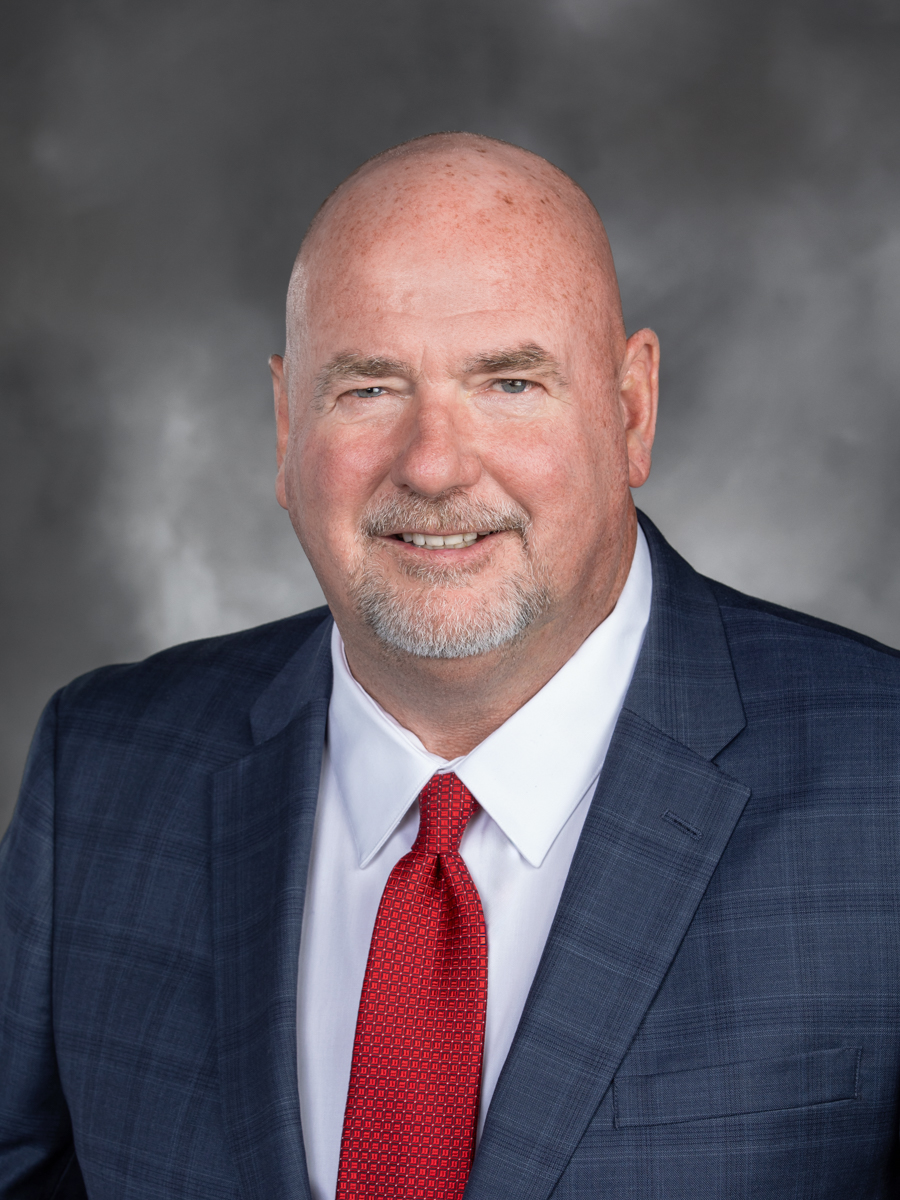
Hunter Abell
Hunter Abell House · District 7
R
Strong +
86% 91
Mark Klicker
Mark Klicker House · District 16
R
Strong +
86% 91
Dave Stuebe
Dave Stuebe House · District 17
R
Strong +
86% 90
Tom Dent
Tom Dent House · District 13
R
Strong +
85% 89
Zach Hall
Zach Hall House · District 5
D
Strong −
15% 78
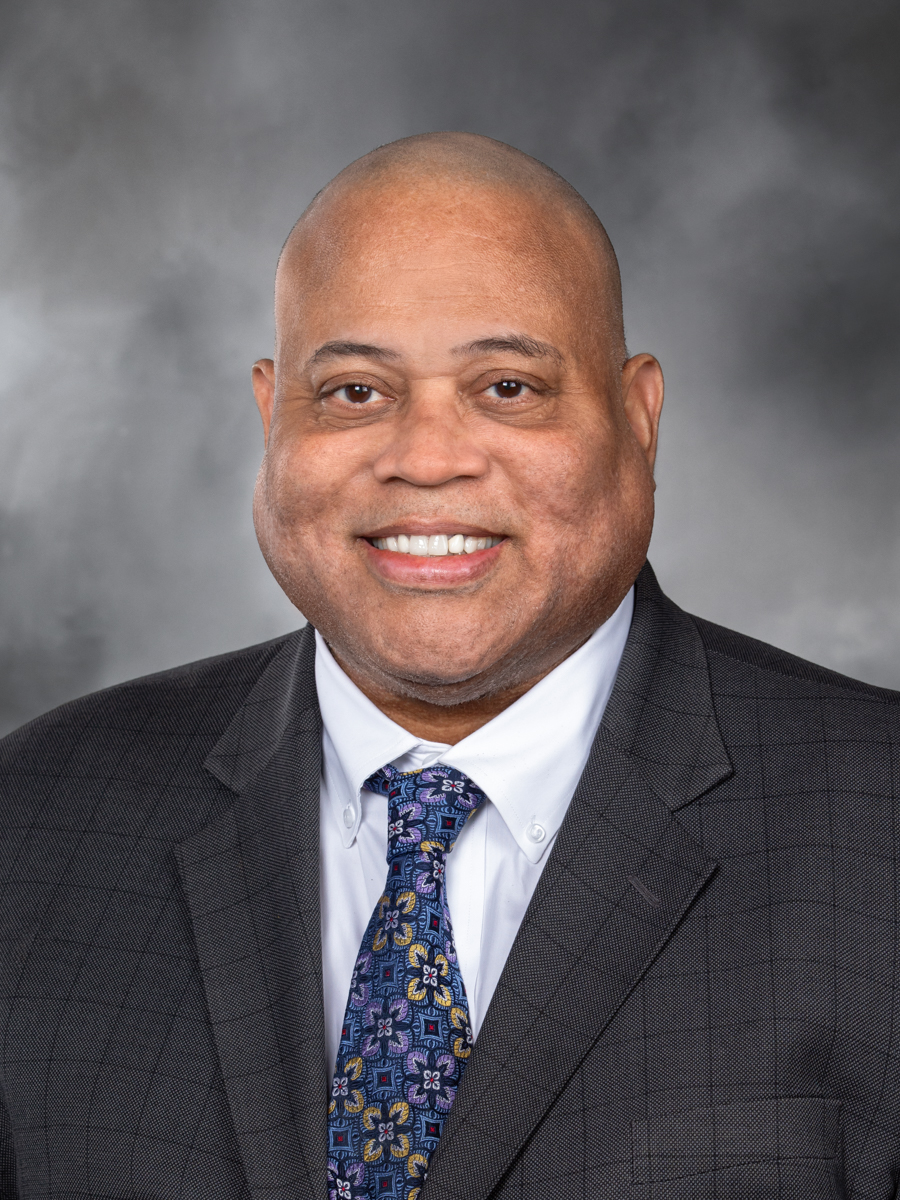
David Hackney
David Hackney House · District 11
D
Strong −
17% 86
Gerry Pollet
Gerry Pollet House · District 46
D
Strong −
18% 91
Shaun Scott
Shaun Scott House · District 43
D
Strong −
18% 91
Shelley Kloba
Shelley Kloba House · District 1
D
Strong −
18% 91
Showing 31–40 of 103 bills

All budget & taxes bills

in committee · Washington · House Feb 6, 2026

HB 2615: Codifying the voluntary disclosure tax program and authorizing temporary tax amnesty.

HB 2615 codifies Washington’s voluntary tax disclosure program and creates a temporary tax amnesty period for eligible taxpayers. It allows businesses to disclose past tax liabilities (for business and occupation, sales, and use taxes) due before July 1, 2026, by filing all required returns and paying full tax amounts by August 17, 2026, with penalties and interest waived. To qualify, taxpayers must not have committed fraud, evasion, or misrepresentation, must not be under audit or in bankruptcy, and must have no prior evasion penalties or criminal tax prosecutions. The program does not waive penalties for tax evasion (RCW 82.32.090) or reseller permit misuse (RCW 82.32.291), and requires full payment of all tax liabilities by October 1, 2026.
in committee · Washington · Senate Feb 5, 2026

SB 6033: Providing a limited waiver of interest and penalties for taxpayers inadvertently failing to collect and remit sales and use taxes on select services.

This bill creates a limited waiver for businesses that accidentally failed to collect and remit sales taxes on specific services defined in a 2025 law (chapter 422). To qualify, taxpayers must pay all owed taxes, file amended returns, maintain a clean 36-month tax compliance record, and have no prior evasion penalties. The waiver expires January 1, 2030, and does not apply to tax periods beginning after 2027 or to errors involving reseller permits. It directly affects businesses that made honest administrative errors on designated services, not the tax liability itself.
in committee · Washington · House Feb 3, 2026

HB 2559: Providing a local government option for the funding of essential affordable housing programs.

HB 2559 allows Washington counties, cities, and towns to impose a local 4% tax on short-term rental lodging (like Airbnb stays) to fund affordable housing programs. The tax revenue must go to a dedicated state account and can be used for acquiring, rehabilitating, or constructing affordable housing, rental assistance, or related support services like job training. Local governments must report annually on how funds are spent and cannot implement the tax before April 2027. This bill directly affects short-term rental operators (who pay the tax) and local governments (which can choose to adopt the tax and manage housing funds).
in committee · Washington · House Jan 28, 2026

HB 2697: Expanding the eligibility for historic preservation property tax special valuation.

HB 2697 expands eligibility for a property tax break that helps owners maintain historic properties by allowing two additional 7-year extensions (totaling 24 years) for properties in cities under 20,000 population, removing the prior requirement for "distressed area" designation. It requires owners to apply 90 days before expiration for extensions, which local review boards may approve or deny at their discretion. The bill directly affects owners of qualifying historic properties in smaller cities, aiming to promote revitalization of historic districts. Extensions cannot be granted after January 1, 2057, and the tax break ends with the property's cost considered as new construction upon termination.
in committee · Washington · Senate Jan 22, 2026

SB 6280: Concerning the taxation of smoking cessation products.

SB 6280 redefines taxable "tobacco products" to explicitly include nicotine pouches (used for cessation), expanding the tax scope beyond traditional tobacco. It directly affects retailers, distributors, and manufacturers selling these products by requiring them to pay state tax on nicotine pouches, which were previously not clearly covered under tobacco tax rules. The bill amends tax calculation rules (Section 20) to clarify how taxable sales prices are determined for affiliated businesses. This changes the tax treatment of nicotine pouches - common smoking cessation aids - from being potentially untaxed to subject to state sales tax under Washington’s tobacco tax system. The bill does not exempt cessation products, as it defines "tobacco products" to include any nicotine-containing product for oral consumption.
in committee · Washington · House Jan 12, 2026

HB 2290: Exempting schools and school districts from retail sales and use tax.

HB 2290 exempts schools and school districts in Washington State from paying retail sales and use taxes on purchases and property use. It directly affects public and private K-12 schools, educational institutions, and programs providing instruction to students through grade 12, regardless of their specific designation. The bill removes sales tax (RCW 82.08.020) from all purchases made by these entities and eliminates use tax obligations (RCW 82.12) for their personal property. This policy change simplifies tax compliance for schools and reduces their operational costs by excluding their purchases from state tax calculations.
signed · Washington · Senate Apr 1, 2026

SB 6228: Removing a tax exemption for the warehousing and reselling of prescription drugs. (REVISED FOR ENGROSSED: Removing a tax exemption for the warehousing and reselling of prescription drugs and providing tax relief for critical access pharmacies.)

SB 6228 removes a tax exemption for businesses that warehouse and resell prescription drugs, making this activity subject to a 0.5% tax on gross income under Washington's business tax code (RCW 82.04.280). It directly affects drug wholesalers and retailers registered with the federal DEA and licensed by Washington's Pharmacy Quality Assurance Commission. The bill repeals the existing exemption (RCW 82.04.272) and adds "warehousing and reselling drugs for human use pursuant to a prescription" to the list of taxable activities. The tax change takes effect January 1, 2027, aiming to increase state general fund revenue.
in committee · Washington · Senate Feb 26, 2026

SB 6211: Creating uniformity for the process by which cities planning under the growth management act implement real estate excise taxes.

SB 6211 standardizes how Washington cities and counties under the Growth Management Act can impose a 0.25% real estate sales tax to fund capital projects. It directly affects local governments by requiring them to use tax revenue exclusively for specific capital projects like streets, parks, airports, and affordable housing/homeless facilities, as defined in the bill. Key mechanisms include mandating voter approval for new taxes in certain areas, restricting fund use to projects in comprehensive plans, and allowing up to 25% of funds for affordable housing initiatives through established collaborations. The bill also preserves existing commitments for pre-1992 debt or projects while requiring documentation of future capital project funding.
in committee · Washington · House Jan 12, 2026

HB 2187: Supporting employers providing child care assistance to employees by establishing a business and occupation and public utility tax credit.

HB 2187 creates a tax credit for Washington employers who provide child care assistance to their employees. It allows businesses to claim a 50% credit against their business and occupation tax for costs paid to registered child care providers, with key limits: a $50,000 annual cap per business and a $5 million statewide annual cap. The credit initially targets small businesses (under 100 full-time employees) and those joining child care consortiums (grouped businesses pooling resources) through 2028, then expands to all qualifying employers starting in 2029. The program expires on January 1, 2033, and requires electronic filing without separate applications.
in committee · Washington · Senate Mar 10, 2026

SB 5949: Concerning taxes imposed on insurers operating within the state.

SB 5949 clarifies a tax exemption for insurers to close a loophole allowing non-insurance businesses (like pharmacy benefit managers) to avoid state business taxes. It amends RCW 82.04.320 to require that only insurers who pay premium taxes to the state can claim the exemption, reversing a 2024 court decision that broadly interpreted the exemption. The bill applies retroactively to tax periods starting October 2, 2019, ensuring businesses that previously avoided taxes under the broad interpretation now comply. It repeals an outdated exemption section (RCW 82.04.322) to streamline tax administration. This change directly affects insurers and businesses previously using the loophole to avoid paying business and occupation taxes.
Showing 31 to 40 of 103 bills
Previous 1 3 4 5 11 Next