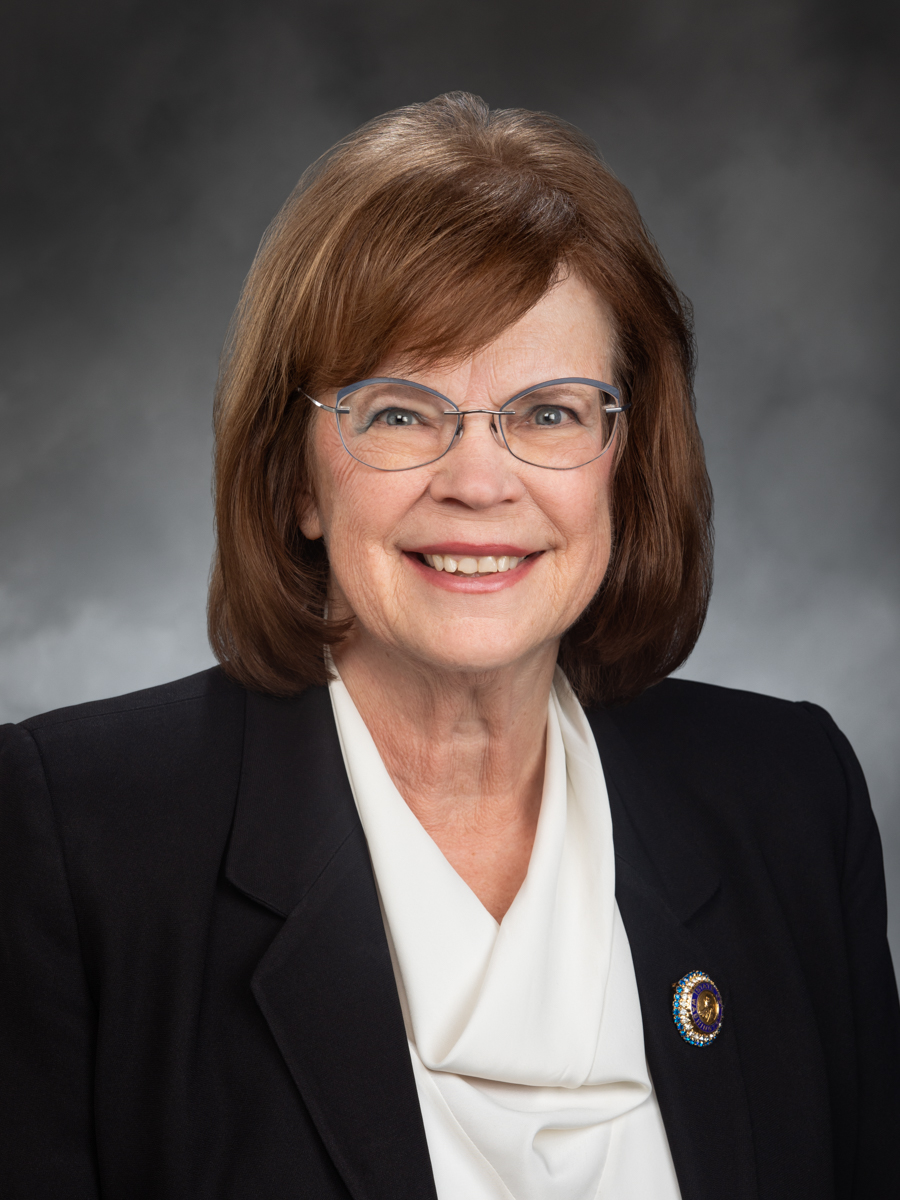
HB 2650 creates a tax deferral program for property owners developing affordable housing on underdeveloped land (like surface parking lots) in qualifying cities. It requires owners to complete construction within three years, offer housing to low/moderate-income households (costing ≤30% of income), and submit verification to cities within 30 days of a certificate of occupancy. Cities must then confirm compliance with affordability and construction standards before the Department of Revenue finalizes the sales/use tax deferral. The bill directly affects property developers, local cities administering the program, and the Department of Revenue. If requirements aren’t met, cities can deny the deferral or require interest on nonqualifying taxes.
Washington State's SB 6327 would exempt both baby and adult diapers from the state's sales and use tax starting October 1, 2026. This applies to all diapers (washable or disposable) worn by people of any age who require incontinence products, directly reducing costs for families purchasing these essential items. The bill amends Washington's tax codes (chapters 82.08 and 82.12 RCW) to remove these products from taxable sales and use categories. The legislature states this permanent tax change aims to lessen the financial burden on Washington households.
SB 6283 provides a sales and use tax exemption for qualifying farm machinery and equipment purchased by eligible Washington farmers. It directly affects farmers whose combined gross sales or harvested value of agricultural products (including bee pollination services) does not exceed $2 million in the previous tax year, adjusted annually for inflation after 2031. The exemption covers equipment like tractors, combines, and irrigation tools used in crop or livestock production, but excludes road vehicles and motorcycles. The tax break expires on October 1, 2036, and applies to purchases made on or after October 1, 2026.
SB 6201 creates a property tax exemption for housing units classified as "affordable" when owned or operated by social housing agencies in Washington State. The bill amends tax code sections to exclude qualifying affordable housing properties from standard property tax calculations, directly benefiting social housing agencies and their tenants. Key provisions require properties to meet affordability standards (likely defined in other state regulations) and be managed by eligible agencies to qualify for the exemption. This policy change reduces operational costs for social housing providers without altering existing tax structures for other property types.
HB 2697 expands eligibility for a property tax break that helps owners maintain historic properties by allowing two additional 7-year extensions (totaling 24 years) for properties in cities under 20,000 population, removing the prior requirement for "distressed area" designation. It requires owners to apply 90 days before expiration for extensions, which local review boards may approve or deny at their discretion. The bill directly affects owners of qualifying historic properties in smaller cities, aiming to promote revitalization of historic districts. Extensions cannot be granted after January 1, 2057, and the tax break ends with the property's cost considered as new construction upon termination.
SB 5970 makes permanent a 2017 property tax exemption for multipurpose senior citizen centers in Washington State. The bill ensures these centers, which provide services like meals and social programs for older adults, will continue to qualify for a property tax break without needing annual legislative renewal. It specifically clarifies that the existing tax preference (created in 2017) is not subject to a general tax code provision (RCW 82.32.805). This change provides long-term financial stability for these community facilities without altering eligibility or creating new requirements.
SB 6256 creates a property tax exemption for unoccupied real estate owned by nonprofit entities that will be used for affordable housing within three years. It directly affects nonprofits planning to develop or renovate housing for households earning at or below 50% of the area median income (as defined by HUD). Key provisions require nonprofits to secure financing from specified sources (like state housing programs or affordable housing levies) and maintain at least 75% occupancy by qualifying households to qualify for full exemption. Partial exemptions apply if occupancy falls below 75%, calculated based on the proportion of qualifying units. The bill expands existing exemptions to cover unoccupied properties during development or renovation, ensuring tax relief aligns with future affordable housing use.
HB 2297 creates incentives to support grocery stores in underserved communities across Washington, directly affecting low-income residents, communities of color, rural populations, immigrants, refugees, and people with limited transportation access. The bill requires cities to adopt model tax ordinances that reduce structural cost barriers for grocery retailers through mechanisms like tax credits and standardized small business thresholds. It aims to preserve existing stores and encourage new development in areas where market forces have failed to provide adequate food access, with the goal of strengthening local jobs and neighborhood stability. The legislation focuses on concrete policy changes to address food access barriers, not on speculative outcomes.
SB 6316 creates a property tax exemption for seniors (61+), disabled retirees, and veterans with a 40%+ VA disability rating. It exempts $150,000 of a home's assessed value from property taxes for households with combined income under $65,000, applying to taxes levied starting in 2027. To qualify, applicants must live in the home as their primary residence, meet income limits, and file annual renewal forms by June 30. The exemption is in addition to existing homestead exemptions and requires renewal every six years. This directly affects eligible homeowners by reducing their annual property tax burden.
SB 6228 removes a tax exemption for businesses that warehouse and resell prescription drugs, making this activity subject to a 0.5% tax on gross income under Washington's business tax code (RCW 82.04.280). It directly affects drug wholesalers and retailers registered with the federal DEA and licensed by Washington's Pharmacy Quality Assurance Commission. The bill repeals the existing exemption (RCW 82.04.272) and adds "warehousing and reselling drugs for human use pursuant to a prescription" to the list of taxable activities. The tax change takes effect January 1, 2027, aiming to increase state general fund revenue.