Issue · Budget & Taxes

Budget & Taxes (Sales Tax)

Every budget & taxes bill, vote, and legislator stance in Washington, automatically classified by Maddy, our AI policy reader.

Total bills
146
2025-2026 Regular Session
Top supporter
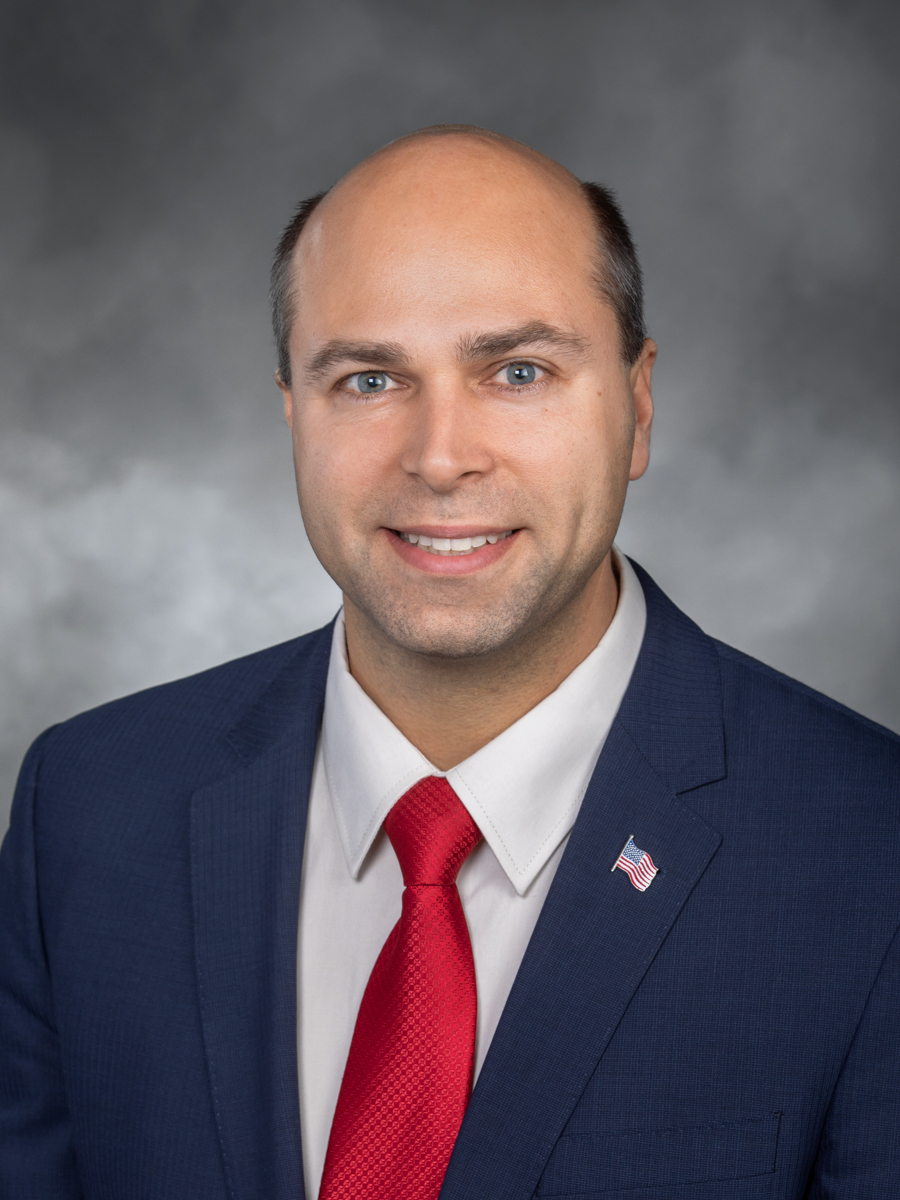
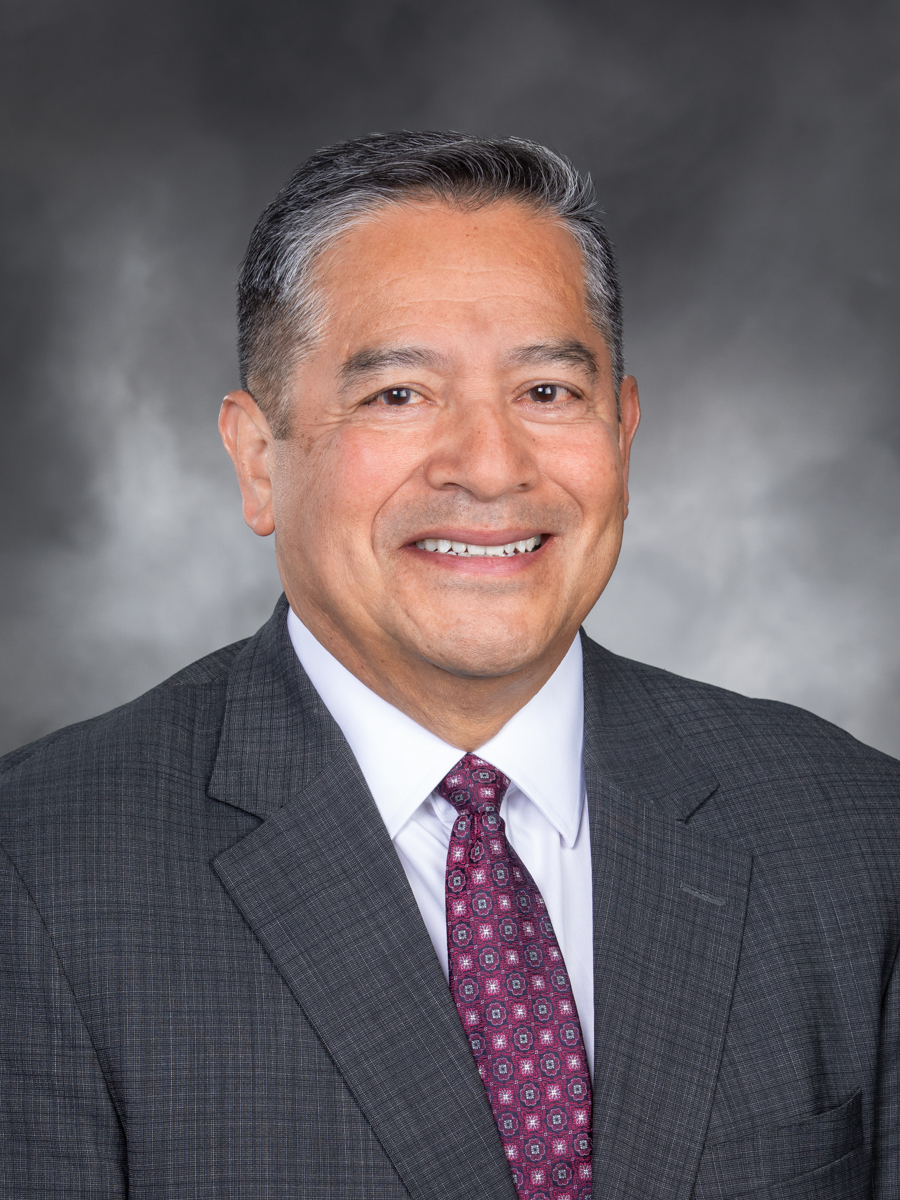
Andrew Engell
87% support rate
Top opponent
Zach Hall
11% support rate
Ranked legislators
10
5 support · 5 oppose
Key legislators

Who's moving sales tax in Washington

Legislators moving sales tax in Washington
Legislator Party Stance Support rate Votes
Andrew Engell
Andrew Engell House · District 7
R
Strong +
87% 79
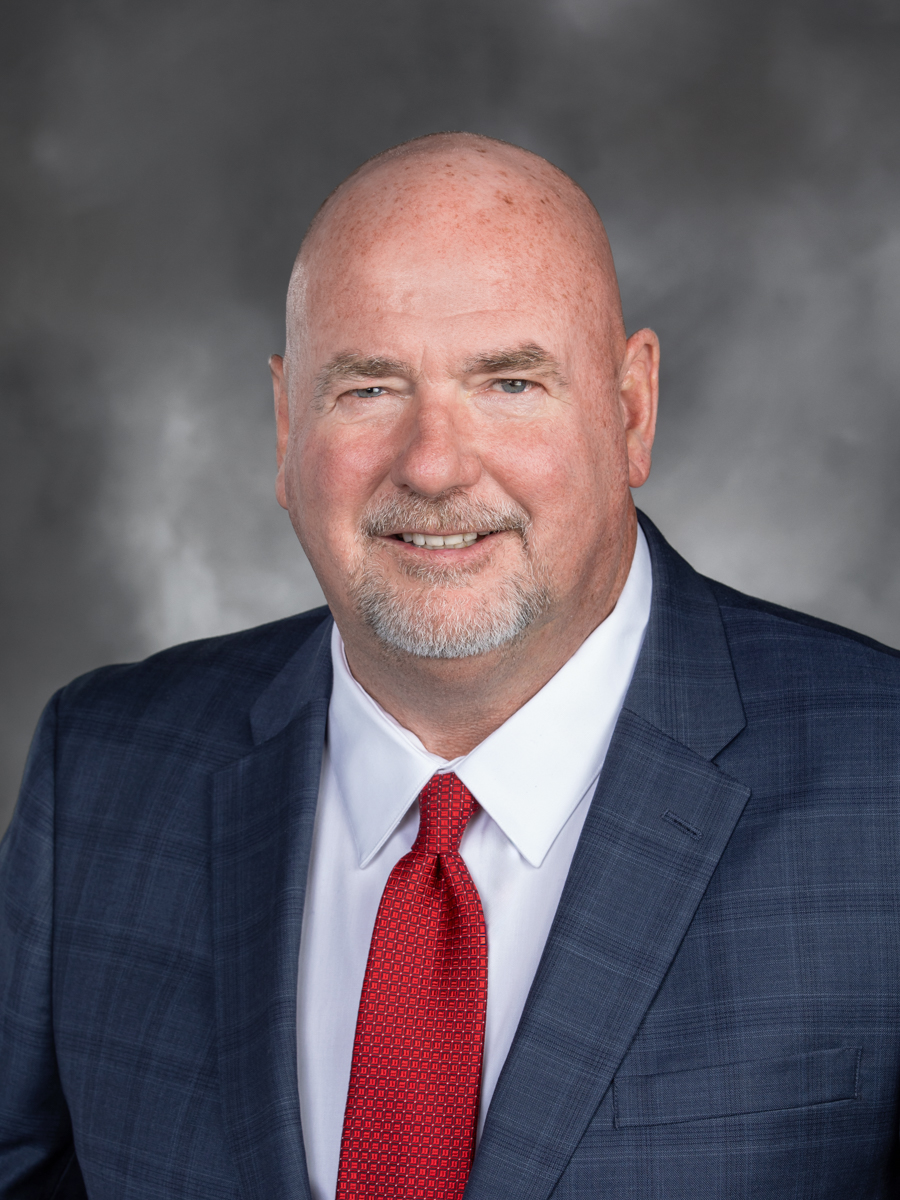
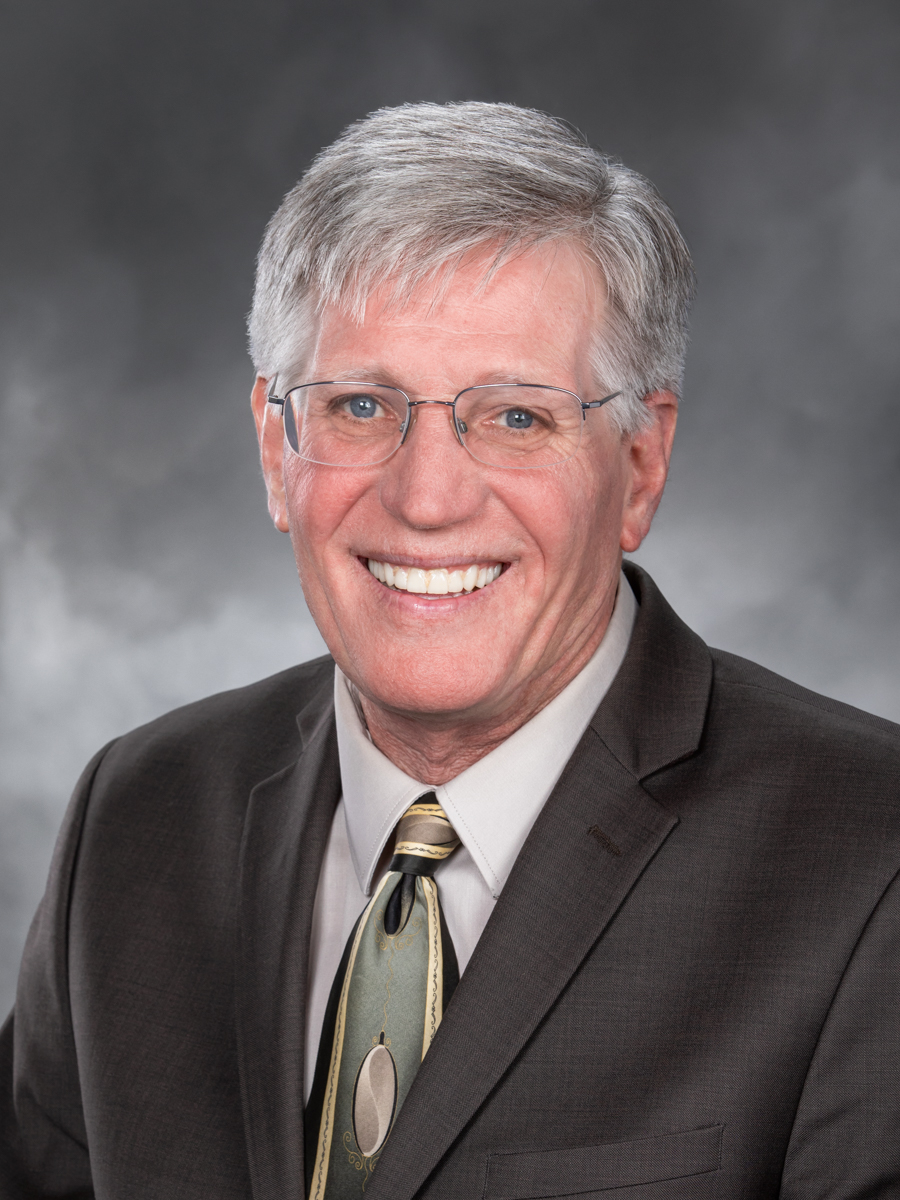
Dave Stuebe
Dave Stuebe House · District 17
R
Strong +
87% 79
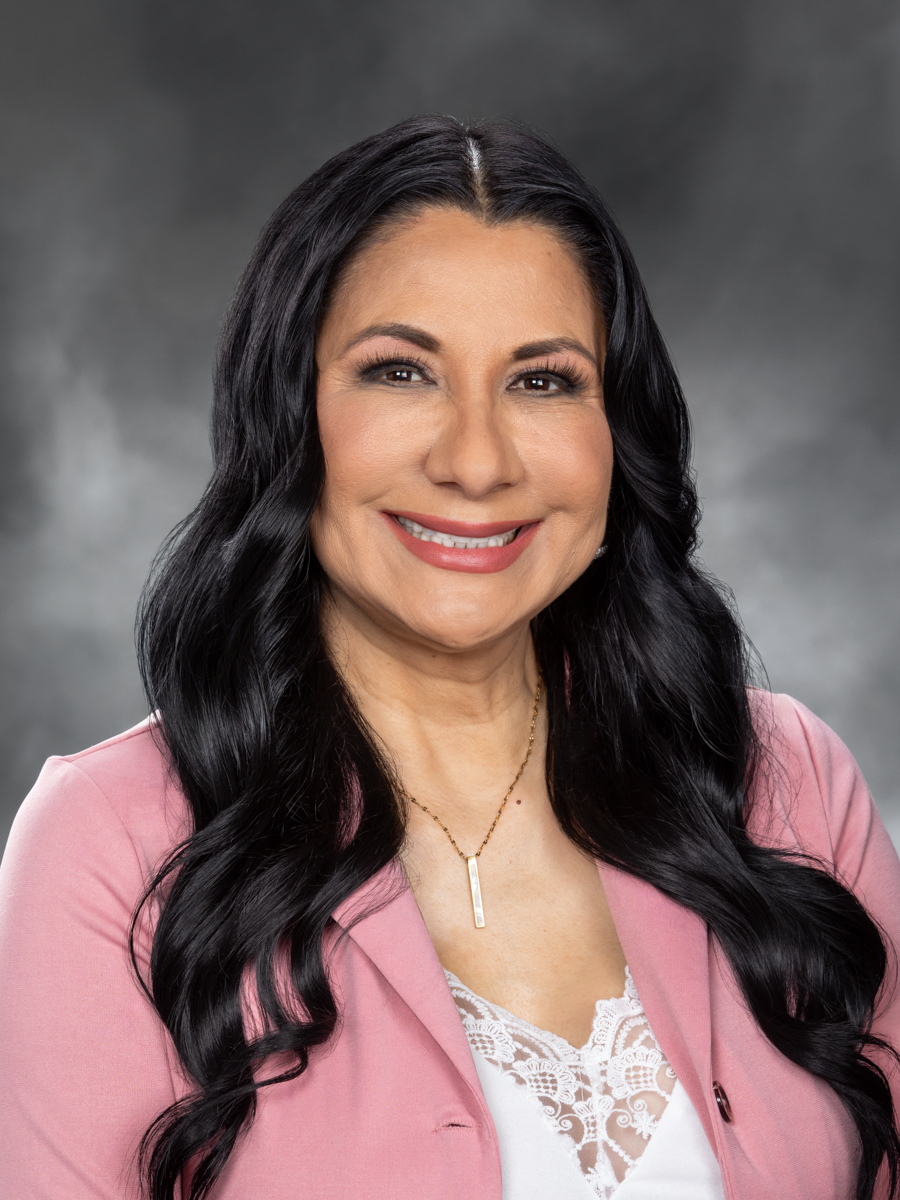
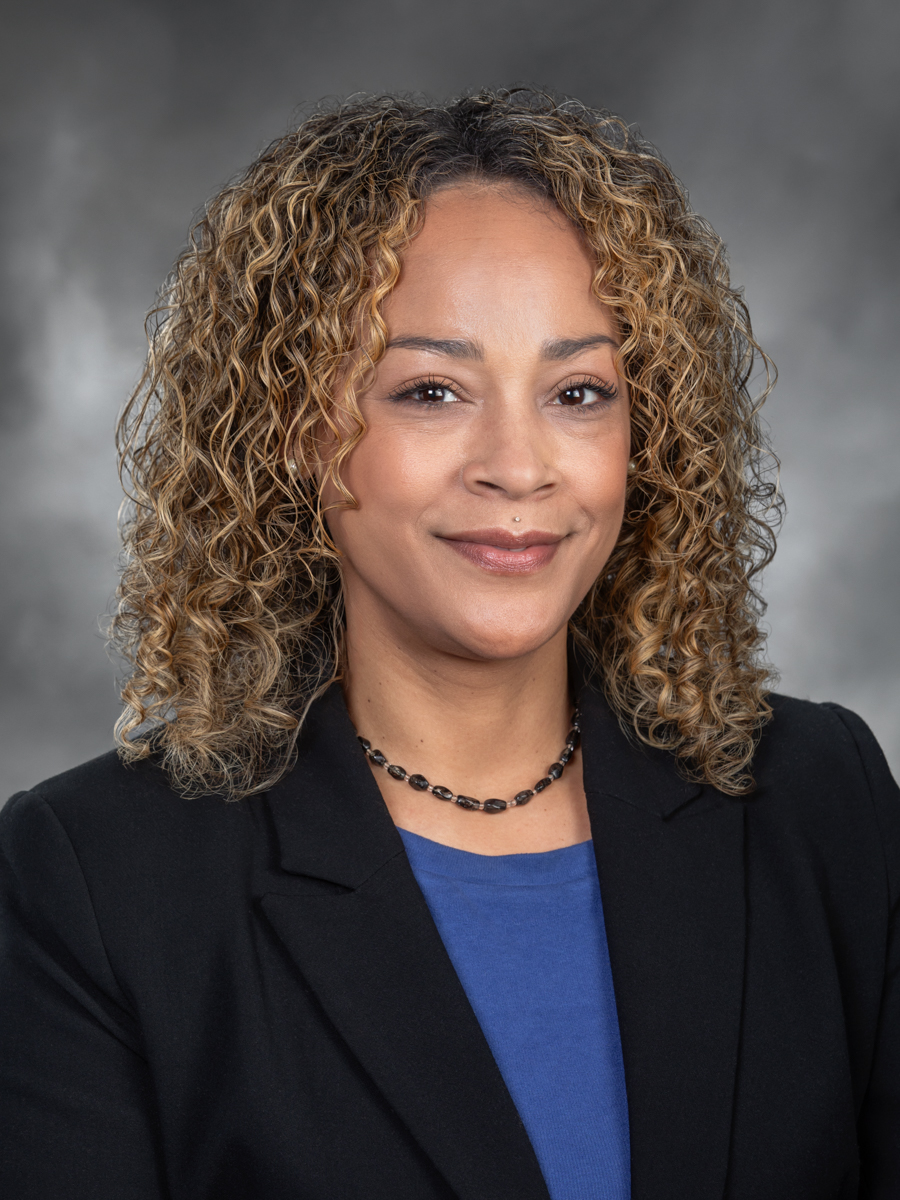
Gloria Mendoza
Gloria Mendoza House · District 14
R
Strong +
87% 78
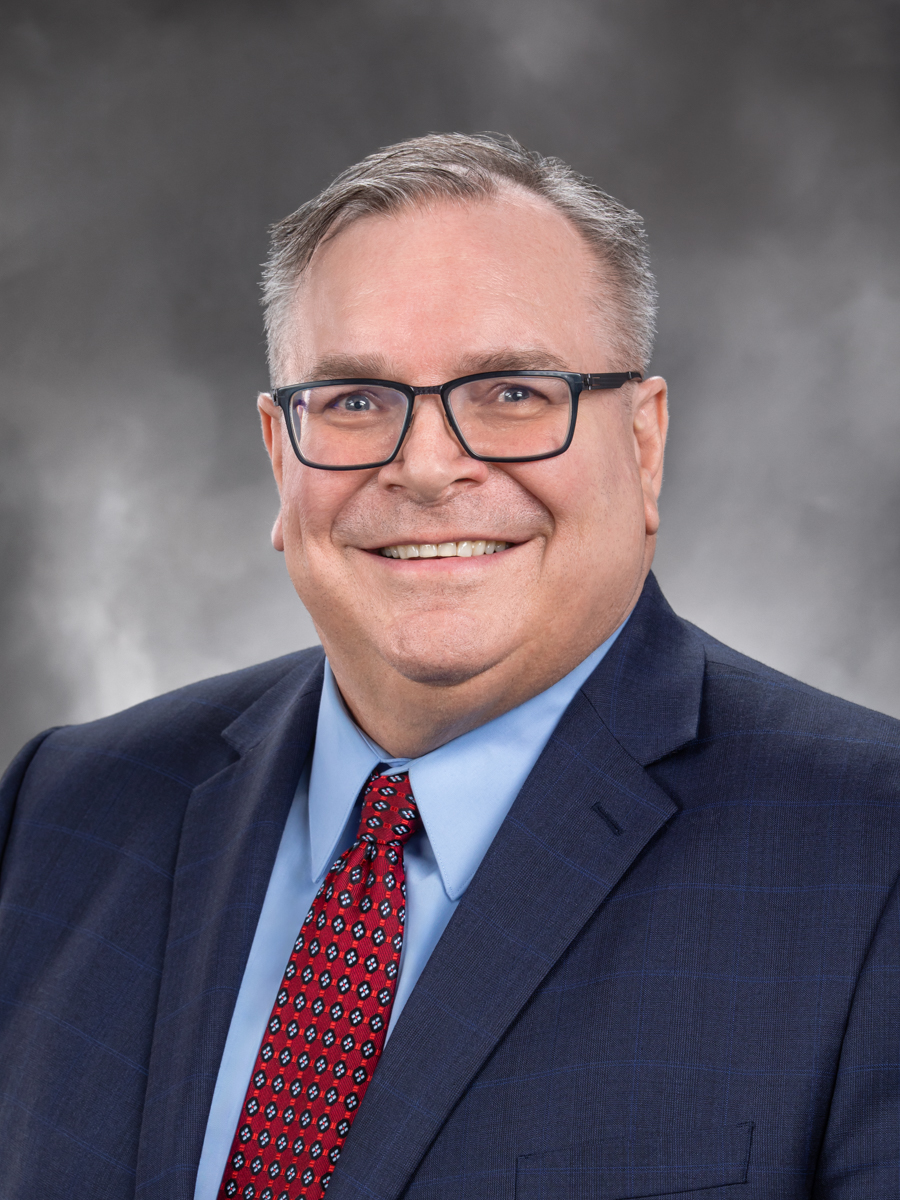
Mike Volz
Mike Volz House · District 6
R
Strong +
87% 52
Alex Ybarra
Alex Ybarra House · District 13
R
Strong +
86% 79
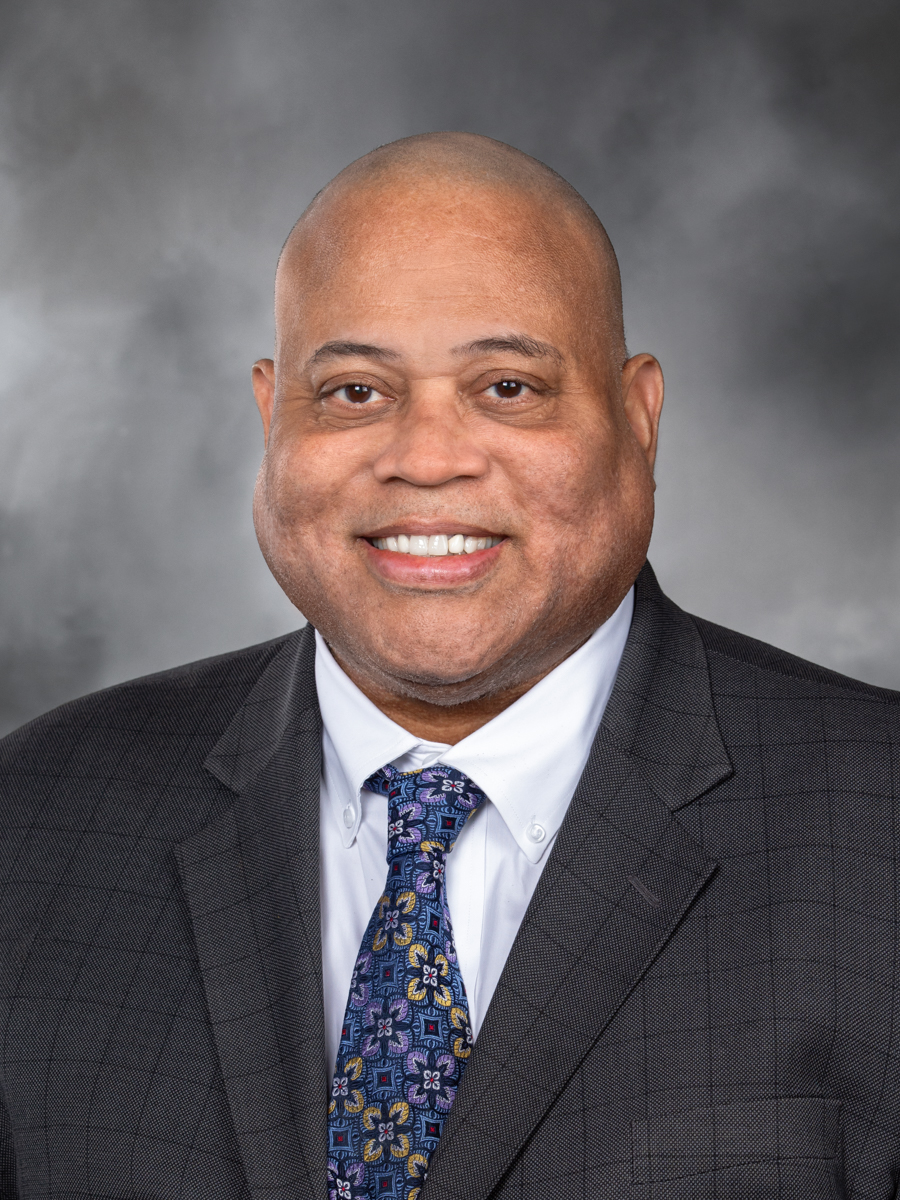
Zach Hall
Zach Hall House · District 5
D
Strong −
11% 74
David Hackney
David Hackney House · District 11
D
Strong −
14% 74
Mary Fosse
Mary Fosse House · District 38
D
Strong −
14% 78
Natasha Hill
Natasha Hill House · District 3
D
Strong −
14% 78
Timm Ormsby
Timm Ormsby House · District 3
D
Strong −
14% 77
Showing 11–20 of 146 bills

All budget & taxes bills

in committee · Washington · House Jan 13, 2026

HB 2424: Exempting temporary staffing services from retail sales tax.

HB 2424 would exempt temporary staffing services from Washington's retail sales tax. The bill amends state tax code to specifically exclude temporary staffing services from the definition of "sale at retail," meaning businesses hiring temporary workers would no longer pay sales tax on these services. This directly affects temporary staffing companies and their business clients who purchase these services. The change would simplify tax obligations for these businesses by removing a tax previously applied to temporary staffing fees. The bill is currently in committee referral after its first reading.
in committee · Washington · House Jan 21, 2026

HB 2609: Exempting vapor products from the tobacco products tax.

HB 2609 exempts vapor products from Washington State's tobacco products tax by amending the definition of "tobacco products" in tax law (RCW 82.26.010) to explicitly exclude vapor products as defined in RCW 70.345.010. This change directly affects vapor product sellers and consumers, removing an existing tax burden on these products. The bill modifies the tax code's definition to clarify that vapor products are not considered taxable tobacco products, aligning with existing state regulations for vapor products. No new tax rates or fees are created; the policy change solely removes vapor products from the current tobacco tax framework.
Sub-Topics Sales Tax
in committee · Washington · House Feb 4, 2026

HB 2528: Creating uniformity for the process by which cities planning under the growth management act implement real estate excise taxes.

HB 2528 standardizes how cities and counties under Washington’s Growth Management Act can impose a 0.25% real estate sales tax to fund capital projects. It requires tax revenue to be used exclusively for specific infrastructure like roads, parks, airports, and affordable housing projects, with limits on how much can fund homelessness housing (capped at 25% of funds or $100,000, whichever is greater). Cities must identify these projects in their budget and may need voter approval for new taxes, while ensuring funds align with comprehensive planning requirements. The bill updates existing law to create uniform rules across jurisdictions, replacing inconsistent local approaches.
signed · Washington · Senate Apr 1, 2026

SB 6231: Removing a tax exemption for the replacement of equipment for data centers.

SB 6231 removes a tax exemption that previously allowed data centers to avoid sales tax on equipment replacements. This directly affects data center operators and tenants who currently benefit from the exemption, ending new applications after July 1, 2026, and requiring existing exemption holders to meet new job creation rules. Specifically, data centers must demonstrate a net increase of 35 family-wage jobs (or 3 per 20,000 sq ft) to maintain their exemption, with the requirement applying to both owners and tenants. All existing exemptions for equipment replacement will expire by July 1, 2048, and no new exemptions can be issued after 2026. The bill aims to generate state revenue by ending this tax preference while tying existing benefits to job growth requirements.
in committee · Washington · House Jan 27, 2026

HB 2227: Providing a real estate excise tax exemption for the sale of qualified affordable housing.

HB 2227 would exempt sales of "qualified affordable housing" from Washington's real estate excise tax. This bill amends the state's tax code (RCW 82.45.010) to create this specific exemption for qualifying affordable housing properties. The exemption directly affects sellers of eligible affordable housing units, reducing their tax burden when selling such properties. The bill is currently pending in the House Finance Committee after being prefaced in December 2025.
in committee · Washington · Senate Jan 12, 2026

SB 6012: Exempting schools from retail sales tax imposed on certain services.

SB 6012 exempts schools (both public and private) from paying Washington's retail sales tax on certain services they purchase for operational use, such as cleaning, repairs, or maintenance. The bill amends state tax law (RCW 82.04.050) to exclude these school-purchased services from the definition of "retail sale," removing the tax obligation for schools. This change directly affects schools by reducing their operational costs for essential services, without altering tax treatment for other businesses. The bill is currently pending in committee after being prefaced for introduction in January 2026.
in committee · Washington · House Jan 15, 2026

HB 2502: Improving local government funding by removing certain sales and use tax exemptions.

HB 2502 removes sales tax exemptions for certain products and services that currently only exclude state sales tax but not local sales tax. This change will increase revenue for local governments (cities and counties) by requiring these items to pay both state and local sales taxes. The bill specifically targets exemptions listed in the tax code that previously allowed businesses to avoid paying local taxes on qualifying purchases. As a result, local governments will gain additional funding to support essential services like roads, public safety, and community programs.
Sub-Topics Business Taxes Sales Tax Tax Incentives Tags Local Government
in committee · Washington · House Jan 30, 2026

HB 2707: Removing a tax exemption for the warehousing and reselling of prescription drugs.

HB 2707 ends a tax exemption for drug wholesalers and retailers that warehouse and resell prescription drugs, requiring them to pay a 0.5% tax on their gross income starting January 1, 2027. The bill directly affects businesses registered with the federal Drug Enforcement Administration and licensed by Washington’s Pharmacy Quality Assurance Commission. It repeals the existing tax exemption (RCW 82.04.272) and adds the activity to the state’s taxable business list under RCW 82.04.280. The change aims to generate revenue for state services by updating outdated tax preferences.
in committee · Washington · House Feb 5, 2026

HB 2583: Concerning authority to impose local excise taxes on lodging.

HB 2583 amends Washington state law to clarify and limit local governments' authority to impose excise taxes on lodging. It sets specific rate caps: the combined lodging tax rate (including all local taxes) cannot exceed 12% for most areas, or 15.2% for large cities in populous counties. The bill grandfathered existing higher tax rates for municipalities that had them before 1997 or 1998, while prohibiting new taxes in counties with pre-existing rates above 4%. It also allows public facilities districts to impose a separate 2% lodging tax, but only for public facilities and with voter approval if not previously collected. This directly affects cities, counties, and public facilities districts seeking to levy or adjust lodging taxes.
in committee · Washington · House Jan 27, 2026

HB 2313: Concerning publicly owned grocery stores.

HB 2313 authorizes Washington cities to establish publicly owned grocery stores in underserved areas with food access gaps. Cities can acquire property (including via eminent domain), apply for state capital grants covering building rehabilitation and 24-hour "food locker systems," and use tax increment financing to fund store development and infrastructure. The bill requires annual reporting on financial status, community access, jobs created, and for third-party operated stores, sales data and compliance with contractual benchmarks like local produce sourcing. This directly affects cities seeking to address food insecurity through municipal grocery initiatives.
Sub-Topics Sales Tax
Showing 11 to 20 of 146 bills