Issue · Budget & Taxes

Budget & Taxes (Sales Tax)

Every budget & taxes bill, vote, and legislator stance in Washington, automatically classified by Maddy, our AI policy reader.

Total bills
16
2025-2026 Regular Session
Top supporter
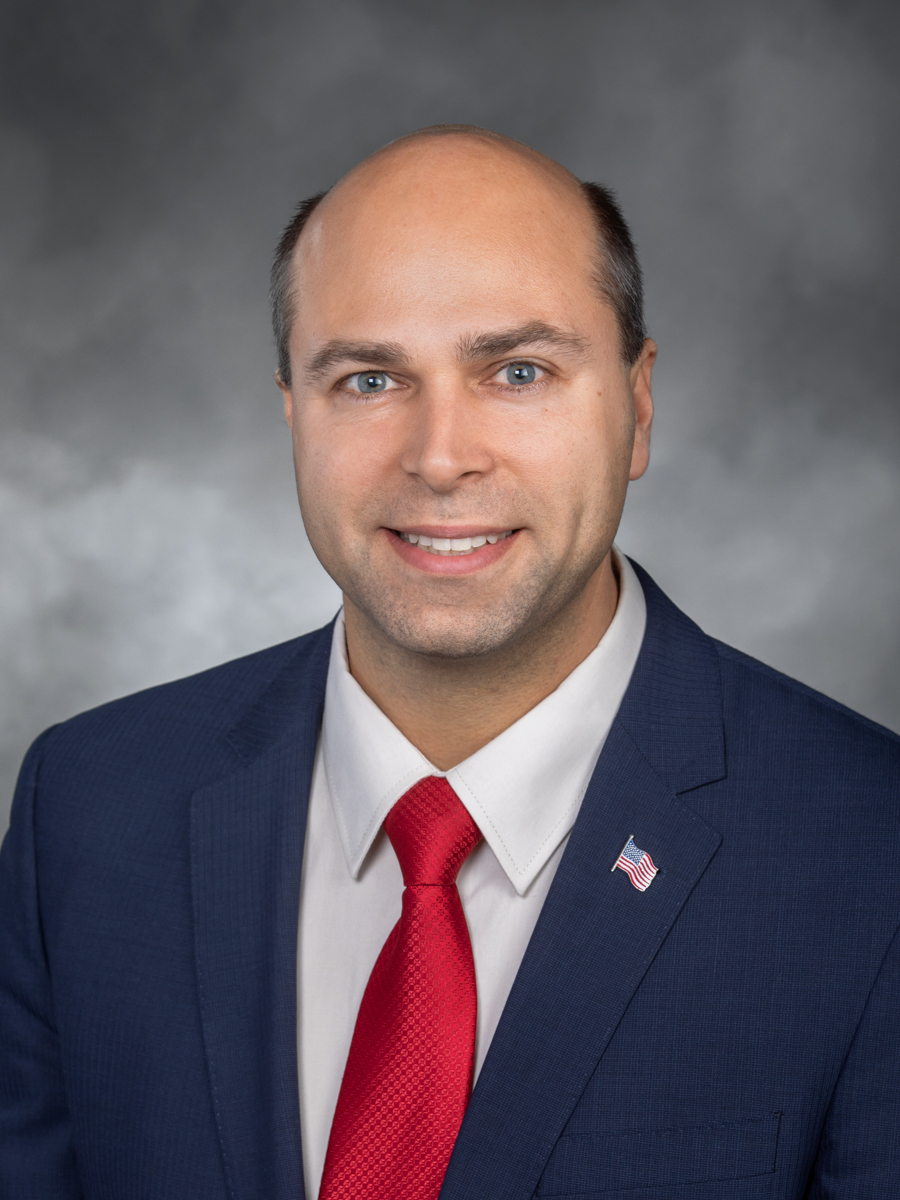
Andrew Engell
87% support rate
Top opponent
Zach Hall
11% support rate
Ranked legislators
10
5 support · 5 oppose
Key legislators

Who's moving sales tax in Washington

Legislators moving sales tax in Washington
Legislator Party Stance Support rate Decisive votes
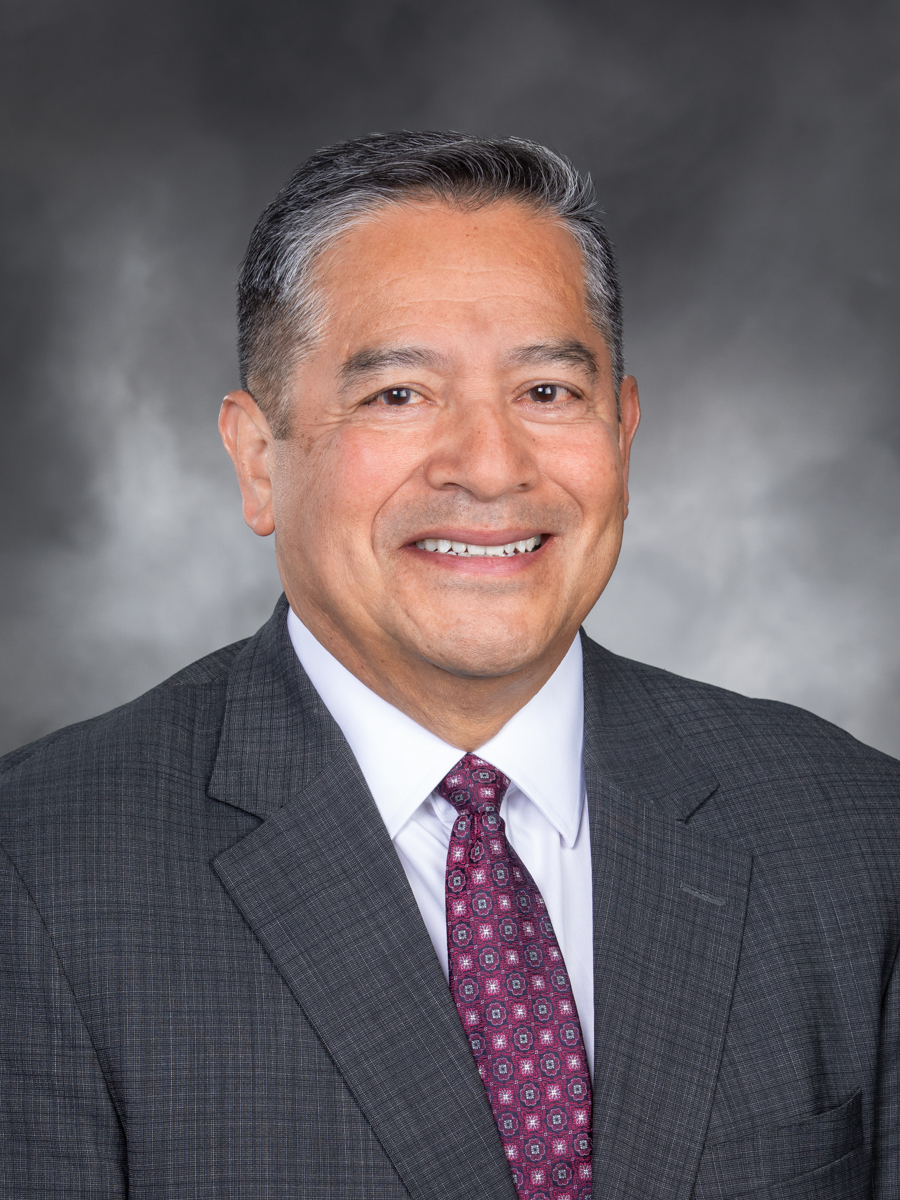
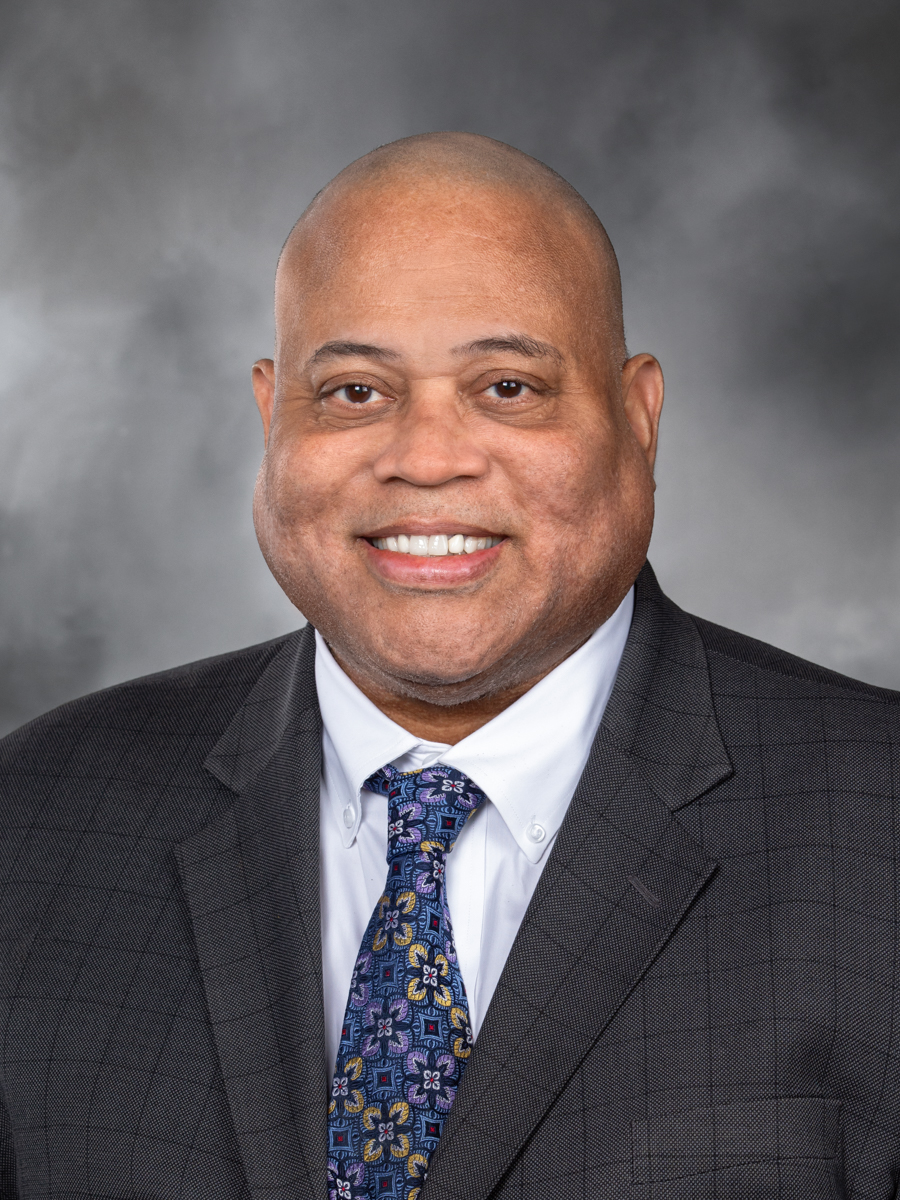
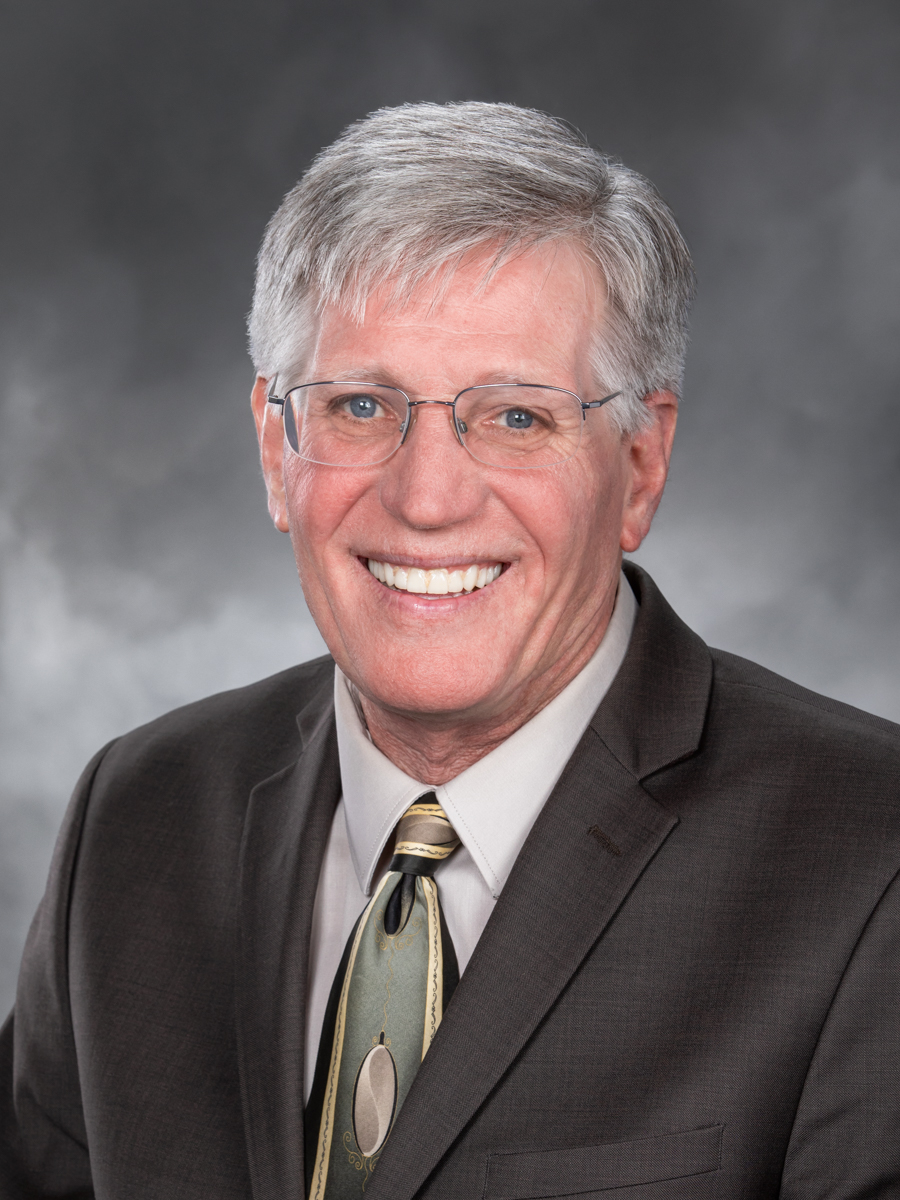
Andrew Engell
Andrew Engell House · District 7
R
Strong +
87% 79
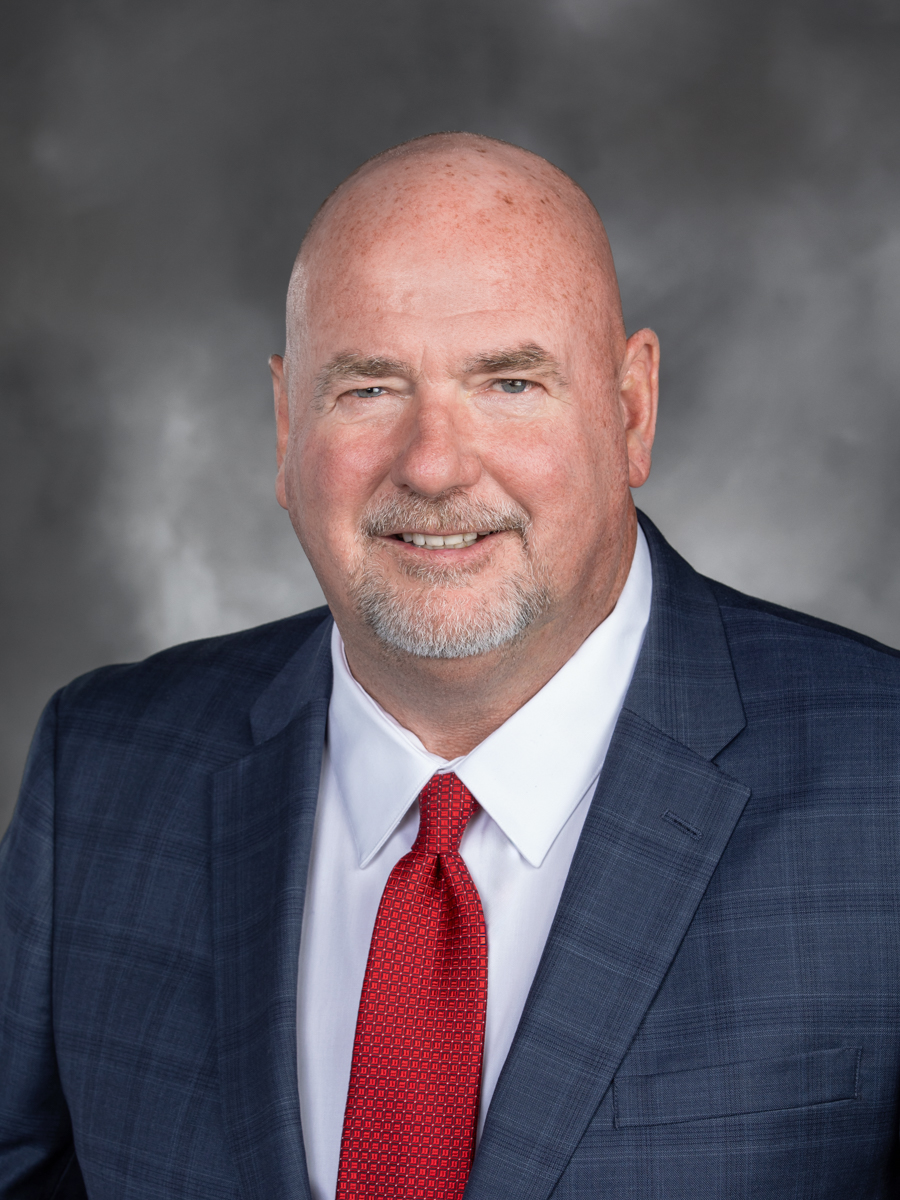
Dave Stuebe
Dave Stuebe House · District 17
R
Strong +
87% 79
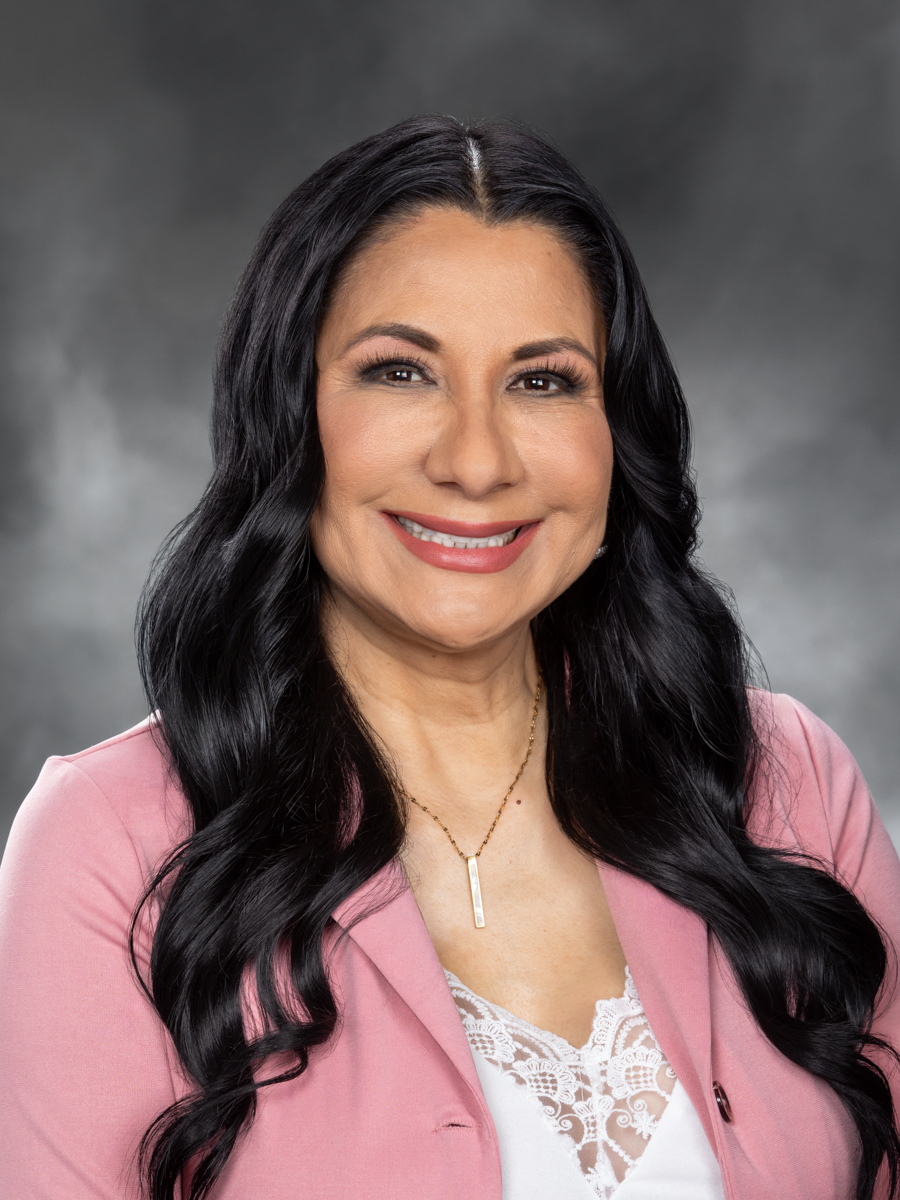
Gloria Mendoza
Gloria Mendoza House · District 14
R
Strong +
87% 78
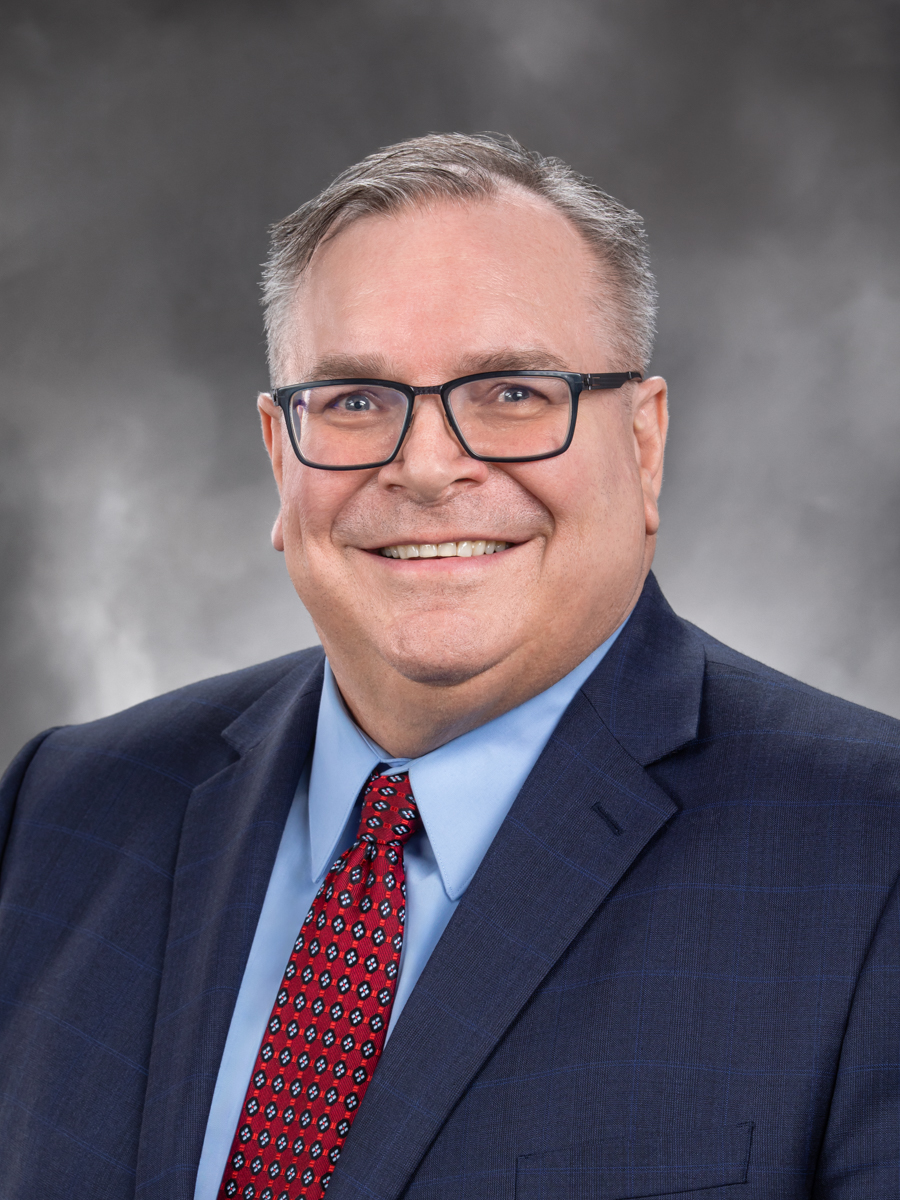
Mike Volz
Mike Volz House · District 6
R
Strong +
87% 52
Alex Ybarra
Alex Ybarra House · District 13
R
Strong +
86% 79
Zach Hall
Zach Hall House · District 5
D
Strong −
11% 74
David Hackney
David Hackney House · District 11
D
Strong −
14% 74
Mary Fosse
Mary Fosse House · District 38
D
Strong −
14% 78
Natasha Hill
Natasha Hill House · District 3
D
Strong −
14% 78
Timm Ormsby
Timm Ormsby House · District 3
D
Strong −
14% 77
Showing 11–16 of 16 bills

All budget & taxes bills

in committee · Washington · House Jan 12, 2026

HB 1115: Concerning the excise tax treatment of amounts received by title and escrow businesses from clients for remittance to a county filing office for the purpose of recording documents.

HB 1115 clarifies that recording surcharges paid by clients to title and escrow businesses for document recording fees are not subject to Washington's sales, use, or business and occupation taxes. The bill directly affects title companies and escrow businesses, which were previously assessed back taxes for failing to collect these taxes on surcharges. It explicitly states that such surcharges - determined by a court to be an excise tax (not a fee) - cannot be taxed under state law. The law aims to prevent future tax assessments against these small businesses, resolving uncertainty created by the Department of Revenue's enforcement actions.
Sub-Topics Sales Tax
in committee · Washington · House Jan 12, 2026

HB 1924: Providing a sales and use tax exemption for manufacturing facilities and green manufacturing facilities.

HB 1924 provides a sales and use tax exemption for manufacturing facilities and green-certified manufacturing facilities in Washington State, covering construction materials, equipment, labor, and services used in building or renovating these facilities. To qualify, facilities must apply for an exemption certificate with the state department, maintain annual tax performance reports, and green facilities must hold sustainability certification from a recognized organization. The exemption requires valid certificates (expiring after two years unless construction begins) and ends for new applications after July 1, 2035, with all exemptions expiring January 1, 2036. This policy directly affects manufacturers seeking cost savings on facility construction and renovations, while requiring compliance with application and reporting rules.
in committee · Washington · Senate Jan 12, 2026

SB 5675: Providing a business and occupation tax exemption for manufacturing facilities and green manufacturing facilities.

SB 5675 exempts qualifying manufacturing facilities and certified green manufacturing facilities from Washington's business and occupation tax. A "green manufacturing facility" must be certified by a state or nationally recognized organization for sustainability, while a "manufacturing facility" follows standard definitions under state law. The exemption applies directly to eligible businesses meeting these criteria and expires January 1, 2036. This policy change reduces tax obligations for qualifying manufacturers without altering broader tax structures.
in committee · Washington · House Jan 12, 2026

HB 2080: Prohibiting the Tesla tax or any other tax that applies to only one individual, business, or entity or a group of individuals affiliated with a singular business or entity.

House Bill 2080 aims to prevent the Washington state legislature from enacting taxes that specifically target a single individual, business, or entity. The bill prohibits the assessment of any new excise tax if it is intended to, or has the effect of, applying only to one specific individual, business, or a group of individuals affiliated with a singular business. This measure would ensure that state tax policy provides for common welfare rather than being used to target particular entities. It affects the state's ability to levy highly specific taxes and protects individual businesses from such targeted taxation.
in committee · Washington · Senate Jan 12, 2026

SB 5264: Modifying retail taxes compacts between the state of Washington and federally recognized tribes located in Washington state by increasing the revenue-sharing percentages when a compacting tribe has completed a qualified capital investment.

SB 5264 modifies tax compacts between Washington State and federally recognized tribes by increasing revenue-sharing percentages for tribes that complete qualified capital investments. It directly affects tribes with existing compacts, requiring the state to pay them 100% of state sales/use tax revenue above a $500,000 annual cap (instead of 25%) on transactions not meeting "new development" requirements, starting in the fourth year after the compact's effective date. The bill also establishes processes for verifying capital investments, resolving disputes, and maintaining confidentiality of tax records. This change aims to incentivize tribal infrastructure projects while clarifying revenue distribution terms under current compacts.
Sub-Topics Revenue Sales Tax
in committee · Washington · Senate Jan 12, 2026

SB 5340: Exempting permanently from sales and use tax bottled water, prepared food, and clothing.

SB 5340 would permanently exempt bottled water, prepared food, and clothing from Washington State's sales and use tax. The bill defines "prepared food" as items sold heated, with utensils provided, or mixed by the seller (excluding basic bakery items or raw ingredients), and specifies bottled water as calorie-free with minimal additives. It excludes soft drinks, dietary supplements, alcoholic beverages, tobacco, and cannabis from the exemption. This policy change, if enacted, would eliminate tax on these specific consumer goods for all Washington residents and businesses selling them.
Showing 11 to 16 of 16 bills