

Issue · Budget & Taxes
Budget & Taxes (Appropriations)
Every budget & taxes bill, vote, and legislator stance in Washington, automatically classified by Maddy, our AI policy reader.
Total bills
16
2025-2026 Regular Session
Top supporter
Joel McEntire
93% support rate
Top opponent
Shaun Scott
6% support rate
Ranked legislators
10
5 support · 5 oppose
Key legislators
Who's moving appropriations in Washington
| Legislator | Party | Stance | Support rate | Votes |
|---|---|---|---|---|
Joel McEntire
House · District 19
|
R |
Strong +
|
93% | 15 |
Alex Ybarra
House · District 13
|
R |
Strong +
|
88% | 16 |
Andrew Barkis
House · District 2
|
R |
Strong +
|
88% | 16 |
Andrew Engell
House · District 7
|
R |
Strong +
|
88% | 16 |
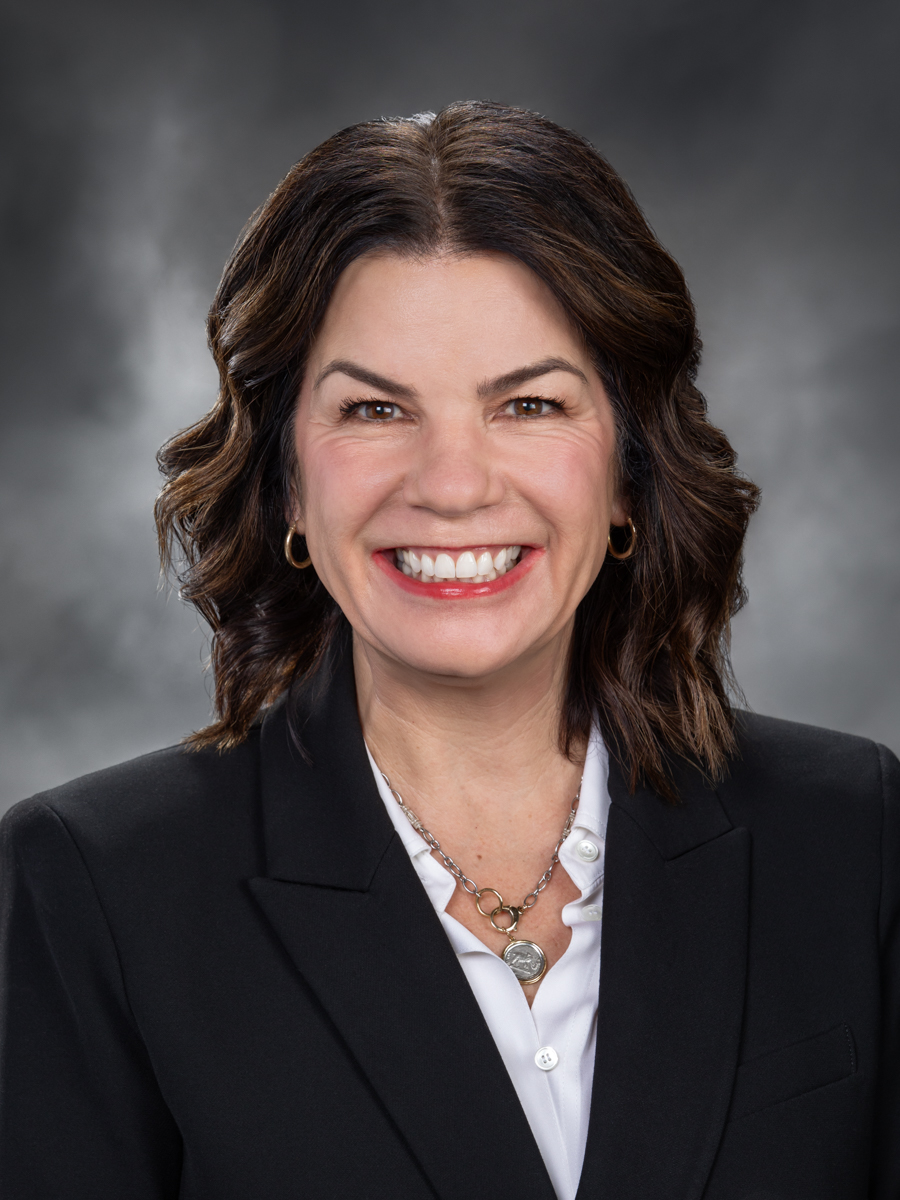
April Connors
House · District 8
|
R |
Strong +
|
88% | 16 |

Shaun Scott
House · District 43
|
D |
Strong −
|
6% | 16 |

Adam Bernbaum
House · District 24
|
D |
Strong −
|
12% | 16 |
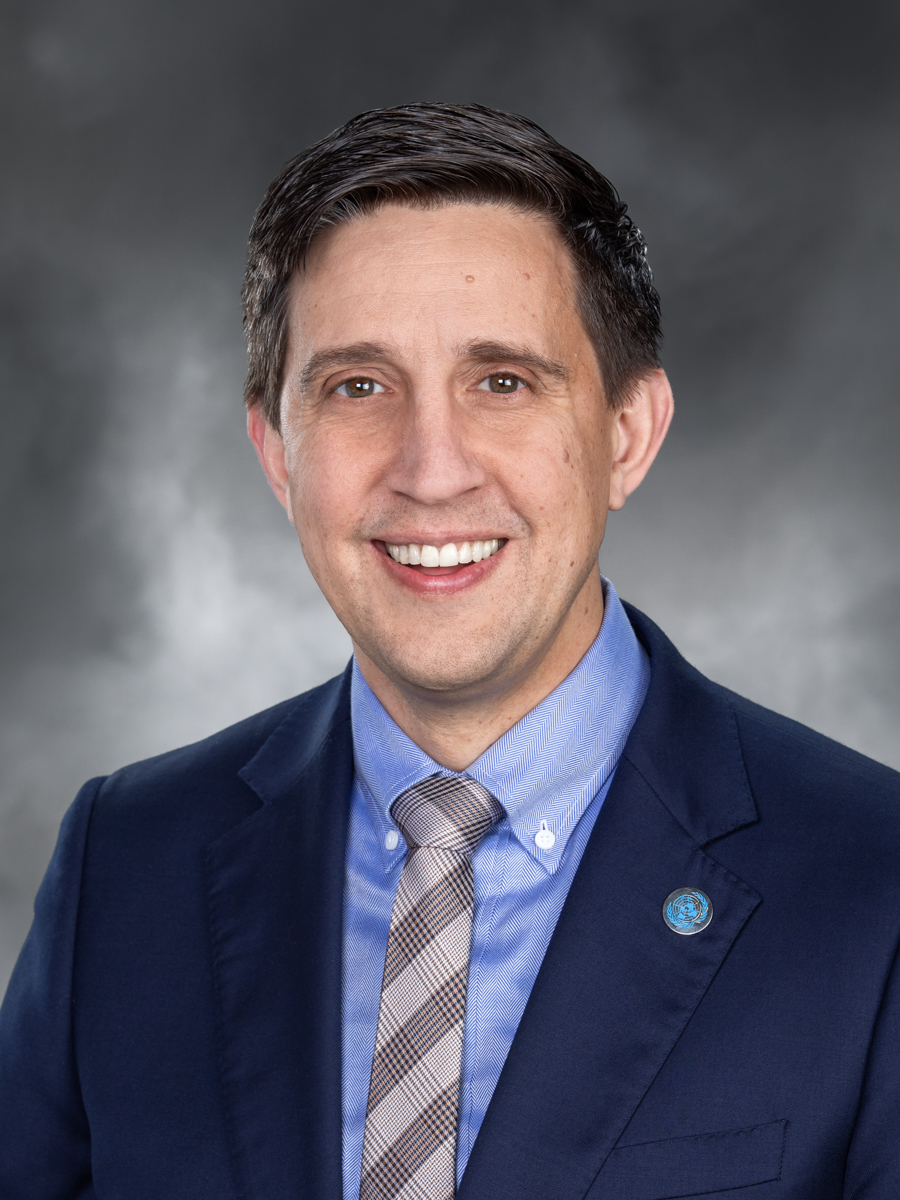
Alex Ramel
House · District 40
|
D |
Strong −
|
12% | 16 |

Amy Walen
House · District 48
|
D |
Strong −
|
12% | 16 |
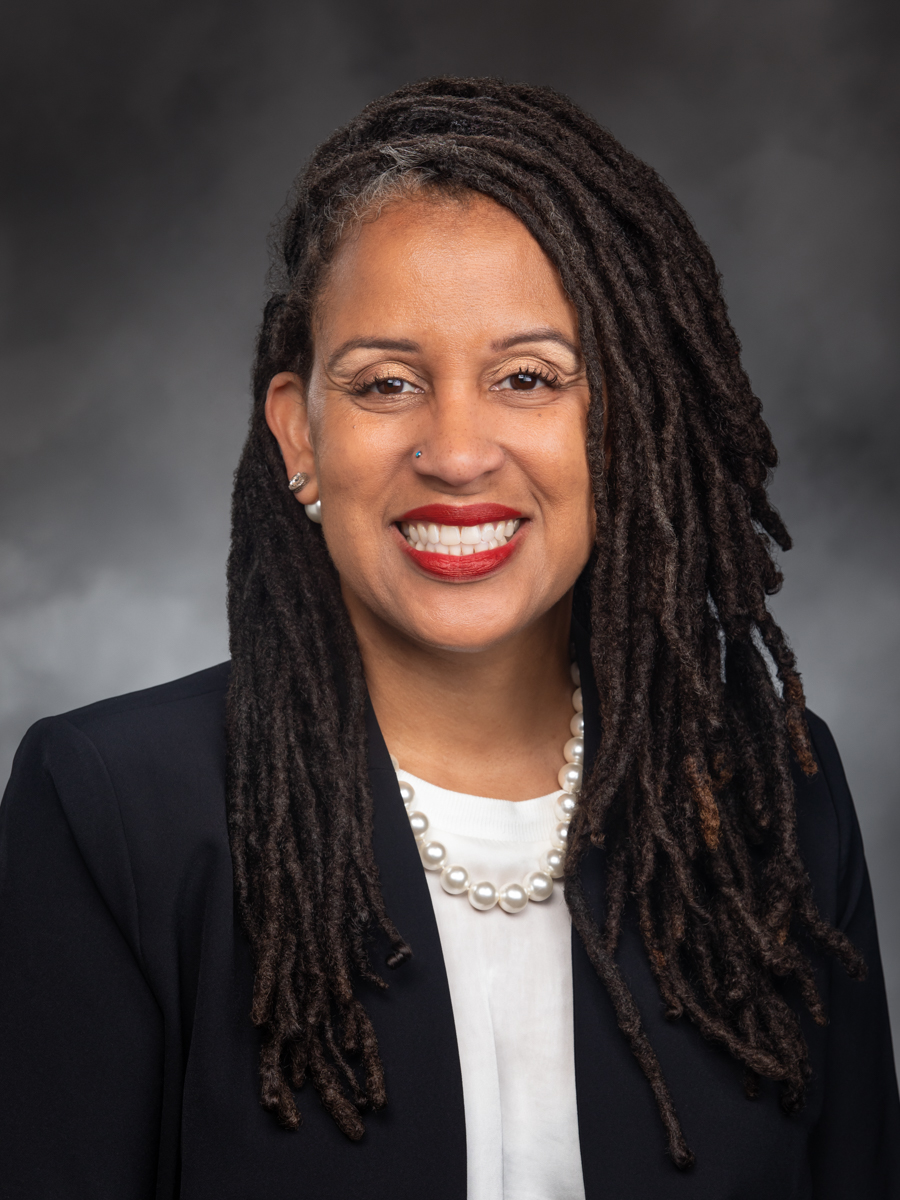
April Berg
House · District 44
|
D |
Strong −
|
12% | 16 |
Showing 1–10 of 16
bills
All budget & taxes bills
HB 2287: Providing pupil transportation safety net funding.
Topics
✓ Budget & TaxesSupports Budget & TaxesCreates supplemental funding for school transportation costs, increasing state budget allocation for public services targeting vulnerable students.
✓ EducationSupports EducationProvides supplemental funding for transportation costs of homeless/foster youth, ensuring educational access for vulnerable students per federal mandates.
SB 6057: Using concurrent medicaid enrollment savings to fund opportunities in science, technology, engineering, and mathematics education.
Topics
✓ Budget & TaxesSupports Budget & TaxesRedirects Medicaid enrollment savings to fund STEM education programs, increasing state appropriations for public education.
✓ EducationSupports EducationBill redirects recovered Medicaid funds to a dedicated STEM education account, explicitly funding STEM programs in education per its summary.
✗ HealthcareOpposes HealthcareBill diverts Medicaid recovery funds to STEM education, not healthcare, effectively defunding healthcare initiatives.
SB 5998: Making 2025-2027 fiscal biennium supplemental operating appropriations.
Topics
✓ Budget & TaxesSupports Budget & TaxesBill increases appropriations for legislative bodies and audits ($1.15M total), funding oversight of juvenile rehab and ignition interlocks, advancing fiscal management through targeted spending.
✓ Criminal JusticeSupports Criminal JusticeBill allocates $400k to audit juvenile rehabilitation programs (including staffing/services) and $400k for ignition interlock compliance review, supporting oversight and potential reform in criminal justice.
HB 2628: Concerning regularly updating the budget outlook to reflect the most recent revenue forecast.
HB 2288: Concerning dedicated accounts for fees collected for the implementation of environmental programs.
Topics
✓ Budget & TaxesSupports Budget & TaxesCreates dedicated accounts for environmental fees, ensuring funds are spent only on authorized programs, promoting fiscal responsibility and preventing diversion to unrelated priorities.
✓ EnvironmentSupports EnvironmentBill creates dedicated accounts for environmental program fees, ensuring funds are used solely for authorized environmental activities and preventing diversion to other priorities, thus strengthening environmental funding mechanisms.
HB 2289: Making 2025-2027 fiscal biennium supplemental operating appropriations.
SB 6103: Making payments for services provided by a rural emergency hospital subject to appropriation.
Topics
✗ Budget & TaxesOpposes Budget & TaxesRequires annual budget approval for rural hospital payments instead of automatic funding, making funding contingent on annual appropriations and reducing guaranteed support.
✗ HealthcareOpposes HealthcareBill requires annual budget approval for rural hospital payments instead of automatic funding, creating potential for defunding and restricting consistent healthcare financing for designated facilities.
HB 2488: Making payments for services provided by a rural emergency hospital subject to appropriation.
Topics
✗ Budget & TaxesOpposes Budget & TaxesBill shifts rural hospital Medicaid payments from automatic to annual appropriations, risking defunding by making payments contingent on yearly budget approval.
✗ HealthcareOpposes HealthcareBill replaces automatic Medicaid payments to rural emergency hospitals with annual appropriations, risking defunding and reducing stable healthcare funding for critical rural providers.
SB 5939: Creating the Washington is simply unaffordable fund.
Sub-Topics
Appropriations