

Commending William C. Chase, Jr.
Commending William C. Chase, Jr.
Introduced Feb 7, 2022
1 co-sponsor
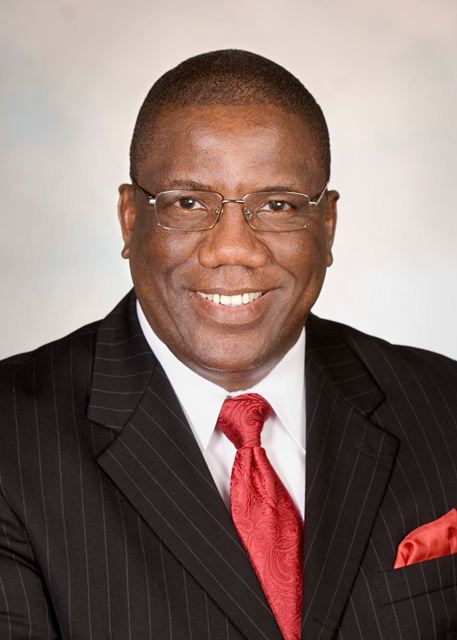
Commending William C. Chase, Jr.
Commending Dawn Harman.
Minimum staffing standards for nursing homesand certified nursing facilities; administrative sanctions; Long-TermCare Services Fund. Requires nursing homes to meet a baselinestaffing level based on resident acuity in alignment with the Centersfor Medicare and Medicaid Services staffing level recommendations.The bill requires nursing homes to collect and submit to the Departmentof Health certain data related to staffing. The bill gives the Commissionerof Health the power to impose administrative sanctions on nursinghomes and directs the Board of Health to promulgate regulations relatedto the criteria and procedures for imposition of administrative sanctionsor initiation of court proceedings for violations of the bill. Thebill provides that nursing homes shall only be subject to administrativesanctions upon initial funding for the state share of the cost toimplement the provisions of the bill. The bill establishes the Long-TermCare Services Fund for the purpose of making grants to assist inthe provision of activities that protect or improve the quality ofcare or quality of life for residents, patients, and consumers oflong-term care services.
Commending Zachary Hyman.
Historical African American cemeteries and graves; qualified organization. Amends the definition of a qualified organization authorized to apply for funds for the maintenance of historical African American cemeteries to include a locality in which such a cemetery is located. This bill was incorporated into SB 23.
Commending Lynwood Butner.
Prescription Drug Affordability Board; established; drug cost affordability review. Establishes the Prescription Drug Affordability Review Board for the purpose of protecting state residents, state and local governments, commercial health plans, health care providers, pharmacies licensed in the Commonwealth, and other stakeholders within the health care system from the high costs of prescription drug products. The bill directs the Governor to appoint members and alternate members of the Board. The Board is required to meet in open session at least four times annually, with certain exceptions and requirements. Members of the Board are required to disclose any conflicts of interest, as described in the bill. The bill also creates a stakeholder council for the purpose of assisting the Board in making decisions related to drug cost affordability. The Board is tasked with identifying prescription, generic, and other drugs, as defined in the bill, and, in the Board's discretion, conducting an affordability review of the prescription drug product. Factors for the Board to consider that indicate an affordability challenge are listed in the bill. Any person aggrieved by a decision of the Board may request an appeal of the Board's decision, as provided in the bill, and the Attorney General shall have authority to enforce the provisions of the bill.The bill also creates the Prescription Drug Affordability Fund to be used for funding operations of the Board and reimbursing other state agencies for implementing the provisions of the bill. The Board is required to report to the General Assembly twice annually, beginning on July 1, 2023, and December 1, 2023.Provisions of the bill shall apply to state-sponsored and state-regulated health plans and health programs and obligate such policies to limit drug payment amounts and reimbursements to an upper payment limit amount set by the Board, if applicable, following an affordability review. Medicare Part D plans shall not be bound by such decisions of the Board.The bill contains a severability clause and has a delayed effective date of January 1, 2023.
Commending Michael Cherry.
Celebrating the life of Officer Michael D. Chandler.
Commending the Richmond Chapter of the IslamicCircle of North America Relief.