

Board of Pharmacy; pharmaceutical processors; processing and dispensing cannabis oil; report. Effects numerous changes to the processing and dispensing of cannabis oil by pharmaceutical processors in the Commonwealth. The bill allows written certifications for use of cannabis oil to include an electronic practitioner signature. The bill also eliminates the requirement that a pharmacist have oversight of the cultivation and processing areas of a pharmaceutical processor, instead requiring pharmaceutical processors to designate a person to oversee cultivation and production areas; removes the requirement that a cannabis dispensing facility undergo quarterly inspections, instead requiring that inspections occur no more than once annually; and allows pharmaceutical processors to remediate cannabis oil that fails any quality testing standard. The bill requires pharmaceutical processors to maintain evidence of criminal background checks for all employees and delivery agents of the pharmaceutical processor. The bill directs the Board of Pharmacy to promulgate regulations implementing the provisions of the bill and regulations creating reasonable restrictions on advertising and promotion by pharmaceutical processors by July 1, 2021, and directs the Board of Pharmacy to solicit input from stakeholders and appropriate agencies of the Commonwealth in order to develop recommendations for legislative action to permit the acceptance of cannabis products by hospices and hospice facilities in the Commonwealth and report its findings and recommendations to the Chairmen of the House Committee on Health, Welfare and Institutions and the Senate Committee on Education and Health by October 1, 2021.
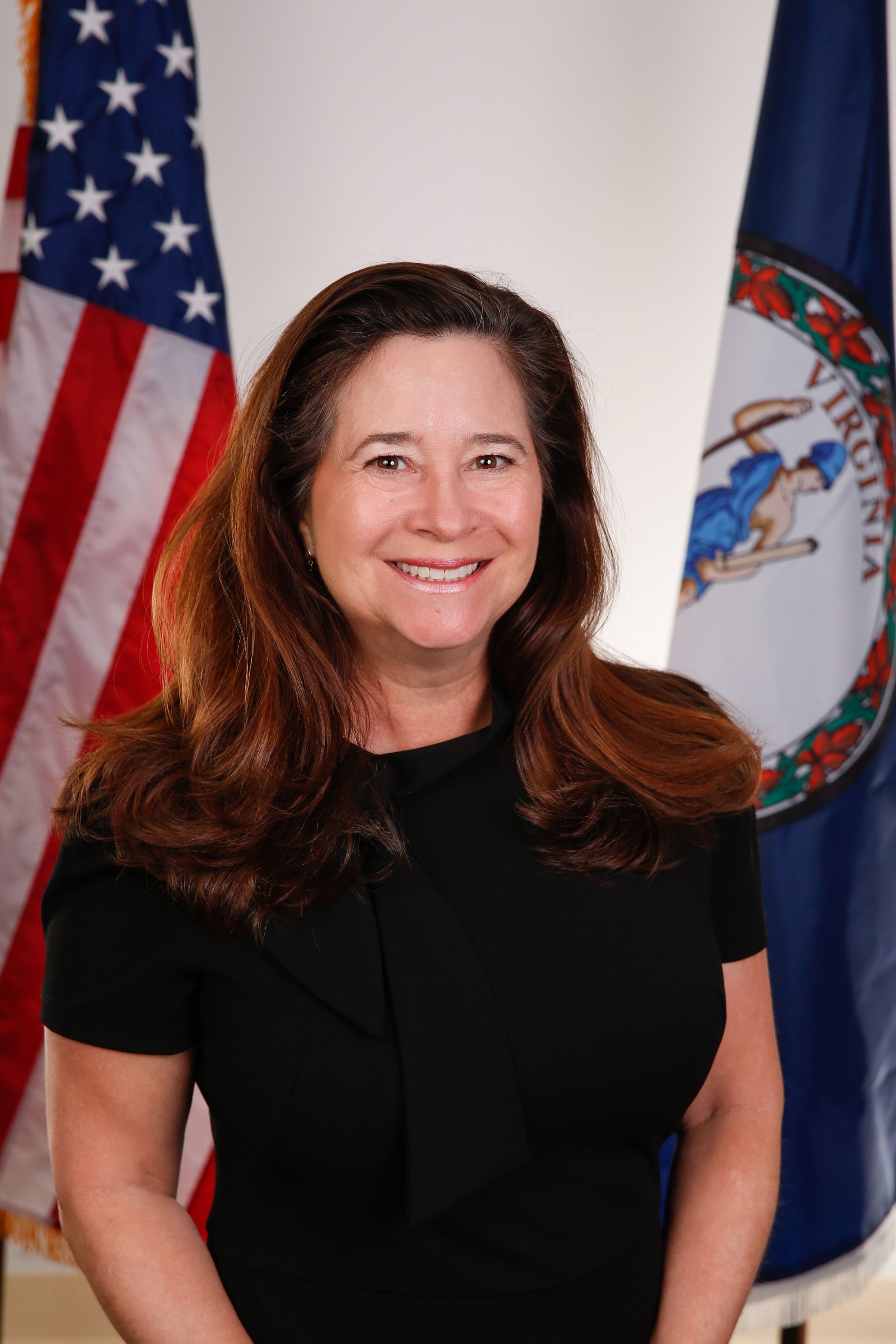
Del. Shelly Simonds
Sponsored bills
Virginia Fair Housing Law; unlawful discriminatory housing practices. Prohibits any locality, its employees, or its appointed commissions from discriminating (i) in the application of local land use ordinances or guidelines, or in the permitting of housing developments, on the basis of race, color, religion, national origin, sex, elderliness, familial status, source of funds, sexual orientation, gender identity, status as a veteran, or disability; (ii) in the permitting of housing developments because the housing development contains or is expected to contain affordable housing units occupied or intended for occupancy by families or individuals with incomes at or below 80 percent of the median income of the area where the housing development is located or is proposed to be located; or (iii) by prohibiting or imposing conditions upon the rental or sale of dwelling units, provided that the provisions of this subsection shall not be construed to prohibit ordinances related to short-term rentals. The bill provides that it shall not be a violation of the Virginia Fair Housing Law if land use decisions or decisions relating to the permitting of housing developments are based upon considerations of limiting high concentrations of affordable housing. The bill also requires the Fair Housing Board, after determining the existence of an unlawful discriminatory housing practice and after consultation with the Attorney General, to immediately refer the matter to the Attorney General for civil action.
Clinical nurse specialist; licensure; practice. Changes from the requirement of registration as clinical nurse specialists to the licensure of nurse practitioners as clinical nurse specialists by the Boards of Medicine and Nursing and provides that a nurse practitioner licensed as a clinical nurse specialist shall practice pursuant to a practice agreement between the clinical nurse specialist and a licensed physician and in a manner consistent with the standards of care for the profession and applicable law and regulations. For the transition of registration to licensure, the bill requires the Boards of Medicine and Nursing to jointly issue a license to practice as a nurse practitioner in the category of a clinical nurse specialist to an applicant who is an advance practice registered nurse who has completed an advanced graduate-level education program in the specialty category of clinical nurse specialist and who is registered by the Board of Nursing as a clinical nurse specialist on July 1, 2021.
Licensed certified midwives; licensure; practice. Defines "practice of licensed certified midwifery," directs the Boards of Medicine and Nursing to establish criteria for the licensure and renewal of a license as a certified midwife, and requires licensed certified midwives to practice in consultation with a licensed physician in accordance with a practice agreement. The bill also directs the Department of Health Professions to convene a workgroup to study the licensure and regulation of certified nurse midwives, certified midwives, and certified professional midwives to determine the appropriate licensing entity for such professionals. The Department shall report its findings and conclusions to the Governor and the General Assembly by November 1, 2021.
Certain declared states of emergency; essential workers; funeral service licensees; emergency. Provides that in any case in which the Board of Health or Commissioner of Health has made an emergency order or regulation for the purpose of suppressing nuisances dangerous to the public health or a communicable , contagious, or infectious disease or other danger to the public life and health or the Governor has declared a state of emergency related to a communicable disease of public health threat, funeral service licensees and persons employed by a funeral service establishment or by a public medical examination facility shall be considered essential workers and shall be included in any group afforded priority with regard to (i) access to personal protective equipment and (ii) administration of any vaccination against such communicable disease of public health threat during such emergency. The bill contains an emergency clause.
Duties of agencies and their appointing authorities; diversity, equity, and inclusion strategic plans. Requires stateagencies to establish and maintain a comprehensive diversity, equity,and inclusion strategic plan in coordination with the Governor's Directorof Diversity, Equity, and Inclusion.
Child support payments; juvenile in custody of or committed to the Department of Juvenile Justice. Provides that the Department of Juvenile Justice is no longer required to apply for child support from, and the parent of a juvenile is no longer responsible to pay child support to, the Department of Social Services for a juvenile who is in the temporary custody of or committed to the Department of Juvenile Justice.
Certain school boards; student meals; participationin the Afterschool Meal Program. Requires each school board thatgoverns a local school division that has a student population thatqualifies for free and reduced-price meals at a minimum percentageof 50 percent in the prior school year and simultaneously offerseducational or enrichment activities and is consequently eligibleto participate in the Afterschool Meal Program administered by theU.S. Department of Agriculture Food and Nutrition Service (FNS) Childand Adult Care Food Program to apply to the Department of Educationto participate in the Afterschool Meal Program for each such schoolto subsequently and simultaneously serve federally reimbursable mealsand offer an afterschool education or enrichment program, pursuantto FNS guidelines and state health and safety standards. The billrequires the Department of Education to administer the AfterschoolMeal Program on behalf of the U.S. Department of Agriculture. The bill provides that the Superintendent of Public Instruction shallissue a waiver to this requirement upon determination that participation is not financially viable for a school or group of schools. The billrequires the Department of Education to develop a process and criteriafor evaluating such waivers. The bill has a delayed effective dateof July 1, 2022.
Child Care Assistance Program; emergency. Provides that regulations governing the Child Care Subsidy Program (the Program) shall be amended to provide that (i) a family shall be eligible for assistance through the Program if the family's income does not exceed 85 percent of the state median income, the family includes at least one child who is five years of age or younger and has not yet started kindergarten, and the family meets all other income and eligibility requirements of the Program and (ii) job search activities shall be considered eligible activities for the purposes of the Program. The bill provides that a family determined to be eligible for assistance through the Program shall be eligible to receive assistance for a period of 12 months or until the family's household income exceeds 85 percent of the state median income, whichever occurs sooner. The Department of Social Services shall administer the program, as amended by the bill, in cooperation with the Department of Education. The bill contains an emergency clause and provides that the provisions of the bill shall be applicable to applications for assistance through the Program received prior to August 1, 2021.
State Air Pollution Control Board; low-emissions and zero-emissions vehicle program. Directs the State Air Pollution Control Board to implement a low-emissions and zero-emissions vehicle program for motor vehicles with a model year of 2025 and later. Regulations adopted by the Board to implement the program are exempt from the Administrative Process Act and shall not become effective prior to January 1, 2024. The bill also authorizes the State Corporation Commission to exclude sales related to such vehicles from certain energy efficiency calculations.