

Constitutional amendment (second reference); marriage between two adult persons; repeal of same-sex marriage prohibition; affirmative right to marry. Repeals the constitutional provision defining marriage as only a union between one man and one woman as well as the related provisions that are no longer valid as a result of the United States Supreme Court decision in Obergefell v. Hodges, 576 U.S. 644 (2015). The amendment prohibits the Commonwealth and its political subdivisions from denying the issuance of a marriage license to two adult persons seeking a lawful marriage on the basis of the sex, gender, or race of such persons. The Commonwealth and its political subdivisions are required to recognize any lawful marriage between two adult persons and to treat such marriages equally under the law, regardless of the sex, gender, or race of such persons.
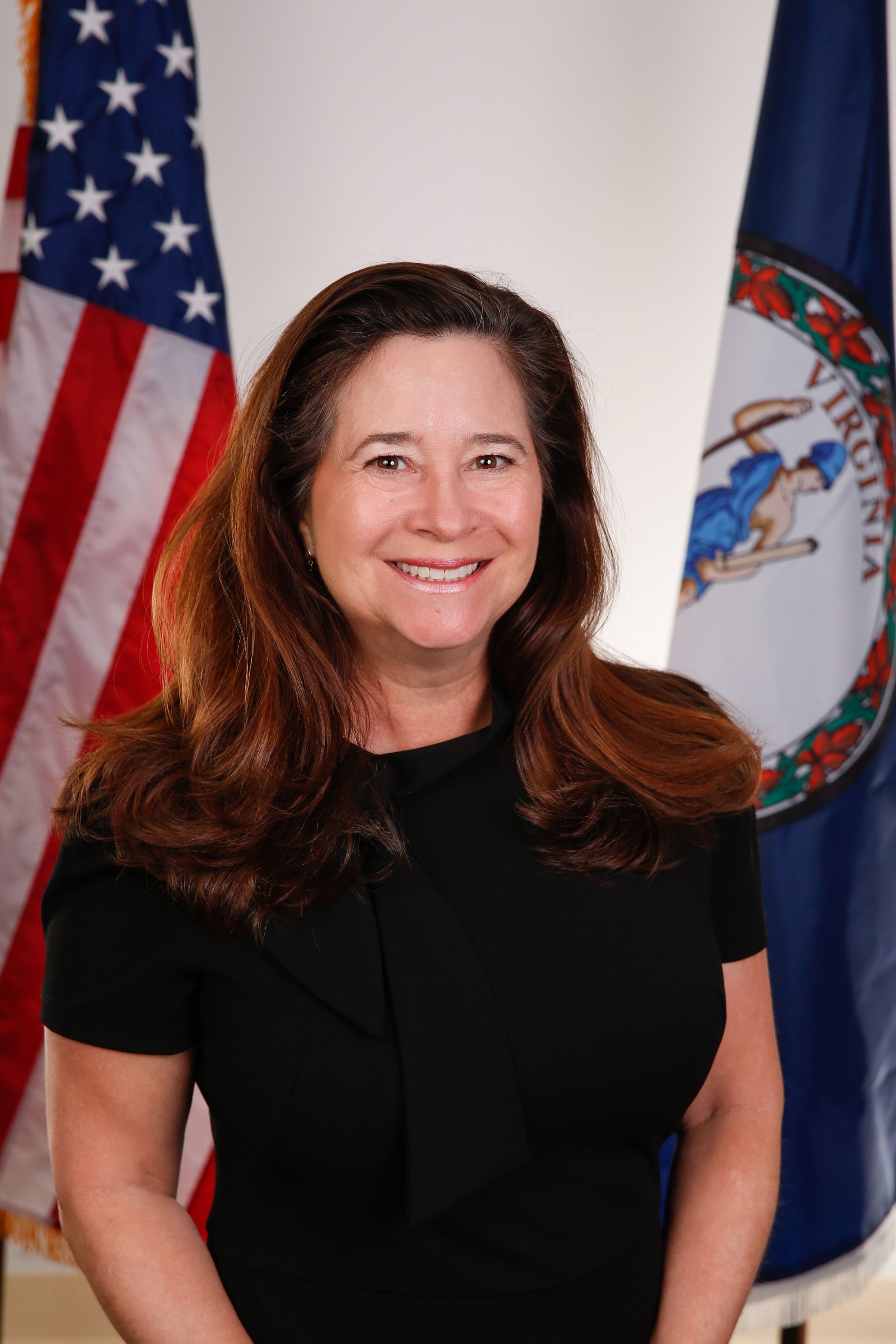
Del. Shelly Simonds
Sponsored bills
Maddy summaryThis bill formally commends Sharon P. Scott, recognizing her contributions or service. It does not create new laws or change existing policies, but rather serves as an official acknowledgment. The legislation was passed by both the Senate and House through voice votes, indicating broad agreement. No specific individuals or groups are directly affected by policy changes, as this is a commemorative resolution.
Maddy summaryThis bill is a ceremonial resolution honoring the life of Joseph C. Ritchie. It does not create new laws or change existing policies but serves as a formal recognition of his contributions. The measure was passed by both the Senate and House and is intended to commemorate his legacy through official acknowledgment.
Maddy summaryThis bill formally recognizes and commends Howard E. Gwynn, an individual being honored by the state legislature. The legislation does not create new laws or policies but serves as a ceremonial acknowledgment of Gwynn's contributions. It was passed by both the Senate and House through voice votes, indicating broad agreement without debate. The bill has no direct impact on public policy or daily operations, functioning solely as a symbolic gesture of appreciation.
Maddy summaryThis bill honors the life of Christian A. Jurgensen III through a legislative resolution. It does not create new laws or change existing policies but serves as a formal recognition of his contributions. The measure was passed by both the Senate and House in March 2026.
Maddy summaryThis bill is a commemorative resolution honoring Everette Alexander Hicks, Sr. It does not change laws or policies but serves to recognize his life and contributions. The measure was introduced in the House and passed without altering any existing regulations. It is a symbolic gesture rather than a substantive legislative action.
Maddy summaryThis bill honors the life of August Bryant Bullock by formally recognizing his contributions. It is a commemorative resolution that does not create new laws or regulations. The measure was introduced in the House and passed without substantive policy changes. Its primary effect is symbolic recognition rather than altering government operations.
Maddy summaryThis bill formally recognizes the Virginia Young Democrats Disability Caucus, a group within the Democratic Party that advocates for the interests of people with disabilities. It does not create new laws or change policies but serves as a ceremonial acknowledgment of the caucus's work. The measure was approved by the House of Representatives through a voice vote, indicating broad support for the recognition.
Maddy summaryThis bill formally recognizes Angela York through a commendation resolution. It does not create new laws or change existing policies but serves as an official acknowledgment of her contributions. The measure was passed by the House of Representatives by voice vote and does not require Senate approval or presidential signature.
Maddy summaryThis bill formally commends William Massey, recognizing his contributions or service. It does not create new laws, allocate funds, or change existing policies. The measure is purely ceremonial and has no direct impact on individuals or organizations beyond acknowledging Massey's achievements.