Maddy summaryHR 674 is a procedural resolution commending Arthur Ellsworth Dick Howard, a recognized individual in the community. It does not establish new laws or affect any policies, programs, or specific groups. The resolution formally expresses the House's appreciation for Howard's contributions, as passed by voice vote on February 17, 2025. This is a symbolic gesture with no concrete policy impact.
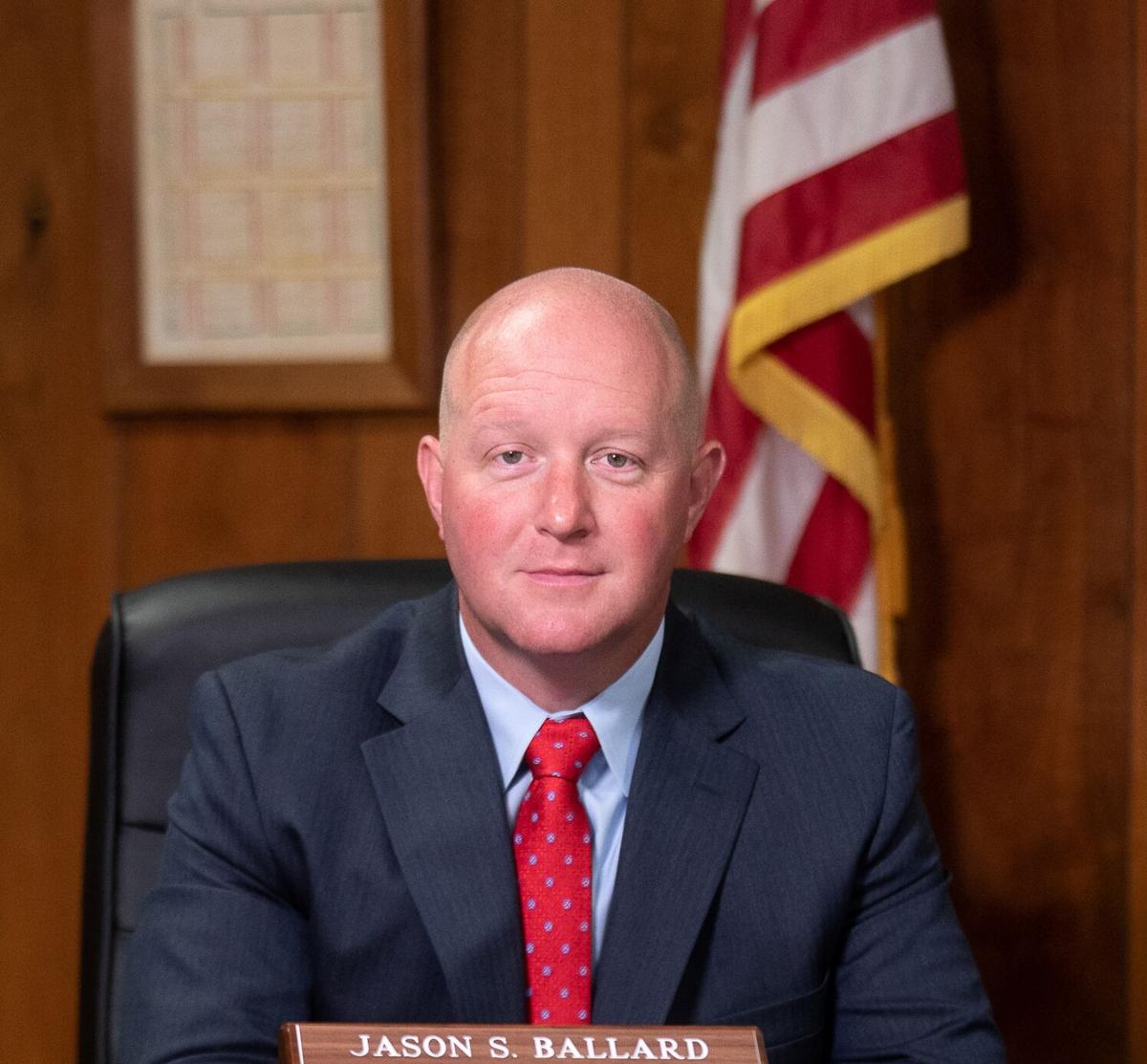
Del. Jason Ballard
Sponsored bills
Maddy summaryHR 712 is a commemorative resolution honoring the late Walter Benjamin Keister, Sr., a former public servant. It has passed the House of Representatives (as noted in its recent actions) and serves as a ceremonial tribute. This resolution does not create any new laws or affect policy; it is purely symbolic recognition of an individual's life and service.
Maddy summaryThis resolution formally commends the Virginia Wing of the Civil Air Patrol for its service. It is a symbolic gesture with no legal effect or policy changes. The bill does not affect any laws, regulations, or individuals' rights. It passed both chambers as a non-binding expression of appreciation.
Maddy summaryHJ 684 is a commemorative resolution honoring Loudoun County residents who were among the passengers aboard American Airlines Flight 5342, which crashed in 2023. It formally recognizes and celebrates the lives of these community members without creating any new laws or policy changes. The resolution passed both the House and Senate in February 2025 and was signed into law. This is a symbolic gesture, not a substantive legislative measure.
Threats to discharge a firearm within or at buildings or means of transportation; penalties. Provides that any person (i) who makes and communicates to another by any means any threat to bomb, burn, destroy, discharge a firearm within or at, or in any manner damage any place of assembly, building or other structure, or means of transportation or (ii) who communicates to another, by any means, information, knowing the same to be false, as to the existence of any peril of bombing, burning, destruction, discharging of a firearm within or at, or damage to any such place of assembly, building or other structure, or means of transportation is guilty of a Class 5 felony, provided, however, that if such person is under 18 years of age, he is guilty of a Class 1 misdemeanor. Under current law, any person 15 years of age or older (a) who makes and communicates to another by any means any threat to bomb, burn, destroy, or in any manner damage any place of assembly, building or other structure, or means of transportation or (b) who communicates to another, by any means, information, knowing the same to be false, as to the existence of any peril of bombing, burning, destruction, or damage to any such place of assembly, building or other structure, or means of transportation is guilty of a Class 5 felony. This bill is a recommendation of the Virginia Criminal Justice Conference.

Trespass with an unmanned aircraft system; contracted defense facility; penalty. Creates a Class 4 felony for any person who knowingly, intentionally, and without authorization causes an unmanned aircraft system to enter the property of and obtains or attempts to obtain any videographic or still image that contains or reveals any controlled technical information located within a contracted defense facility, as those terms are defined in the bill. The bill also provides that the owner or operator of a contracted defense facility and its employees shall be immune from criminal prosecution and civil liability as a result of preventing, stopping, deterring, interrupting, or repelling, or attempting to prevent, stop, deter, interrupt, or repel, an unmanned aircraft system from entering the property of such contracted defense facility or from stopping, interrupting, or repelling, or attempting to stop, interrupt, or repel, an unmanned aircraft system that has entered such property, provided that such action does not result in injury to any person. This bill is identical to SB 757.
Phase I Utilities; securitized asset costs. Authorizes Appalachian Power to petition the State Corporation Commission for a financing order for securitized asset costs, as defined in the bill. The bill creates the securitized asset cost charge and provides that the revenues generated by this charge, known as securitized asset cost property, are a property right that can be transferred and pledged as security for the securitized asset cost bonds. The bill establishes the procedures for creating, perfecting, and enforcing the security interest in securitized asset cost property. The bill also prohibits rate increases for Appalachian Power during the months of November through February and prohibits rate adjustment clauses from taking effect on customer bills between the months of November through February. The bill prohibits Appalachian Power from charing a residential customer any interest or late fees between July 1, 2025, and December 31, 2025, and from charging a residential customer any reconnection fees between July 1, 2025, and March 1, 2026. The bill also provides that in any rate proceeding for Appalachian Power, the State Corporation Commission shall include an invitation for public comment. This bill incorporates HB 1588.
Maddy summaryThis is a ceremonial joint resolution honoring Matthew Robert Chiaverotti. It has no policy provisions or direct impact on legislation, citizens, or government operations. The resolution formally celebrates his life and legacy through a symbolic gesture by the legislature. As a commemorative measure, it does not create new laws or alter existing policies.
Maddy summaryHJ 615 is a resolution passed by both the House and Senate to formally commemorate the life of William H. Brown, Sr. It does not create new laws, alter policies, or affect any individuals or groups. The resolution serves as a ceremonial expression of respect for William H. Brown, Sr., without implementing any concrete policy changes or obligations. This type of resolution is standard legislative practice for honoring individuals and has no binding effect.
Public elementary and secondary schools; nutritional standards for school meals and other foods; nutrition requirements; certain color additives prohibited. Prohibits any public elementary or secondary school from offering or making available to any student any food served as a part of a school meal or any competitive food, as defined in applicable law, that contains any of the seven color additives listed in the bill. The bill directs the Board of Education to amend its nutritional guidelines for competitive foods promulgated pursuant to relevant law in accordance with the provisions of the bill. The bill has a delayed effective date of July 1, 2027, and is identical to SB 1289.