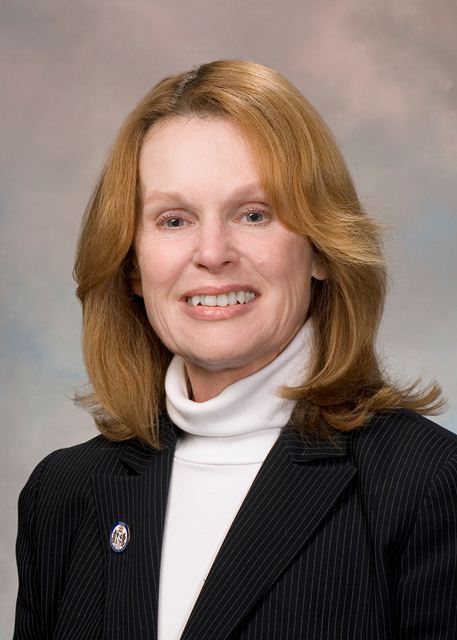
Photo of Kaye Kory
D Virginia House of Delegates · District 38 · Former member

Del. Kaye Kory

Contact Email
Compare
Total votes
9,073
all sessions
Attendance
95%
391 missed
Lower than 93% of chamber peers
With party
97%
of cast votes
Lower than 84% of chamber peers
Bipartisan score
1%
crosses aisle rarely
Higher than 84% of chamber peers
Sponsored
2,081
bills & resolutions
Higher than 96% of chamber peers
Committees
0
assignments
2,081 bills and resolutions

Sponsored bills

Total
2,081
Primary
259
Co-sponsor
1,822
This page
2,081
matching current filters
Co-sponsor SB 114
Signed into law · Virginia Senate · Co-sponsor
Comprehensive animal care; enforceable under Virginia Consumer Protection Act.

Comprehensive animal care; enforceable underVirginia Consumer Protection Act. Subjects certain animal carestatutes to enforcement under the Virginia Consumer Protection Act(§ 59.1-196 et seq.). These statutes relate to the misrepresentationof animals' conditions, the posting of information about dogs, andwritten notice of consumer remedies required to be provided by petshops, pet dealers, and animal boarding establishments.

Signed into law Mar 23, 2020 1 co-sponsor
Co-sponsor HB 408
Signed into law · Virginia House of Delegates · Co-sponsor
Green job creation tax credit; extends sunset date.

Green Job Creation Tax Credit; sunset date.Extends the sunset date of the green job creation tax credit from January 1, 2021, to January 1, 2026. The bill contains technicalamendments.

Signed into law Mar 23, 2020 1 co-sponsor
Co-sponsor HB 422
Signed into law · Virginia House of Delegates · Co-sponsor
Youth and Gang Violence Prevention Grant Fund and Program; created and established.

Youth and Gang Violence Prevention Grant Fund and Program; creation. Establishes the Youth and Gang Violence Prevention Grant Fund and Program, to be administered by the Department of Criminal Justice Services, for the purpose of awarding grants to the Cities of Hampton, Newport News, Norfolk, Portsmouth, Richmond, and Roanoke for the purpose of performing community assessments for youth and gang violence prevention. Grants are to be awarded in an amount of $25,000 to each city to perform such an assessment. No more than $150,000 per year shall be allocated by the Program.

Signed into law Mar 23, 2020 1 co-sponsor
Co-sponsor HB 590
Signed into law · Virginia House of Delegates · Co-sponsor
Income tax, state; housing choice vouchers, definition of eligible housing areas.

Tax credit for participating landlords; eligible housing areas. Expands the definition of "eligible housing area" for the housing choice voucher tax credit to include Virginia census tracts in the Washington-Arlington-Alexandria Metropolitan Statistical Area in which less than 10 percent of the population lives below the poverty level. Landlords who rent qualified housing units within such areas are eligible for an income tax credit. Current law only applies to such areas within the Richmond and Virginia Beach-Norfolk-Newport News Metropolitan Statistical Areas.The bill establishes a 2025 sunset date on the credit. The bill incorporates HB 1014 and is identical to SB 200.

Signed into law Mar 23, 2020 1 co-sponsor
Co-sponsor HB 1635
Signed into law · Virginia House of Delegates · Co-sponsor
Washington Metropolitan Area Transit Authority; labor organizations.

Washington Metropolitan Area Transit Authority; labor organizations. Repeals enactments adopted in 2018 as part of the Washington Metropolitan Area Transit Authority (WMATA) funding bills related to bidders, offers, contractors, and subcontractors to WMATA projects located in the Commonwealth participating with labor organizations. This bill is identical to SB 995.

Signed into law Mar 18, 2020 1 co-sponsor
Co-sponsor HB 566
Signed into law · Virginia House of Delegates · Co-sponsor
Food stamps and TANF; eligibility, drug-related felonies.

Eligibility for food stamps and TANF; drug-related felonies. Provides that a person who is otherwise eligible to receive food stamp benefits shall not be denied such assistance solely because he has been convicted of a drug-related felony. Under current law, such individuals may not be denied food stamp benefits based on a felony conviction of possession of a controlled substance in violation of § 18.2-250, provided that such person is complying with, or has already complied with, all obligations imposed by the criminal court, is actively engaged in or has completed a substance abuse treatment program, participates in periodic drug screenings, and meets any other obligations as determined by the Department of Social Services. The bill also provides that a person who is otherwise eligible to receive TANF benefits shall not be denied such assistance solely because he has been convicted of a drug-related felony. This bill incorporates HB 391, HB 786, HB 814, and HB 1130 and is identical to SB 124.


Signed into law Mar 18, 2020 1 co-sponsor
Co-sponsor HB 859
Signed into law · Virginia House of Delegates · Co-sponsor
Stormwater management facilities; private residential lots, required disclosure.

Stormwater management facilities; private residential lots; disclosure. Directs the State Water Control Board to adopt regulations requiring the owner of residential property on which is located a privately owned stormwater management facility serving one or more residential properties to record the long-term maintenance and inspection requirements for such stormwater management facility with the deed for the owner's property. The bill requires an owner of residential real property who has actual knowledge of a privately owned stormwater management facility located on the property to disclose to a purchaser of the property the long-term maintenance and inspection requirements of the facility.

Signed into law Mar 12, 2020 1 co-sponsor
Primary HB 75
Failed · Virginia House of Delegates · Lead sponsor
Electric utilities; electric school bus pilot program.

Electric utilities; electric school bus pilot program. Authorizes Dominion Energy Virginia to implement a pilot program under which it will deploy electric school buses in participating school divisions in its service territory. The initial phase of the pilot program is limited to the deployment of 50 electric school buses at a cost of up to $13.5 million. In each of the five years thereafter, the pilot program may be expanded by up to 200 additional electric school buses at a cost of up to $54 million per year. The pilot program provides that (i) the utility may use vehicle-to-grid technology to access electricity in the storage batteries of the electric school buses when they are not in use and (ii) the primary purpose of electric school buses is student transportation and if the Phase II utility's use of the battery compromises the school boards' ability to transport the students either through bus unavailability or insufficient charge, then the Phase II utility will compensate the school board. The duration of the pilot program shall not exceed 10 years, though the utility may petition the State Corporation Commission to make it permanent. Program costs, including the incremental cost of the electric school buses, are recoverable through the utility's base rates.

Failed Mar 12, 2020 0 co-sponsors
Showing 761 to 770 of 2,081 bills
Previous 1 … 76 77 78 … 209 Next