

Utility consumer services cooperatives; substation construction agreements. Permits an electric cooperative to enter into an agreement to construct a substation with a member receiving regulated electric service, with an electric demand of at least 20 megawatts during the most recent calendar year, that requires a point of interconnection with a transmission line system of 230 kilovolts or more. The bill provides that, upon final completion of a substation constructed under such an agreement, the member shall transfer ownership of such substation to the cooperative for the cooperative to operate and maintain at the member's sole expense. Under the bill, the costs of acquisition, operation, or maintenance of such a substation shall be excluded from the cooperative's general and base rates and shall not be recovered from any other ratepayer. This bill is identical to SB 377.
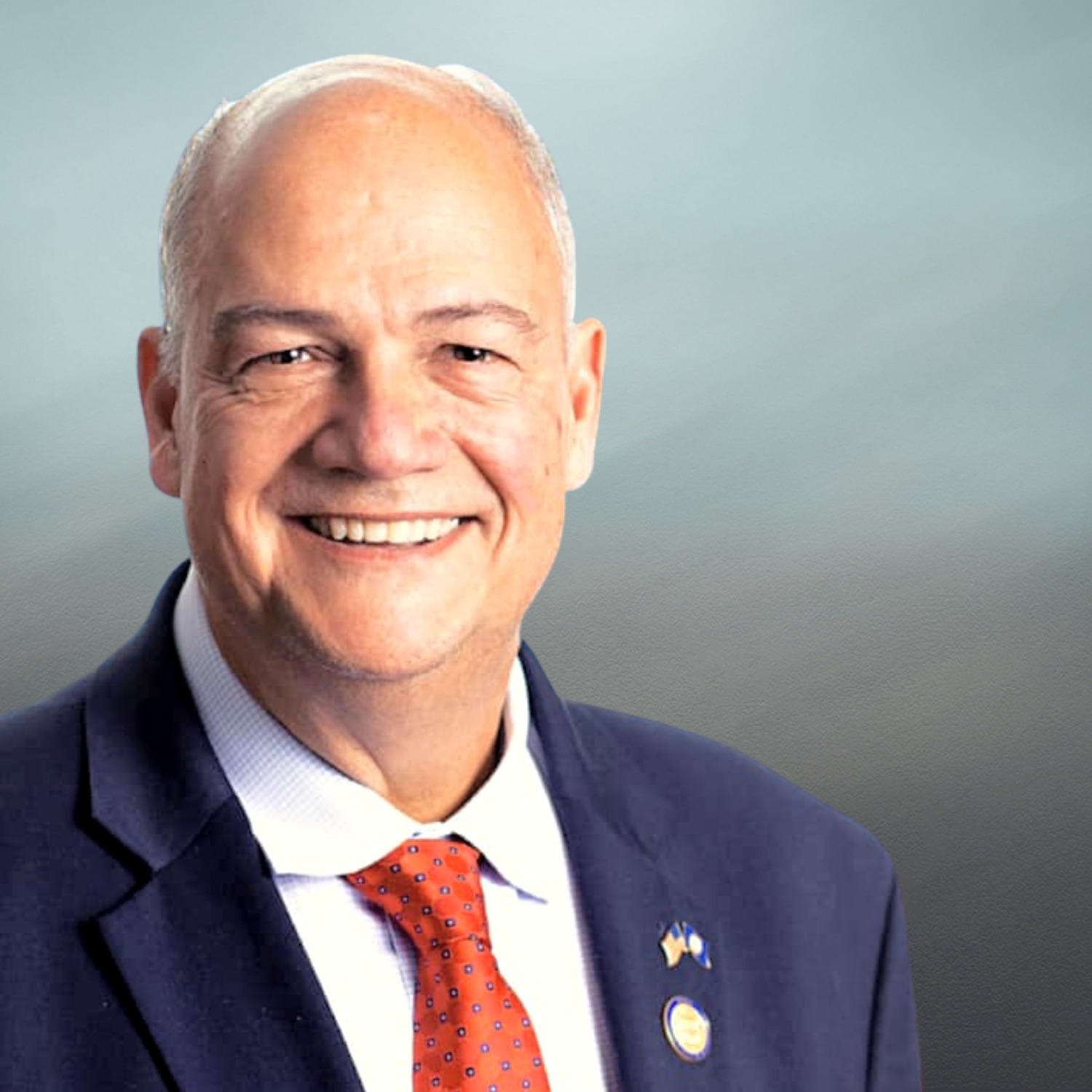
Sponsored bills
Maddy summaryThis bill honors the life of Lawrence Max Beyer through a legislative resolution. It does not create new laws or change existing policies but serves as a formal recognition of his contributions. The bill has been passed by both the Senate and the House, with the text finalized as SJ270ER. Its primary purpose is commemorative rather than regulatory.
Maddy summaryThis bill is a commemorative resolution that honors the life of Donald Wise Huffman. It does not create new laws, allocate funds, or change existing policies. The measure serves as a formal recognition of Huffman's contributions and legacy. It has been passed by both the Senate and the House and awaits final approval.
Maddy summaryThis bill honors the life of Christian A. Jurgensen III through a legislative resolution. It does not create new laws or change existing policies but serves as a formal recognition of his contributions. The measure was passed by both the Senate and House in March 2026.
Maddy summaryThis bill is a House resolution that formally acknowledges and commends practitioners of Falun Dafa in Virginia. It does not create new laws or change government policy but serves as a symbolic gesture of recognition. The measure is currently in the early stages of the legislative process, having been referred to the Committee on Rules for further consideration. As a commendation resolution, it has no binding effect and does not allocate funds or alter existing regulations.
Maddy summaryThis bill is a procedural resolution that formally commends the Honorable Carrie Emerson Coyner. It does not create new laws or affect any specific groups of people, but rather serves as an official expression of recognition. The legislation follows standard committee referral procedures and awaits further action in the Rules Committee. No substantive policy changes or funding allocations are included in this measure.
Maddy summaryThis bill formally recognizes and honors the veterans of the United States Armed Forces from Augusta County. It does not create new laws, allocate funding, or change existing policies, but instead serves as a symbolic gesture of appreciation. The measure was passed by the House of Representatives through a voice vote and is now awaiting further legislative steps.
Maddy summaryThis bill formally recognizes and commends Daniel Webster Marshall III, a member of the House of Representatives. It does not create new laws or change existing policies but serves as an official acknowledgment of his service. The measure was passed by the House through a voice vote and is now awaiting further legislative steps.
Maddy summaryThis resolution (SJ 130) honors the life and legacy of Eddie L. Radden, Jr., a specific individual. It is a non-binding commemorative measure passed by both the Senate and House in 2026, expressing collective recognition for his contributions. The resolution does not create new laws or affect any policies or groups.
Maddy summaryThis is a ceremonial resolution (SJ 131) that formally commends Dr. M. Catherine Slusher for her contributions. It does not create any new laws, alter policies, or affect any individuals or groups beyond expressing legislative appreciation. The bill passed both chambers via voice vote with no substantive provisions. As a non-binding resolution, it has no legal effect or practical impact on policy. The summary is limited to the symbolic recognition described in the bill's title and abstract.