

Charitable gaming; exemptions from certain requirementsfor specified organizations. Exempts qualified organizationsthat reasonably expect, on the basis of prior charitable gaming annual results or any other quantifiable method, to realize grossreceipts of $15,000 or less from all charitable gaming other than raffles, conducted on a total of no more than seven days per calendaryear, from the requirements to (i) notify the Department of Agricultureand Consumer Services (the Department) of their intention to conductsuch charitable gaming or (ii) comply with the regulations of theCharitable Gaming Board. Under current law, only qualified organizationsthat reasonably expect to realize gross receipts of $40,000 or lessfrom raffles in any 12-month period are exempt from these requirements.The bill provides that any qualified organization may sell instantbingo, pull tabs, or seal cards that are dispensed by mechanicalequipment only, provided that the sale is limited to two events ofno more than 14 days each per calendar year. Under current law, onlyathletic associations or booster clubs or band booster clubs maysell instant bingo, pull tabs, or seal cards at a single event ina calendar year. Finally, the bill prohibits the Department fromrequiring a qualified organization that realizes annual gross receiptsof $15,000 or less to file a report of its receipts and disbursements.
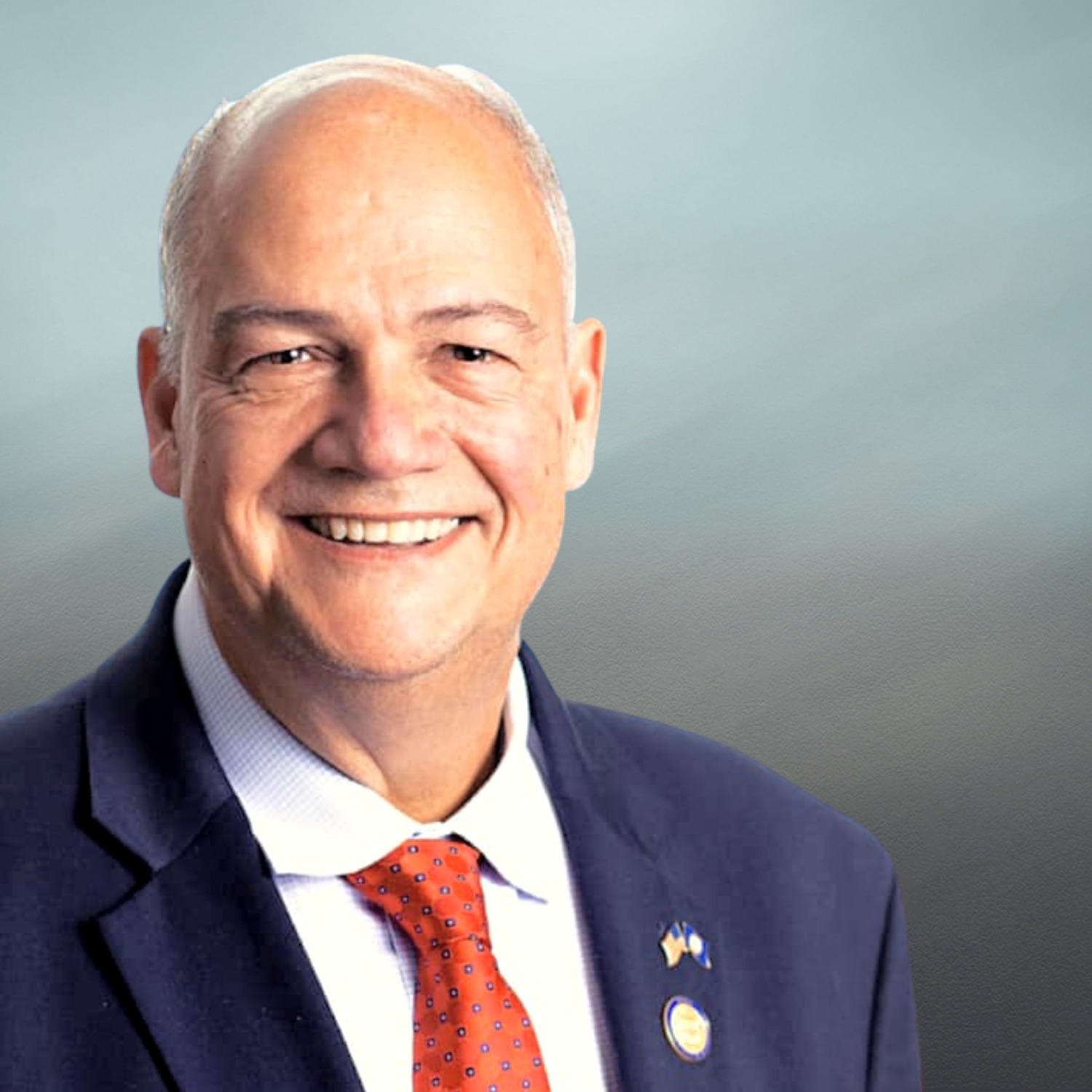
Del. Chris Runion
Sponsored bills
Absentee voting; permanent absentee voter listrepealed. Repeals the provisions of law by which any registered voter may apply to receive absentee ballots for all elections inwhich he is eligible to vote and remains on the list until the voterrequests in writing to be removed from the list, the voter's registrationis canceled or placed on inactive status pursuant to law, or thevoter moves to a different address not in the same county or cityof his registration.
Elections; absentee voting; ballots to be sortedand results to be reported by precinct. Provides that absentee ballots processed at a central absentee precinct must be sorted bythe precinct to which the voter who cast the absentee ballot is assignedand that the resulting vote totals from such ballots must be reportedseparately for each voter precinct.
Education Savings Account Program; establishment. Establishes the Education Savings Account Program (the Program),to be administered by the Department of Education (the Department)with assistance from each local school board, whereby the parentof any elementary or secondary school student who (i) is a memberof a household whose annual income does not exceed two times theannual household income that would qualify the student for free orreduced-price lunch and (ii) was eligible to attend a public schoolin the Commonwealth in the preceding semester or is starting elementaryor secondary school in the Commonwealth for the first time is eligibleto receive an education savings account, for as long as the studentis of school age and the amount of which is determined pursuant toa calculation set forth in the bill, to cover certain enumeratededucational expenses for his child. The bill requires the Departmentto establish rules and regulations for the Program and contains conditions,limitations, and other requirements for the Program, including provisionsrelating to the accountability and educational autonomy of individualsand entities receiving account funds to cover qualified expenses.
Department of Medical Assistance Services; amendwaivers providing services for individuals with developmental disabilities;greater financial flexibility for certain services; report. Directsthe Department of Medical Assistance Services to (i) take steps toamend the Family and Individual Supports, Community Living, and BuildingIndependence waivers to combine the maximum annual allowable amount for assistive technology, electronic home-based support services,and environmental modifications for an individual receiving waiverservices, for an annual total of $15,000, to provide for greaterflexibility and better meet the needs of individuals receiving servicesand (ii) report on its progress to the Governor and the General Assembly by December 1, 2022.
Liability for sale of alcohol or marijuana productto an underage person. Creates a cause of action against an alcoholic beverage control retail licensee or cannabis control retail licensee who sells alcohol or a marijuana product to an underageperson if the consumption of the alcohol or marijuana product causedor contributed to an injury to person or property while the underageperson operated a motor vehicle. The provisions of this act relatedto the sale of marijuana products have a delayed effective date ofJanuary 1, 2024.
Purchase of handguns; limitation on handgunpurchases. Removes the prohibition on any person who is not a licensed firearms dealer from purchasing more than one handgun ina 30-day period. Current law makes it a Class 1 misdemeanor for aviolation of this provision, subject to certain exemptions.
Public health emergency; emergency orders andregulations; limitations. Provides that any emergency order orregulation adopted by the Board of Health shall be valid for no morethan 45 days and that such order may be extended by the Board fora subsequent period of 45 days, provided that the Board providesnotice and receives public comment on the order or regulation proposedto be extended, but that in no case shall such emergency order or regulation be valid for more than 18 months from the effective dateof the initial order or regulation. The bill also provides that inany case in which the Commissioner of Health exercises the authorityof the Board to enact an emergency order or regulation, such orderor regulation shall be valid for no more than 45 days from the effectivedate of the order or regulation unless the Board adopts an orderor regulation to such effect. Thebill also limits the duration of an emergency temporary standardadopted by the Safety and Health Codes Board to 45 days and providesfor an extension of such emergency temporary standard for a subsequentperiod of 45 days, provided that the Board provides notice and receivespublic comment on the emergency temporary standard proposed to beextended. However, no emergency temporary order shall be valid fora period of more than six months.
Pain-Capable Unborn Child Protection Act; penalty. Creates the Pain-Capable Unborn Child Protection Act. The Act prohibits an abortion after 20 weeks gestation unless, in reasonable medical judgment, the mother has a condition that so complicates her medical condition as to necessitate the abortion to avert her death or to avert serious risk of substantial and irreversible physical impairment of a major bodily function. When an abortion is not prohibited post-20 weeks' gestation, the physician or authorized nurse practitioner is required to terminate the pregnancy in a manner that would provide the unborn child the best opportunity to survive. The bill punishes performance of an abortion in violation of the Act as a Class 6 felony. The bill also provides for civil remedies against a physician or authorized nurse practitioner who performs an abortion in violation of the Act.
Minimum standards for local correctional facilities and lock-ups; individuals in need of behavioral health or developmental services. Requires the State Board of Local and Regional Jails (the Board) to establish minimum standards for identification and care of individuals with developmental disabilities in local correctional facilities and procedures for enforcing such minimum standards, including requirements for (i) screening of individuals committed to local correctional facilities for developmental disabilities, (ii) referral of individuals committed to local correctional facilities for whom a screening indicates reason to believe the person may have a developmental disability to an appropriate provider for an assessment to determine whether the individual has a developmental disability and is in need of developmental services, and (iii) transfer of an individual determined to have a developmental disability and to be in need of developmental services from a local correctional facility to a facility at which appropriate developmental services are provided within 72 hours of completion of the assessment. The bill also requires the Board to amend standards governing the delivery of behavioral health services in local correctional facilities and lock-ups to provide that if an individual is assessed as being in need of behavioral health services, such individual shall be transferred from the local correctional facility or lock-up to a behavioral health facility within 72 hours of the assessment. Currently, standards governing behavioral health services in local correctional facilities and lock-ups require that if a person is assessed as being in need of behavioral health services, the local correctional facility or lock-up shall provide such services.