

Sale of nicotine vapor product, alternativenicotine product, hemp product intended for smoking, or tobacco product;civil penalties. Increases the civil penalties for the sale,distribution, purchase for, or permitting of the purchase by personsless than 21 years of age and the sale to an individual who does not demonstrate he is at least 21 years of age of any nicotine vaporproduct, alternative nicotine product, hemp product intended forsmoking, or tobacco product other than a bidi from $100 to $500 fora first violation, from $200 to $1,000 for a second violation, andfrom $500 to $2,500 for a third or subsequent violation.
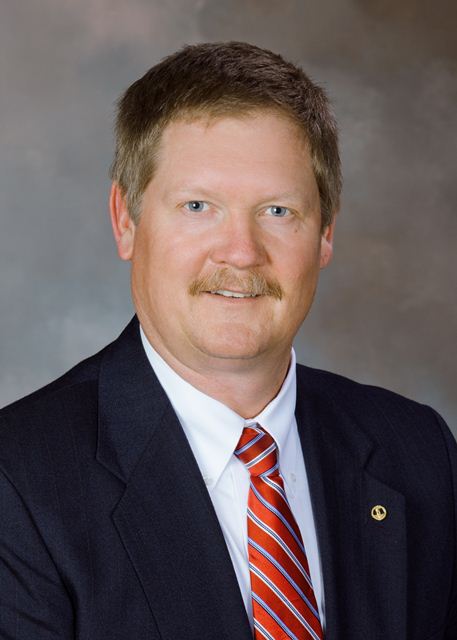
Del. Tony Wilt
Sponsored bills
Polling places; prohibited activities or conduct;application to locations for absentee voting in person. Clarifies that the provisions of law prohibiting certain activities or conductin and around a polling place also apply to offices of the generalregistrar, voter satellite offices, and drop-off locations duringthe period that absentee voting in person is available.
Window tint; emergency vehicles. Authorizeswindow tinting on all emergency medical services vehicles and vehiclesused to fight fire, including publicly owned state forest wardenvehicles. Current law authorizes tinting on the rear and rear sidewindows of emergency medical services vehicles used to transportpatients.
Absentee voting; absentee voting in person;available beginning 30 days prior to election. Limits the availabilityof absentee voting in person to 30 days before the election. Undercurrent law, absentee voting in person is available beginning 45 days prior to the election.
Child day centers operated by religious institutions; exemption from licensure by Superintendent of Public Instruction.Exempts fully from the statutory requirement to be licensed by theSuperintendent of Public Instruction any child day center that is operated or conducted under the auspices of a religious institutionthat (i) has tax exempt status as a nonprofit religious institutionin accordance with § 501(c) of the Internal Revenue Code of 1954,as amended, or (ii) owns and exclusively occupies real property thatis exempt from local taxation. Under current law, such child daycenters are exempt from licensure but are still subject to severalenumerated requirements. The bill, however, preserves the requirementfor such child day centers to conduct background checks for employeesand volunteers and prohibits the employment or service at such child day centers of any such individual who has been convicted of anybarrier crime as defined in relevant law or who is the subject ofa founded complaint of child abuse or neglect.
Discharge plans; portions provided to division superintendents in certain circumstances. Provides that prior to the discharge of any minor or individual who has been admitted to inpatient treatment and is a student at a public elementary or secondary school, if the facility deems that the discharge of such minor poses a threat of violence or physical harm to self or others, only portions of the discharge plan related to the threat of violence or physical harm shall be provided to the division superintendent upon the completion of the discharge plan.
State Air Pollution Control Board; motor vehicleemissions standards. Repeals the requirement that the State AirPollution Control Board implement a low-emissions and zero-emissionsvehicle program for motor vehicles with a model year of 2025 andlater. The bill prohibits the Board from adopting or enforcing anymodel year standards related to control of emissions from new motorvehicles or new motor vehicle engines, including low-emission vehicleand zero-emission vehicle standards pursuant to the federal CleanAir Act and prohibits the Commonwealth from requiring any new motorvehicle or new motor vehicle engine to be certified as compliantwith model year standards related to the control of emissions adoptedby California for which a waiver has been granted pursuant to thefederal Clean Air Act.
Celebrating the life of Karen Harrison Jones.
Industrial hemp; maximum THC concentration.Increases from 0.6 percent to one percent, in the definition ofindustrial hemp, the maximum allowable concentration of tetrahydrocannabinol(THC) in the plant Cannabis sativa. The bill allows the Commissionerof Agriculture and Consumer Services to destroy Cannabis sativa foundto have a THC concentration greater than one percent only if suchCannabis sativa is intended for human consumption; reduces the applicationand registration requirements for any person seeking to grow, dealin, or process industrial hemp; and prohibits the Board of Agricultureand Consumer Services and the Commissioner from adopting any regulationthat prohibits the use of industrial hemp or hemp products in theproduction of any commercial feed product regulated by the Board.