

Maddy summaryThis bill formally recognizes the Virginia Young Democrats Disability Caucus, a group within the Democratic Party that advocates for the interests of people with disabilities. It does not create new laws or change policies but serves as a ceremonial acknowledgment of the caucus's work. The measure was approved by the House of Representatives through a voice vote, indicating broad support for the recognition.
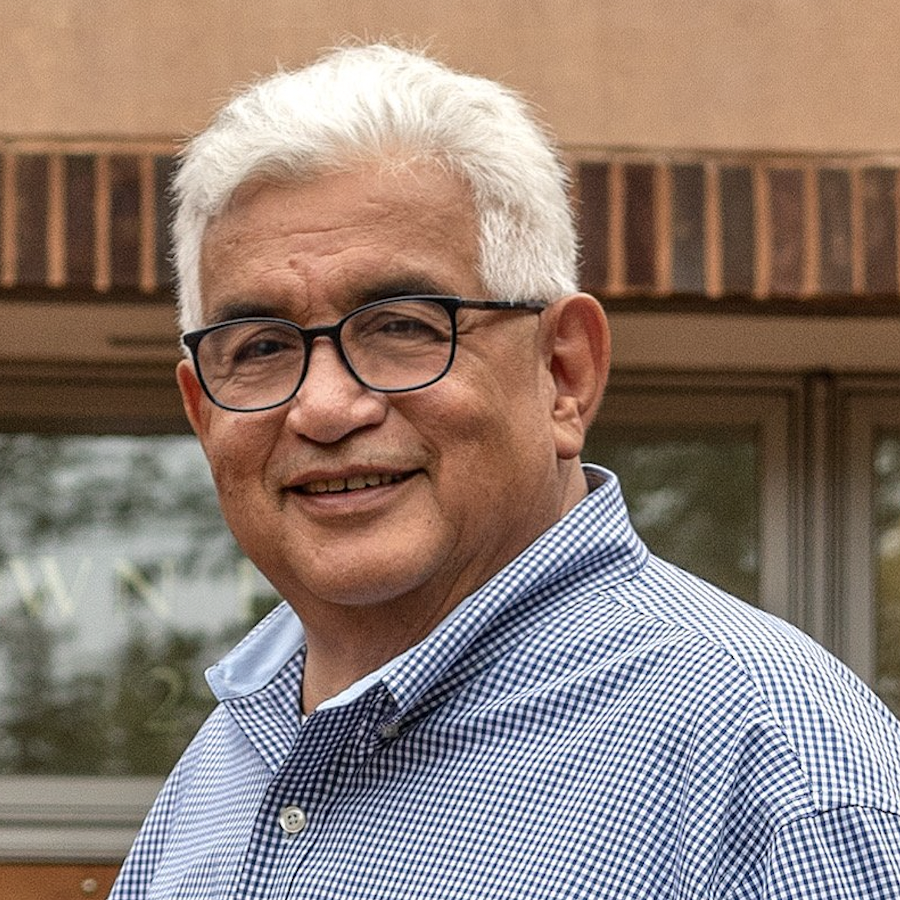
Del. Marty Martinez
Sponsored bills
Maddy summaryThis bill formally recognizes the achievements of the Varina High School football team through a commendation resolution. It does not create new laws, allocate funding, or change any policies, but instead serves as an official acknowledgment of the team's accomplishments. The measure was passed by the House of Representatives via a voice vote and is intended to honor the team without imposing any legal obligations or financial commitments.
Maddy summaryThis bill formally recognizes Aldrin Elementary School through a commendation resolution. It does not create new laws, allocate funds, or change any policies. The measure serves as a symbolic gesture to honor the school and was passed by the House of Representatives by voice vote.
Maddy summaryThis bill formally recognizes and commends Daniel Webster Marshall III, a member of the House of Representatives. It does not create new laws or change existing policies but serves as an official acknowledgment of his service. The measure was passed by the House through a voice vote and is now awaiting further legislative steps.
Maddy summaryThis bill formally recognizes the John Marshall High School boys' basketball team. It does not change any laws or policies but serves as a ceremonial acknowledgment of the team's achievements. The measure was passed by the House through a voice vote and is a non-binding resolution with no legal effect.
Property under common ownership; creation of easements. Provides that a private appurtenant easement may be created for any purposes by the owner of the dominant and servient estate by the recordation of an instrument that grants or reserves such easement. The bill further provides that the rule of property law known as the doctrine of merger shall not prevent such grant or reservation.
Maddy summaryThis bill formally recognizes and commends the Phi Beta Kappa Society for its contributions to higher education and academic excellence. It does not create new laws or change existing policies but serves as a ceremonial acknowledgment of the organization's role in promoting scholarly achievement. The measure was passed by the House of Representatives through a voice vote, indicating broad support for the tribute. As a commemorative resolution, it has no direct impact on individuals or organizations beyond expressing official appreciation.
Maddy summaryThis bill formally recognizes Claude W. Harrison through a congressional commendation. It does not create any new laws, regulations, or policy changes. The measure simply expresses appreciation for Harrison's contributions and is symbolic in nature. It affects no individuals or organizations beyond acknowledging Harrison's legacy.
Additional local sales and use tax to support schools; referendum. Authorizes all counties and cities to impose an additional local sales and use tax at a rate not to exceed one percent with the revenue used only for capital projects for the construction or renovation of schools if such levy is approved in a voter referendum. The bill removes the requirement that such a tax must have an expiration date on either (i) the date of the repayment of any bonds or loans used for such capital projects or (ii) a date chosen by the governing body. Under current law, only Charlotte, Gloucester, Halifax, Henry, Mecklenburg, Northampton, Patrick, and Pittsylvania Counties and the City of Danville are authorized to impose such a tax.
Maddy summaryThis is a ceremonial resolution (not a substantive bill) honoring the late Barnie Keith Day. It formally celebrates his life and contributions, as specified in the title and abstract. The resolution was approved by both the Senate and House in early 2026 and now awaits final enactment. It does not create new laws, change policies, or directly affect any individuals or groups.