

In committee Jan 9, 2019
1 co-sponsor
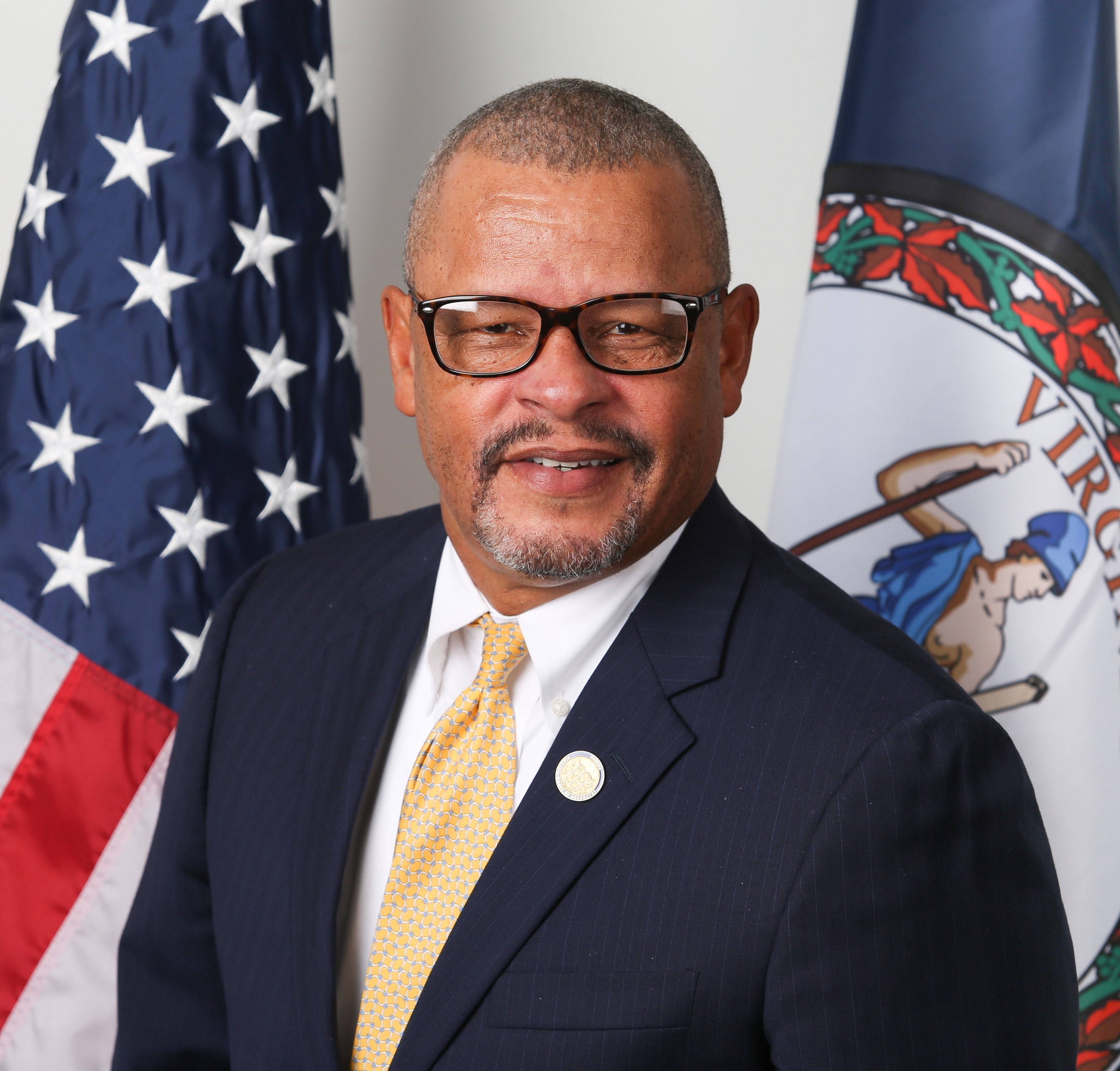
D
Virginia House of Delegates
·
District 24
Del. Luke Torian
Total votes
17,430
all sessions
Attendance
98%
218 missed
Near the chamber average
With party
98%
of cast votes
Near the chamber average
Bipartisan score
1%
crosses aisle rarely
Near the chamber average
Sponsored
601
bills & resolutions
Near the chamber average
Committees
3
assignments
601 bills and resolutions
Sponsored bills
Total
601
Primary
117
Co-sponsor
484
This page
601
matching current filters
Coal combustion residuals; Chesapeake Bay watershed, closure.
Requires the owner or operator of any coal combustion residuals (CCR) unit, defined in the bill to include a coal ash pond or landfill, that is located in the Chesapeake Bay watershed to close such CCR unit by removing all of the CCR for (i) recycling, known as encapsulated beneficial use, or (ii) deposition in a permitted and lined landfill that meets certain federal standards. Any owner or operator that disposes of CCR in such a landfill is required to explain why recycling is not economically feasible. Such a closure project shall be completed within 15 years of its initiation and shall be accompanied by water testing or a connection to a municipal water supply for every residence within one-half mile.
In committee Jan 8, 2019
1 co-sponsor
In committee Dec 27, 2018
1 co-sponsor
Transportation processes in the Commonwealth; responsibilities of transportation entities, funding.
Expands the responsibilities of the Office of Intermodal Planning and Investment of the Secretary of Transportation (Office). The bill clarifies the residency requirements for the urban and rural at-large members of the Commonwealth Transportation Board (Board) and provides that no member of a governing body of a locality is eligible to be appointed to the Board during his term of office. The bill provides that the Board's Six-Year Improvement Program shall only commit funds from the State of Good Repair Program, the High Priority Projects Program, or the Highway Construction District Grant Programs to a project or program if such commitment is sufficient to complete the project or program. The bill changes the timing of reports from annually to biennially, expands the requirements of the biennial report provided by the Commissioner of Highways, and requires the Office to submit a biennial report as described in the bill. The bill decreases the maximum matching allocation that the Board may make to a locality from $10 million to $5 million and provides that no more than $2.5 million of such funds can be used for the maintenance of highway systems. The bill changes the amount of Commonwealth funds allocated to the Board for revenue-sharing from no less than $15 million and no more than $200 million to not in excess of $100 million or seven percent of funds available for distribution by the Board from all funds made available for highway purposes, whichever is greater.
Passed Mar 16, 2018
1 co-sponsor
Grand larceny; increases threshold amount.
Increases from $200 to $500 the threshold amount of money taken or value of goods or chattel taken at which the crime rises from petit larceny to grand larceny. The bill increases the threshold by the same amount for the classification of certain property crimes. This bill is identical to
Passed Mar 15, 2018
1 co-sponsor
Workforce Development, Virginia Board of; strategies to identify and engage certain persons.
Directs the Virginia Board of Workforce Development to recommend strategies to identify and engage discouraged workers and unemployed individuals not currently served by the workforce system and measurably improve the performance of federal Workforce Innovation and Opportunity Act of 2014 Title 1 Youth programs so they lead to improved employability and the development of skills to enter the workforce in a high-demand field. The Board shall report on the recommended strategies by October 1, 2019.
Passed Mar 14, 2018
1 co-sponsor
Manufactured Home Lot Rental Act; definition of manufactured home park.
Reduces from 10 to five the minimum number of manufactured homes on a parcel of land under single or common ownership that meets the definition of a manufactured home park subject to the Manufactured Home Lot Rental Act (§ 55-248.41 et seq.).
Passed Mar 14, 2018
0 co-sponsors
Virginia Economic Development Partnership Authority; members of Authority are voting members.
Clarifies (i) that the members of the Virginia Economic Development Partnership (VEDP) Authority appointed by the Governor and the Joint Rules Committee are voting members of the Authority and (ii) the authority of VEDP to direct the Attorney General to enforce contracts related to the award of economic incentives. The bill adds a member of the VEDP Authority, to be appointed by the chairman, to each of the Committee on Business Development and Marketing and the Committee on International Trade and clarifies that these committees are advisory in nature. The bill also extends to the Joint Legislative Audit and Review Commission (JLARC) the existing closed meeting exemption for discussion of portions of the VEDP strategic, marketing, and operational plans that are exempt from public disclosure. Current law requires that VEDP report on these plans to the JLARC subcommittee on economic development but does not provide an exemption for discussion of the portions of those plans not subject to public disclosure.
Passed Mar 12, 2018
1 co-sponsor
School board; policies prohibiting abusive work environment.
Requires each school board to adopt policies to (i) prohibit abusive work environments in the school division, (ii) provide for the appropriate discipline of any school board employee who contributes to an abusive work environment, and (iii) prohibit retaliation or reprisal against a school board employee who alleges an abusive work environment or assists in the investigation of an allegation of an abusive work environment.
Passed Mar 10, 2018
0 co-sponsors
In committee Mar 10, 2018
1 co-sponsor
Ask Maddy
·
AI policy assistant
Ask Maddy about Luke Torian
Scope: virginia
Hi! I can help you understand Luke Torian's legislative record. What would you like to know?
Try one of these
i
Maddy answers using official bill text and legislative records. Always verify before sharing.
Sources cited inline