

Charitable gaming; social organizations and social quarters; electronic gaming. Provides that the conduct of electronic gaming, defined in the bill, is restricted to qualified social organizations on their premises or other qualified organizations that lease the premises of a qualified social organization pursuant to the guidelines set out in the bill. The bill eliminates the exceptions related to the sale of instant bingo, pull tabs, or seal cards or the conduct of bingo games in current law for veterans and fraternal organizations. The bill provides that such qualified organizations shall be subject to two prohibitions that, under current law, apply to all other organizations, as defined in relevant law: (i) they are prohibited from selling instant bingo, pull tabs, or seal cards or conducting bingo games outside of their home locality and (ii) they are prohibited from offering such games at an establishment that has been granted a license by the Alcoholic Beverage Control Authority unless they hold such license. The bill provides that, with the exception of social organizations qualified under § 501(c)(7) of the Internal Revenue Code, all gross receipts attributable to electronic gaming shall be reported to the Department of Agriculture and Consumer Services (the Department) and shall be subject to application, audit, and administration fees. Under the provisions of the bill, social organizations that are exempt from taxation pursuant to § 501(c)(7) of the Internal Revenue Code are permitted to conduct electronic gaming until such organizations reach $200,000 in electronic gaming adjusted gross receipts, defined in the bill, during any 12-month period. Such organizations are required to report their adjusted gross receipts to the Department and are subject to application, audit, and administration fees based on their adjusted gross receipts. The bill provides that application fees shall be paid to the Department by the qualified organization and that audit fees may be paid to the Department either by the qualified organization or the electronic gaming manufacturer that provides electronic gaming devices to such organization. The bill imposes on any person or organization conducting charitable gaming without a permit a civil penalty of not less than $25,000 and not more than $50,000 per incident. Finally, the bill sets out via a second enactment provisions that require qualified organizations permitted to conduct electronic gaming to report and pay all required fees to the Department based on such organization's electronic gaming adjusted gross receipts. The provisions of the first enactment of the bill requiring the use of a qualified organization's electronic gaming gross receipts for the purpose of reporting and payment of required fees has an expiration date of July 1, 2024. The provisions of the second enactment of the bill requiring the use of a qualified organization's electronic gaming adjusted gross receipts for the purpose of reporting and payment of required fees has a delayed effective date of July 1, 2024. This bill is identical to HB 763.
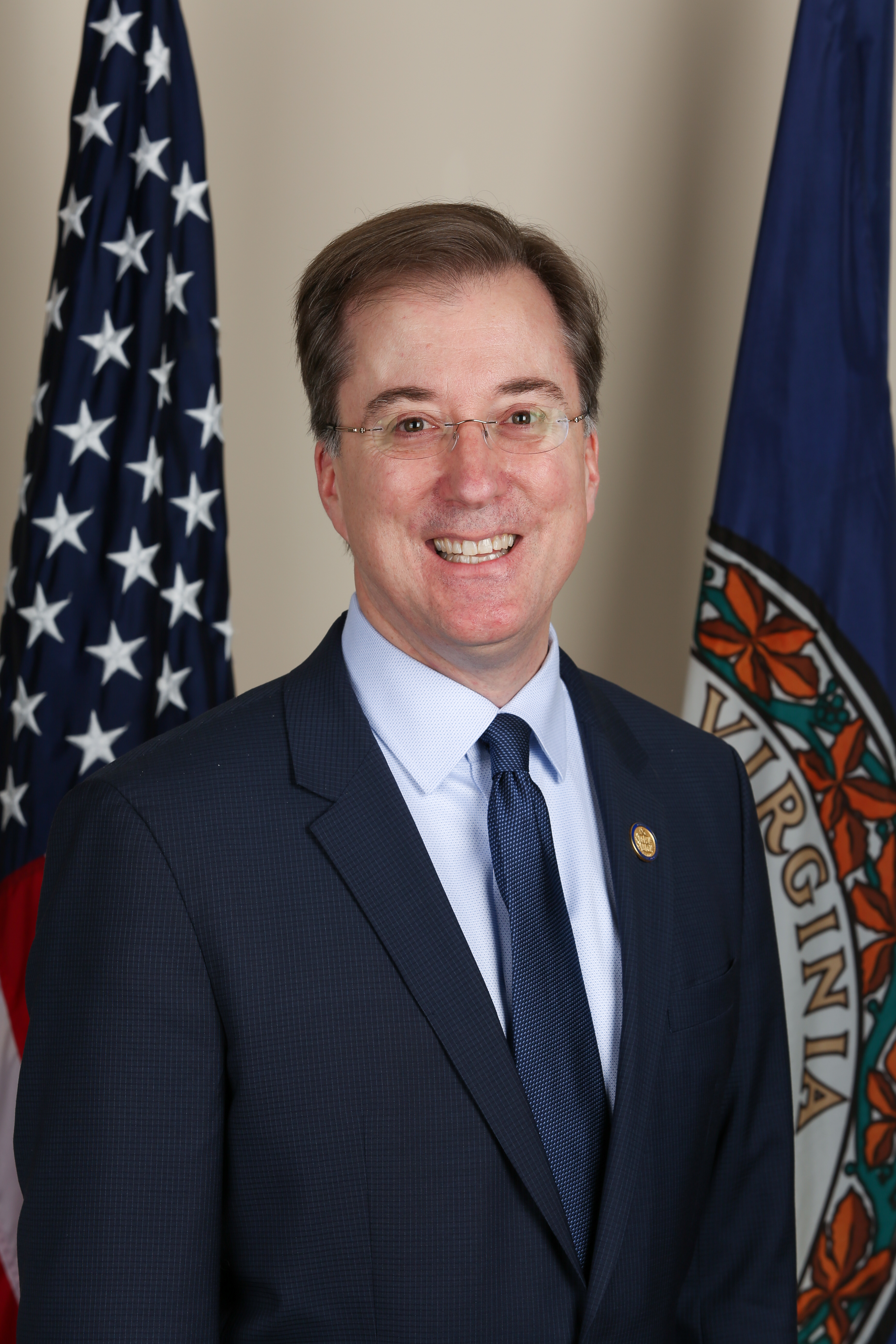
Del. Paul Krizek
Sponsored bills
Charitable gaming; social organizations and social quarters; electronic gaming. Provides that the conduct of electronic gaming, defined in the bill, is restricted to qualified social organizations on their premises or other qualified organizations that lease the premises of a qualified social organization pursuant to the guidelines set out in the bill. The bill eliminates the exceptions related to the sale of instant bingo, pull tabs, or seal cards or the conduct of bingo games in current law for veterans and fraternal organizations. The bill provides that such qualified organizations shall be subject to two prohibitions that, under current law, apply to all other organizations, as defined in relevant law: (i) they are prohibited from selling instant bingo, pull tabs, or seal cards or conducting bingo games outside of their home locality and (ii) they are prohibited from offering such games at an establishment that has been granted a license by the Alcoholic Beverage Control Authority unless they hold such license. The bill provides that, with the exception of social organizations qualified under § 501(c)(7) of the Internal Revenue Code, all gross receipts attributable to electronic gaming shall be reported to the Department of Agriculture and Consumer Services (the Department) and shall be subject to application, audit, and administration fees. Under the provisions of the bill, social organizations that are exempt from taxation pursuant to § 501(c)(7) of the Internal Revenue Code are permitted to conduct electronic gaming until such organizations reach $200,000 in electronic gaming adjusted gross receipts, defined in the bill, during any 12-month period. Such organizations are required to report their adjusted gross receipts to the Department and are subject to application, audit, and administration fees based on their adjusted gross receipts. The bill provides that application fees shall be paid to the Department by the qualified organization and that audit fees may be paid to the Department either by the qualified organization or the electronic gaming manufacturer that provides electronic gaming devices to such organization. The bill imposes on any person or organization conducting charitable gaming without a permit a civil penalty of not less than $25,000 and not more than $50,000 per incident. Finally, the bill sets out via a second enactment provisions that require qualified organizations permitted to conduct electronic gaming to report and pay all required fees to the Department based on such organization's electronic gaming adjusted gross receipts. The provisions of the first enactment of the bill requiring the use of a qualified organization's electronic gaming gross receipts for the purpose of reporting and payment of required fees has an expiration date of July 1, 2024. The provisions of the second enactment of the bill requiring the use of a qualified organization's electronic gaming adjusted gross receipts for the purpose of reporting and payment of required fees has a delayed effective date of July 1, 2024. This bill is identical to SB 403.
Local government hiring; people with disabilities. Requires any locality to take into consideration or give preferenceto an individual's status as a person with a disability in its employmenthiring policies and practices, provided that such person with a disabilitymeets all of the knowledge, skills, and eligibility requirementsfor the available position.
Historical African American cemeteries. Changes the date of establishment that qualifies historical African American cemeteries for appropriated funds to care for such cemeteries from prior to January 1, 1900, to prior to January 1, 1948, and provides that the total number of graves in a qualifying cemetery shall be the number of markers of African Americans who were interred in such cemetery prior to January 1, 1948. Under current law, the total number of graves is the number of markers of African Americans who lived at any time between January 1, 1800, and January 1, 1900. This bill is identical to SB 477.
Virginia Department of Agriculture and Consumer Services; Charitable Gaming Board; powers and duties. Changes the Charitable Gaming Board (the Board) from a policy board to an advisory board in the executive branch of state government, decreases the membership from 11 members to nine members, and moves the power and duty to promulgate regulations related to charitable gaming in the Commonwealth from the Board to the Department of Agriculture and Consumer Services (the Department). The bill provides that (i) the current regulations enacted by the Board shall be administered by the Department and remain in full force and effect until the Department promulgates new regulations pursuant to this bill and (ii) notwithstanding clause (i), the regulations promulgated by the Board regarding Texas Hold'em poker games and tournaments, which became effective on March 23, 2021, and were rescinded by the General Assembly pursuant to Item 105 of Chapter 552 of the Acts of Assembly of 2021, Special Session I, shall not take effect, but the Department shall promulgate regulations regarding Texas Hold'em poker games and tournaments consistent with the provisions of Chapter 982 of the Acts of Assembly of 2020 and pursuant to the provisions of the Administrative Process Act. The bill contains technical amendments. This bill is identical to SB 402.
Manufactured Home Lot Rental Act; notice ofintent to sell. Requires the owner of a manufactured home parkwho offers or lists the park for sale to a third party to providewritten notice of the prospective sale to the locality where thepark is located. Under current law, such notice is only requiredto be sent to the Department of Housing and Community Development.The bill also provides that acceptance of an offer to purchase amanufactured home park is contingent upon the park owner sendingwritten notice of the proposed sale, including certain informationlisted in the real estate purchase contract, to the locality wherethe park is located at least 90 days before the closing date. Undercurrent law, such notice is required to be sent only to the Departmentof Housing and Community Development at least 60 days before theclosing date. Additionally, these notices are to be provided toany tenant of the manufactured home park, in clear, understandablelanguage and translated into the tenant's preferred language if thetenant is unable to speak or understand English adequately enoughto understand the content of such notice.
Virginia Department of Agriculture and Consumer Services; Charitable Gaming Board; powers and duties. Changes the Charitable Gaming Board (the Board) from a policy board to an advisory board in the executive branch of state government, decreases the membership from 11 members to nine members, and moves the power and duty to promulgate regulations related to charitable gaming in the Commonwealth from the Board to the Department of Agriculture and Consumer Services (the Department). The bill provides that (i) the current regulations enacted by the Board shall be administered by the Department and remain in full force and effect until the Department promulgates new regulations pursuant to this bill and (ii) notwithstanding clause (i), the regulations promulgated by the Board regarding Texas Hold'em poker games and tournaments, which became effective on March 23, 2021, and were rescinded by the General Assembly pursuant to Item 105 of Chapter 552 of the Acts of Assembly of 2021, Special Session I, shall not take effect, but the Department shall promulgate regulations regarding Texas Hold'em poker games and tournaments consistent with the provisions of Chapter 982 of the Acts of Assembly of 2020 and pursuant to the provisions of the Administrative Process Act. The bill contains technical amendments. This bill is identical to HB 765.
Horse racing and pari-mutuel wagering; prohibitionon persons under 21 years of age; penalty. Raises from 18 to21 years of age the minimum age for a person to wager on or conduct any wagering on the outcome of a horse race or to be admitted intoa satellite facility without being accompanied by such person's parentor legal guardian.
Horse racing and pari-mutuel wagering; prohibitionon persons under 21 years of age; penalty. Raises from 18 to21 years of age the minimum age for a person to wager on or conductany wagering on the outcome of a horse race or to be admitted intoa satellite facility without being accompanied by such person's parentor legal guardian.
Wagering on historical horse racing; licensee retained funds for distribution to Problem Gambling Treatment and Support Fund and localities. Provides that with respect to the first 3,000 authorized terminals, 0.01 percent of the amount that a horse racing licensee retains from wagering on historical horse racing pools shall be deposited in the Problem Gambling Treatment and Support Fund. The bill reduces from 0.75 to 0.74 the percentage of such retained amount that accrues to the general fund. The bill also provides that with respect to the 2,000 terminals authorized by the 2020 Session of the General Assembly, a horse racing licensee shall retain 1.6 percent from wagering on historical horse racing pools, to be distributed as follows: 0.95 percent of such retained amount to the Commonwealth as a license tax, 0.01 percent to the Problem Gambling Treatment and Support Fund, and (i) if generated at a racetrack, 0.64 percent to the locality in which the racetrack is located or (ii) if generated at a satellite facility, 0.32 percent to the locality in which the satellite facility is located and 0.32 percent to the Virginia locality in which the racetrack is located.