

Commending the ASK Childhood Cancer Foundation.
Commending the ASK Childhood Cancer Foundation.
Passed Feb 15, 2024
1 co-sponsor
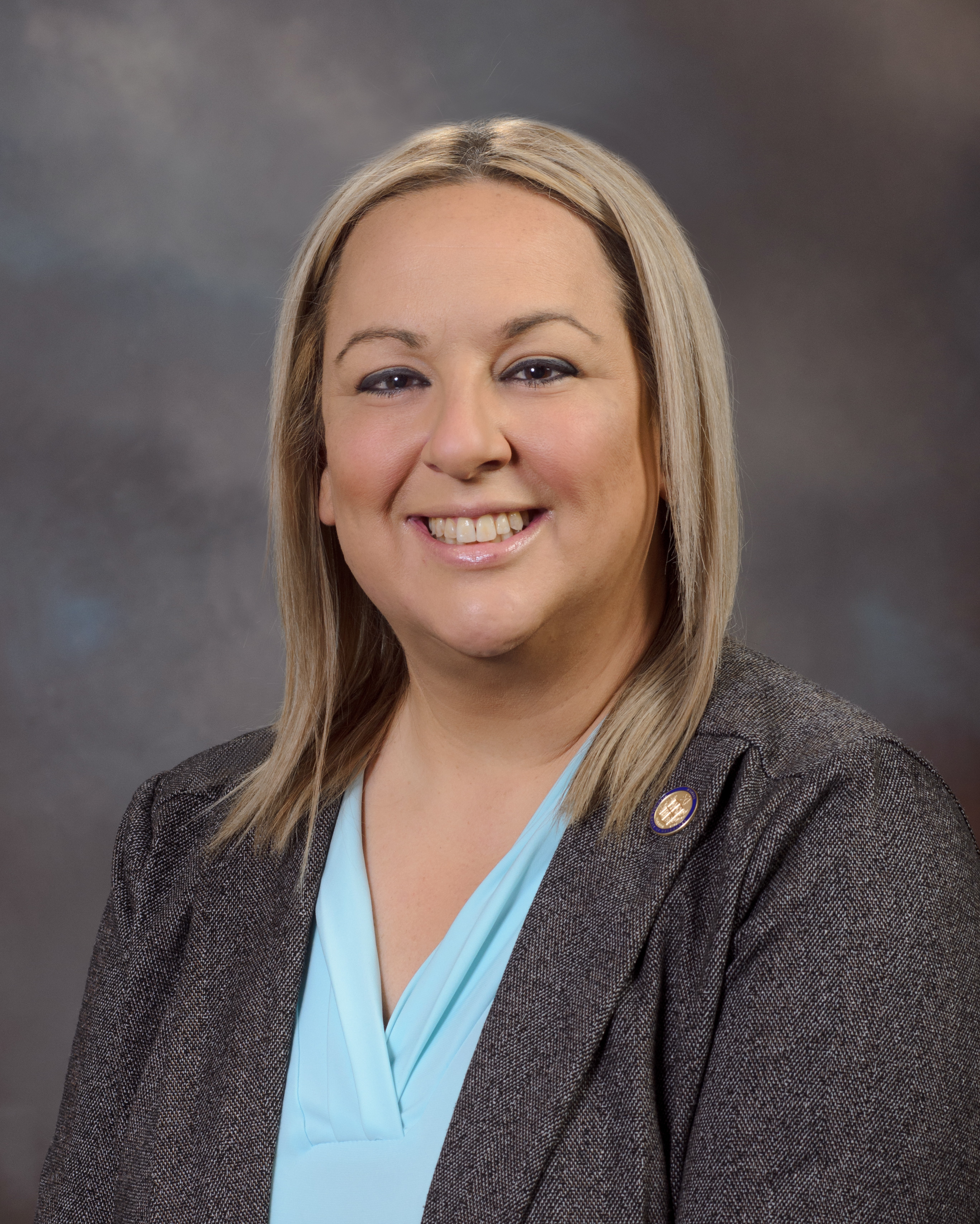
Commending the ASK Childhood Cancer Foundation.
Transportation projects; highway safety.Prohibits the initiation of any transportation project in an establishedschool crossing zone unless a pedestrian safety-focused road safetyaudit is conducted and its recommendations are incorporated intothe project plan. The bill requires the Commonwealth TransportationBoard, in administering the Virginia Highway Safety Improvement Program,to prioritize infrastructure projects that address a hazardous roadlocation or feature or address an identified highway safety problemlocated in a school crossing zone.
Department of Medical Assistance Services; reimbursement rates for Early Intervention Program for Infants and Toddlers withDisabilities; work group; report. Directs the Department of MedicalAssistance Services to convene a work group of relevant stakeholdersto assess and make recommendations related to reimbursement ratesfor the federal Early Intervention Program for Infants and Toddlerswith Disabilities. The bill requires the work group to report itsrecommendations to the Chairmen of the House Committee on Health,Welfare and Institutions and the Senate Committee on Education andHealth by November 1, 2024.
Local government powers; regulation of tobacco,nicotine, and hemp product retail sale locations. Permits localitiesto regulate by ordinance the location of retail sale locations establishedafter July 1, 2024, that sell tobacco, nicotine, and hemp products.The bill provides that such ordinance may prohibit such retail sale locations within 1,000 linear feet of a public, private, or parochialschool.
Radar detectors. Authorizes the use andsale of devices and mechanisms to detect a radar, laser, or otherdevice or mechanism employed by law-enforcement personnel to measurethe speed of motor vehicles on the highways of the Commonwealth forlaw-enforcement purposes, commonly known as radar detectors. Thebill retains the prohibition on the use of such devices in a commercialmotor vehicle.
Restrictions on the sale of nicotine vapor products containing liquid nicotine and hemp products intended for smoking;civil penalties. Provides restrictions and prohibitions on certainretail sales that include (i) restrictions on the number of nicotinevapor products containing liquid nicotine, liquid nicotine containers,and hemp products intended for smoking, as such terms are defined in the bill, that may be sold in one transaction to a consumer; (ii)packaging, labeling, and signage requirements for those selling anynicotine vapor products containing liquid nicotine or hemp productsintended for smoking; (iii) advertising and marketing requirementsfor those selling any nicotine vapor products containing liquid nicotineor hemp products intended for smoking; (iv) education requirementsfor employees at retail establishments selling nicotine vapor productscontaining liquid nicotine or hemp products intended for smoking;and (v) online delivery sale requirements of nicotine vapor productscontaining liquid nicotine or hemp products intended for smoking.The Virginia Alcoholic Beverage Control Authority and the VirginiaDepartment of Agriculture and Consumer Services, as applicable, shallenforce such requirements and restrictions and shall impose civilpenalties on violations thereof.
Campaign finance; prohibited personal use of campaignfunds; complaints, hearings, civil penalty, and advisory opinions.Prohibits any person from converting contributions to a candidate or hiscampaign committee to personal use. Current law only prohibits such conversionof contributions with regard to disbursement of surplus funds at thedissolution of a campaign or political committee. The bill provides that acontribution is considered to have been converted to personal use if thecontribution, in whole or in part, is used to fulfill any commitment,obligation, or expense that would exist irrespective of the person's seeking,holding, or maintaining public office but allows a contribution to be used forthe ordinary and accepted expenses related to campaigning for or holdingelective office, including the use of campaign funds to pay for the candidate'schild care expenses that are incurred as a direct result of campaign activity.The bill provides that any person subject to the personal use ban may requestan advisory opinion from the State Board of Elections on such matters. The billdirects the State Board of Elections to adopt emergency regulations similar tothose promulgated by the Federal Election Commission to implement theprovisions of the bill and to publish an updated summary of Virginia campaignfinance law that reflects the State Board of Elections' and Attorney General'sguidance on the provisions of such law that prohibit the personal use ofcampaign funds and any new regulations promulgated by the State Board ofElections.
Consecutive terms of imprisonment. Eliminates the required imposition of mandatory consecutive sentences of imprisonment.
Sudden Unexpected Death in Epilepsy; protocol; information; training. Requires the Office of the Chief Medical Examiner to take certain actions upon the finding that an individual died from Sudden Unexpected Death in Epilepsy (SUDEP), defined in the bill. The bill directs the Office of the Chief Medical Examiner to publish information on SUDEP and a SUDEP death investigation form on its website. Additionally, the bill requires the Chief Medical Examiner and local medical examiners to complete training in the investigation of SUDEP on a triennial basis. The bill has a delayed effective date of January 1, 2025.
Paid family and medical leave insurance program; notice requirements; civil action. Requires the Virginia Employment Commission to establish and administer a paid family and medical leave insurance program with benefits beginning January 1, 2027. Under the program, benefits are paid to covered individuals, as defined in the bill, for family and medical leave. Funding for the program is provided through premiums assessed to employers and employees beginning January 1, 2026. The bill provides that the amount of a benefit is 80 percent of the employee's average weekly wage, not to exceed 80 percent of the state weekly wage, which amount is required to be adjusted annually to reflect changes in the statewide average weekly wage. The bill caps the duration of paid leave at 12 weeks in any application year and provides self-employed individuals the option of participating in the program.