

State Board of Local and Regional Jails; powersand duties. Requires the State Board of Local and Regional Jailswhen promulgating regulations and adopting any policy or guidancedocument related to the enforcement of any minimum standards applicableto local, regional, and community correctional facilities, to expresslyand specifically include such items in its published agenda for meetingsof the Board or any of its subcommittees.. The bill also providesthat the Board when developing and implementing policies and proceduresfor the review of the death of any inmate or when establishing minimumstandards for health care services, including medical, dental, pharmaceutical,and behavioral health services, in local, regional, and communitycorrectional facilities and procedures for enforcing such minimumstandards, the Board shall adhere to procedures of the AdministrativeProcess Act. The bill also provides that the Board in enforcing anyadopted health care services standards, the Board shall not find thefacility or its non-health care staff in violation of any such standardsdue to the actions or inactions of licensed medical or mental healthprofessionals, as long as the facility has met the applicable standardsto have such care available and relied on the opinion of such licensedprofessionals in the provision of care.
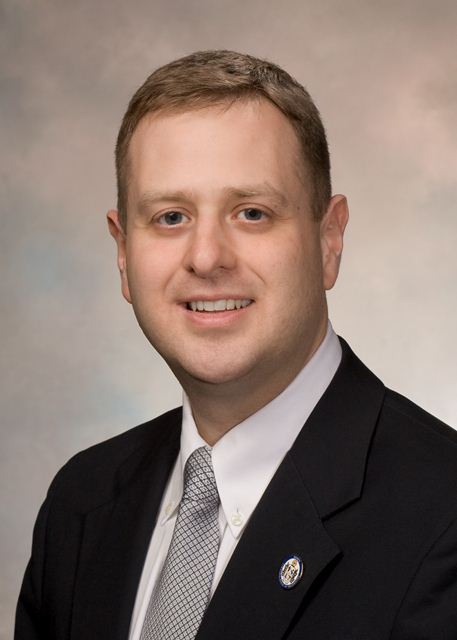
Del. Patrick Hope
Sponsored bills
Center for Rural Virginia; name change. Renames the Center for Rural Virginia as the Senator Frank M. Ruff, Jr. Center for Rural Virginia. This bill is identical to SB 704.
Public high schools; research-based hazing prevention instruction. Requires the Board of Education to develop Standards of Learning and curriculum guidelines for research-based hazing prevention instruction to be provided as a part of physical or health education instruction provided to students in grade nine or 10. The bill requires such hazing prevention instruction to include age-appropriate, extensive, and current education about hazing, including (i) examples of hazing; (ii) the dangers of hazing, including the consequences of alcohol intoxication; and (iii) school policies and laws related to hazing, including criminal penalties and bystander intervention. The bill requires such research-based hazing prevention instruction to be offered in-person but requires each school board to provide options for virtual participation for any student who is enrolled in an online or virtual physical or health education program. Finally, the bill requires each school board to provide such research-based hazing prevention instruction beginning with the school year following the Board's adoption of revised Standards of Learning for physical and health education for grades nine and 10 incorporating such research-based hazing prevention instruction and directs the Board to, in the intermediary time, develop and post on its website guidance documents for the purpose of making such research-based hazing prevention instruction available to local school boards. This bill is identical to SB 379.
Use of canines in correctional and juvenile correctional facilities; prohibited acts. Makes it unlawful for any correctional officer or other employee of a state correctional facility who is permitted to handle canines to use a patrol or security canine in any state correctional facility unless such correctional officer or other employee (i) reasonably believes that the use of a patrol or security canine is immediately necessary to protect any prisoner or any officer or employee from the threat of serious bodily injury or death or (ii) has the prior approval of the warden or a supervisor to use a patrol or security canine to intervene in an altercation, fight, or other incident between three or more prisoners. The bill also makes it unlawful for any juvenile correctional officer or other employee of a juvenile correctional facility to use a patrol or security canine in any juvenile correctional facility. The bill specifies that such provisions shall not apply to the training or use of detector canines or detector canine handlers.
Civil immunity; dentists and dental hygienists; mental health treatment for health care professionals; reporting requirements. Adds dentists and dental hygienists to the list of providers who are immune from civil liability for any act done or made in performance of his duties while serving as a member of or consultant to an entity that functions primarily to review, evaluate, or make recommendations on a professional program to address issues related to career fatigue and wellness in health care professionals. The bill also extends civil immunity to certain providers for any act done or made in performance of his duties while serving as a member of or consultant to an entity that functions primarily to arrange for or provide outpatient health care for health care professionals. The bill also revises the Board of Medicine reporting requirements when a health care professional is admitted for mental health treatment. Under the bill, if a health care professional is voluntarily admitted to a health care institution for treatment of a substance abuse or psychiatric illness and is no longer believed to be a danger within 30 days then no report will be made to the Board of Medicine. This bill is identical to SB 629.
Prevailing wage rate for underground infrastructure works by public service companies. Directs the Department of Labor and Industry to determine and make available the prevailing wage rate for underground infrastructure work. Under the bill, each public service company shall ensure that its bid specifications or other contracts applicable to underground infrastructure works require payment at the prevailing wage rate. The bill requires contractors and subcontractors to post the prevailing wage rate in a prominent and accessible place at the work site. The bill also requires each public service company, contractor, or subcontractor subject to the provisions of the bill to comply with certain recordkeeping requirements. Provisions of the bill apply to contracts entered into on or after July 1, 2024.
Commending the Honorable L. Kaye Kory.
Marriage lawful regardless of sex, gender, or race of parties; issuance of marriage license. Provides that no person authorized to issue a marriage license shall deny the issuance of such license to two parties contemplating a lawful marriage on the basis of the sex, gender, or race of the parties. The bill also requires that such lawful marriages be recognized in the Commonwealth regardless of the sex, gender, or race of the parties. The bill provides that religious organizations or members of the clergy acting in their religious capacity shall have the right to refuse to perform any marriage. This bill is identical to SB 101.
Official emblems and designations; state pollinator; European honey bee. Designates the honey bee (Apis mellifera)as the official state pollinator. The bill contains a technical amendment.
State Council of Higher Education for Virginia; membership. Requires the membership of the State Council of Higher Education for Virginia to include at least one nonlegislative citizen member who has served as a chief executive officer of an accredited nonprofit private institution of higher education whose primary purpose is to provide collegiate, graduate, or professional education and not to provide religious training or theological education. The bill has a delayed effective date of July 1, 2026, and is identical to SB 159.