

Entitles individuals to a family and medical leave insurance (FMLI) benefit payment for each month they are engaged in qualified caregiving, not to exceed 60 qualified caregiving days per year. Qualified caregiving means an activity, except regular employment, for a reason an individual is entitled to leave under the federal Family and Medical Leave Act of 1993. Benefits would amount to 66 percent of an individual's monthly wages, based on highest annual earnings from the prior three years, up to a capped monthly amount, and would be indexed to the national average wage index. If a person takes the maximum number of days, the benefits would range from a minimum benefit of $580 to a maximum benefit of $4,000 per month in the program's first year. To be eligible for benefits, an individual is required to (i) be insured for disability insurance benefits under the Social Security Act at the time his application is filed; (ii) have earned income from employment during the 12 months before filing the application; (iii) have filed an application for a FMLI benefit; and (iv) have been engaged in qualified caregiving, or anticipate being so engaged, during the 90-day period before the application is filed or within 30 days thereafter. The measure establishes the Family and Medical Leave Insurance Fund and requires FMLI benefit payments to be made only from this Fund. A tax of 0.2 percent is imposed on the wages received by every individual, and an excise tax of 0.2 percent of the wages paid in any calendar year by the employer with respect to their employment is imposed on employers. The measure has a delayed effective date of January 1, 2019.
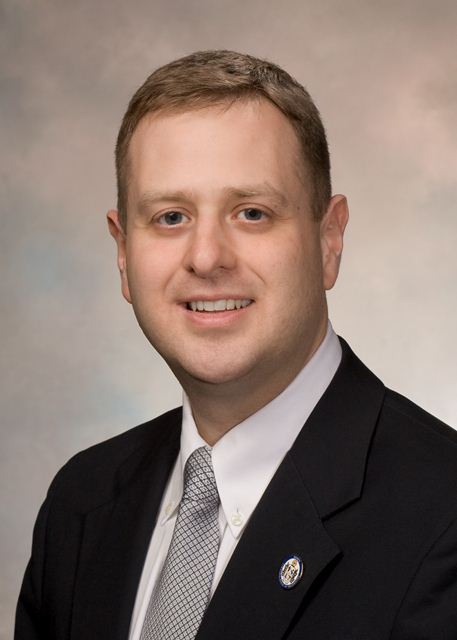
Del. Patrick Hope
Sponsored bills
Prohibits any health care provider or person who performs counseling as part of his training for any profession licensed by a regulatory board of the Department of Health Professions from engaging in sexual orientation change efforts with any person under 18 years of age. The bill defines "sexual orientation change efforts" as any practice or treatment that seeks to change an individual's sexual orientation or gender identity, including efforts to change behaviors or gender expressions or to eliminate or reduce sexual or romantic attractions or feelings toward individuals of the same gender. "Sexual orientation change efforts" does not include counseling that provides assistance to a person undergoing gender transition or counseling that provides acceptance, support, and understanding of a person or facilitates a person's coping, social support, and identity exploration and development, including sexual-orientation-neutral interventions to prevent or address unlawful conduct or unsafe sexual practices, as long as such counseling does not seek to change an individual's sexual orientation or gender identity. The bill provides that no state funds shall be expended for the purpose of conducting sexual orientation change efforts, referring a person for sexual orientation change efforts, extending health benefits coverage for sexual orientation change efforts, or awarding a grant or contract to any entity that conducts sexual orientation change efforts or refers individuals for sexual orientation change efforts.