

Maddy summaryThe Haskell Indian Nations University Improvement Act would establish Haskell Indian Nations University as a federally chartered corporation with its own independent board of trustees, removing it from direct management by the Bureau of Indian Education. This change would allow the university to accept private donations as a tax-exempt charitable organization, develop its own master plan for facilities, and better manage its operations. The university currently provides tuition-free higher education to over 900 Indian students representing approximately 140 tribes across the United States. The bill aims to address longstanding challenges in educational quality and campus maintenance, which have been cited in congressional inquiries.
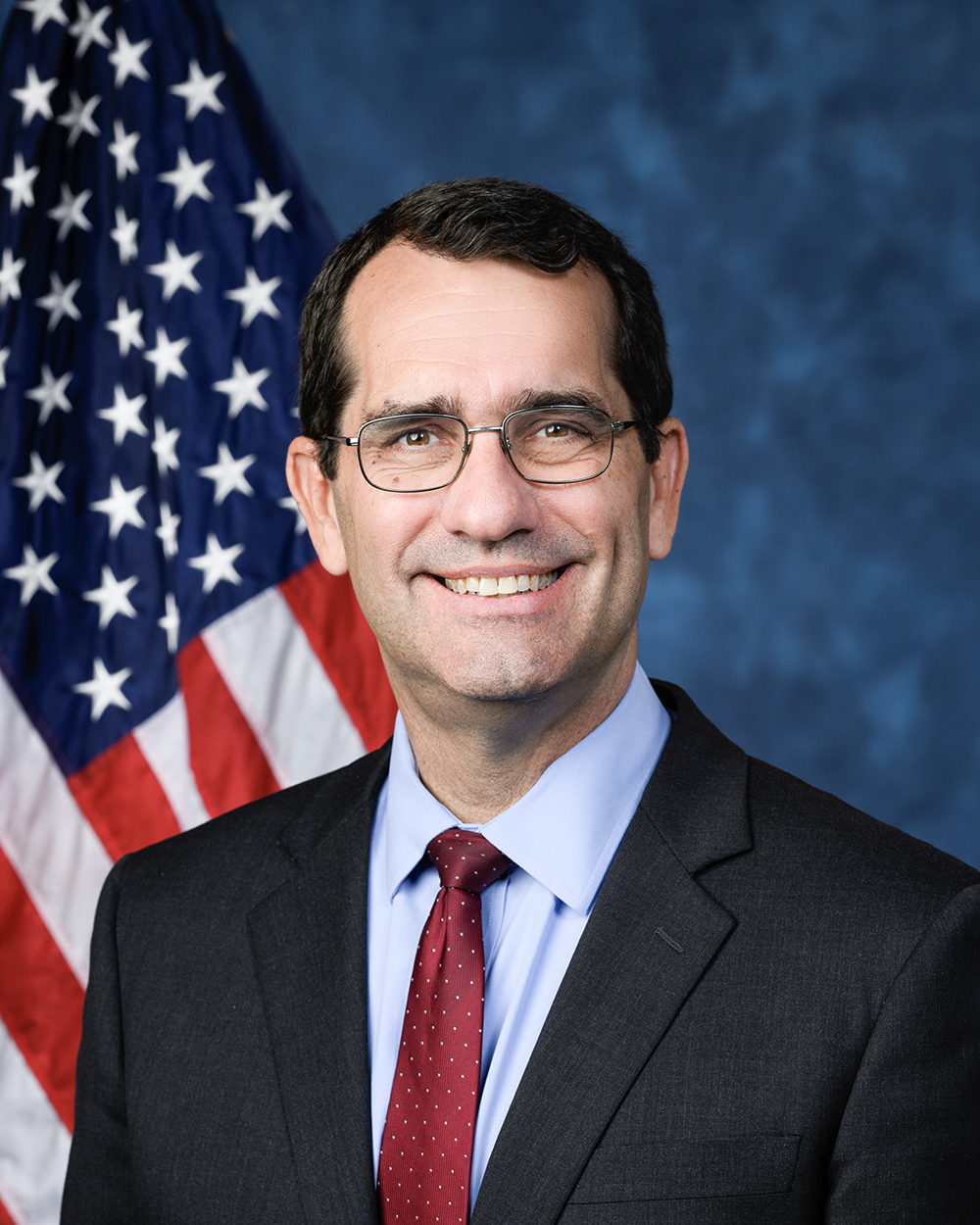
Rep. Derek Schmidt
Sponsored bills
Maddy summaryHR 4081, the Foreign Adversary Federal Offense Act of 2025, increases penalties for economic espionage and defense information offenses committed to benefit nations designated as adversaries by the U.S. government. It adds mandatory minimum 10-year prison terms (up to 20 years for severe harm) and fines up to $5 million for individuals, while imposing organizational fines of up to $20 million or 5 times the value of stolen trade secrets. The law specifically targets offenses involving critical infrastructure data - such as security vulnerabilities of systems covered under the USA PATRIOT Act - that could cause significant harm if exploited. This directly affects individuals and organizations convicted of sharing U.S. economic or defense secrets with foreign adversaries.
Maddy summaryThe FIRM Act (HR 2702) prohibits federal banking agencies from considering "reputational risk" in supervising banks and credit unions. It requires agencies to remove all references to reputational risk - defined as concerns about negative publicity affecting an institution's reputation - from regulations, examinations, and enforcement actions. The bill directly affects depository institutions (banks and credit unions) and federal regulators like the FDIC and CFPB, banning them from using reputational risk as a basis for supervision or enforcement. This policy change aims to limit regulatory actions based on subjective public opinion rather than financial safety and soundness.
Maddy summaryThis bill requires major internet companies (including social media, streaming services, and app stores) and broadband providers to contribute to the Universal Service Fund, which subsidizes affordable broadband in rural and high-cost areas. It exempts smaller companies that transmit less than 3% of U.S. broadband data or earn under $5 billion annually. The Federal Communications Commission must create a new support mechanism to help rural broadband providers cover costs, while ensuring contributions remain fair and predictable. The bill explicitly states it does not grant the FCC new authority over these companies.
Maddy summaryHR 3824, the Reducing Regulatory Burdens Act of 2025, removes a requirement for permits under the Clean Water Act for discharges of authorized pesticides into navigable waters. It amends the Federal Insecticide, Fungicide, and Rodenticide Act (FIFRA) and the Clean Water Act to state that EPA or states cannot mandate a permit for pesticide discharges resulting from legally authorized applications. The bill specifically exempts discharges from violations of pesticide law, stormwater, industrial manufacturing effluent, treatment works, and vessel operations. This directly affects pesticide users (like farmers) and regulatory agencies by eliminating a permitting step for routine pesticide applications already approved under FIFRA.
Maddy summaryThe STOP CSAM Act of 2025 would strengthen protections for child victims and witnesses in federal court by creating a new definition of "covered person" to include minors under 18 who are victims or witnesses of abuse, exploitation, or kidnapping. The bill requires internet service providers to report apparent child sexual exploitation to the CyberTipline within 60 days, with civil penalties of $50,000-$250,000 per violation and criminal fines up to $1 million for non-compliance. It also creates new civil remedies allowing victims to sue platforms that host or promote child sexual exploitation, with minimum $300,000 in damages. Additionally, large platforms would be required to submit annual reports to the Attorney General and FTC detailing their safety measures and child exploitation on their platforms.
Maddy summaryThis bill amends the Immigration and Nationality Act to expand the list of groups whose members or spokespeople are barred from entering the U.S. It specifically adds Hamas, Hezbollah, Al-Qaeda, ISIS, and Palestine Islamic Jihad to the existing list of terrorist organizations. The amendment clarifies that individuals affiliated with these groups, or who endorse their activities, are considered "aliens engaged in terrorist activity." This change directly affects foreign nationals affiliated with these designated groups or their successors/affiliates seeking U.S. entry.
Maddy summaryHR 884 prohibits non-U.S. citizens from voting in all District of Columbia elections, including for public office and ballot initiatives. It directly affects non-citizen residents of Washington, D.C., who currently vote under the repealed 2022 law. The bill repeals the Local Resident Voting Rights Amendment Act of 2022 (D.C. Law 24-242), restoring the previous rule that limited voting to U.S. citizens. This changes D.C.'s local election rules by removing voting rights for non-citizens, applying only to District-level elections, not federal elections.
Maddy summaryThis bill would require the Attorney General to annually identify state or local governments that fail to comply with federal immigration cooperation laws, such as sharing immigration status information or honoring detainer requests. Jurisdictions found non-compliant would lose eligibility for all federal financial assistance (including grants and programs) for at least one year. The law mandates annual reports to Congress and allows any member of Congress to request compliance reports on specific jurisdictions. It directly affects cities, counties, and states that do not follow federal immigration enforcement directives.
Maddy summaryHR 3870, the COAL POWER Act, repeals a specific Environmental Protection Agency (EPA) rule issued on May 7, 2024, which set emission standards for coal- and oil-fired power plants. This bill directly affects coal and oil-fired electric utilities by removing their requirement to comply with that particular EPA regulation (89 Fed. Reg. 38508). The key mechanism is a straightforward repeal, treating the rule as if it never took effect. The bill does not create new rules or alter existing environmental standards beyond this specific EPA action.