

Maddy summaryHR 4448, the Restoring Equal Opportunity Act, prohibits lawsuits alleging discrimination based on "disparate impact" in employment and housing. It amends the Civil Rights Act of 1964 and Fair Housing Act to ban claims where a neutral policy (like a test or screening rule) unintentionally disadvantages protected groups (such as race or gender), even if there was no discriminatory intent. The bill also nullifies specific federal regulations implementing civil rights laws, removing legal grounds for such claims under current enforcement rules. This directly affects employers, housing providers, and federal agencies that enforce civil rights laws, changing how discrimination claims can be brought in court.
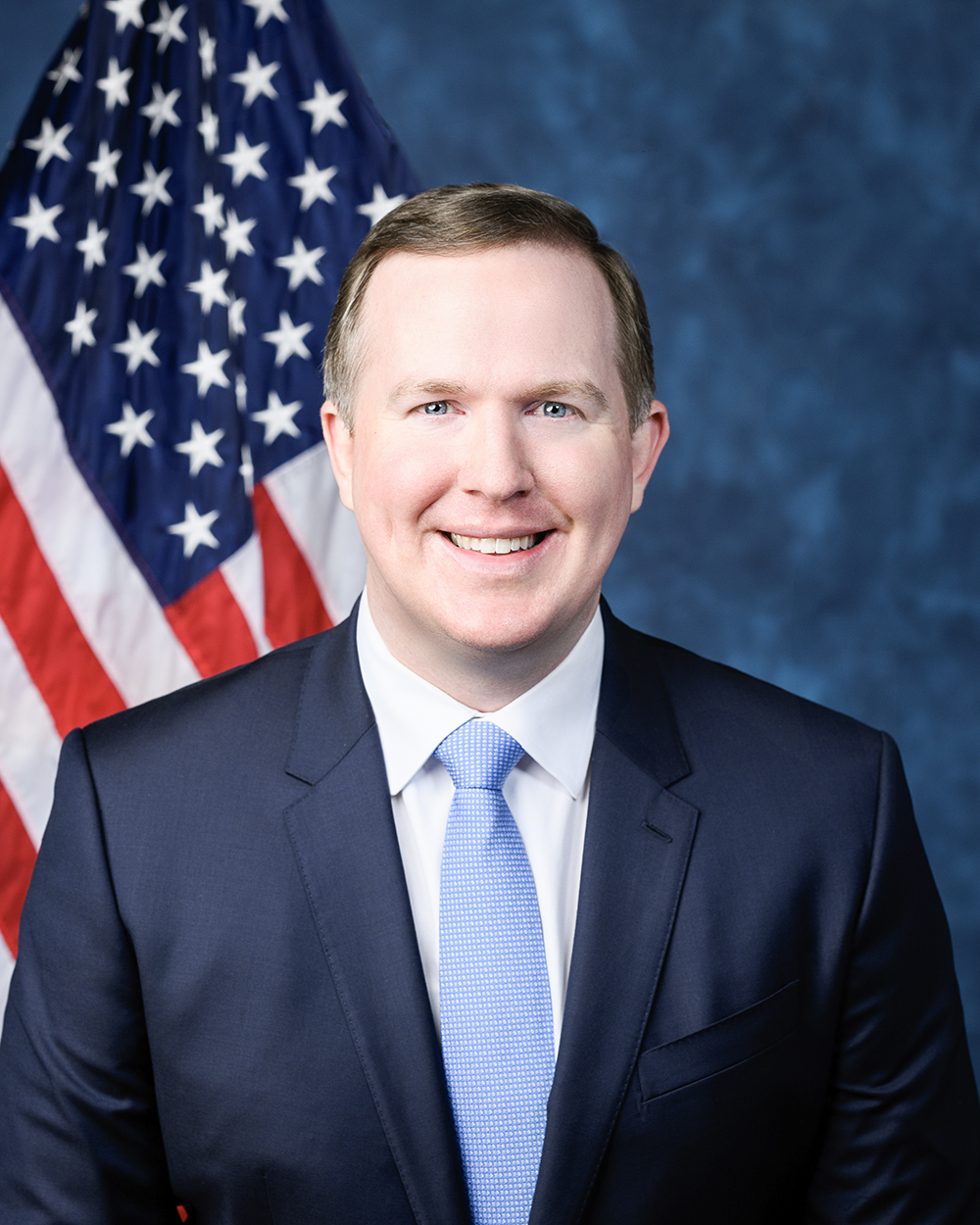
Rep. Brian Jack
Sponsored bills
Maddy summaryHR 4370, the SAMS Act of 2025, codifies five existing executive orders into law to strengthen U.S. mineral supply chains. It gives legal force to orders focused on securing critical minerals (like lithium and rare earths) for national security and economic resilience, directly affecting federal agencies implementing these strategies. Key provisions require agencies to follow these established policies - addressing reliance on foreign mineral sources, supporting domestic mining, and prioritizing national security in mineral processing - without creating new regulations. The bill does not alter current mineral policies but formally enshrines them as binding federal requirements.
Maddy summaryHR 4153, the STRONG Act, increases maximum loan limits for two key Small Business Administration (SBA) programs. It raises the cap for standard 7(a) loans from $3.75 million to $7.5 million (and the threshold for higher amounts from $5 million to $10 million), and doubles the cap for development company loans from $5 million to $10 million (for both standard and higher thresholds). These changes directly affect small businesses seeking SBA financing by allowing them to access larger loans for growth, expansion, or recovery. The bill modifies specific provisions in the Small Business Act and Small Business Investment Act to expand access to capital.
Maddy summaryThe Employee Rights Act (HR 4154) makes several significant changes to labor law. It requires secret ballot elections for union representation, prohibits employees without lawful immigration status from voting in union elections, and establishes new privacy protections for employee information used in organizing campaigns. The bill also changes the criteria for determining employee status under labor laws, creates "independent negotiating" for workers who have left union representation, and restricts what can be included in collective bargaining agreements regarding diversity initiatives. These changes would affect workers, employers, and labor organizations across the United States.
Maddy summaryHRES 447 is a non-binding House resolution condemning antisemitism and honoring Yaron Lischinsky and Sarah Milgrim, two Israeli Embassy employees killed during a peace-focused panel discussion in 2023. The resolution specifically condemns all forms of antisemitism - including violence, vandalism, and online harassment - and remembers the victims, who were killed by a far-left activist affiliated with the Party for Socialism and Liberation. It calls for enforcing existing hate crime laws and protecting religious freedom, without creating new legislation. This resolution symbolically supports Jewish communities and victims of antisemitic violence but does not alter legal requirements.
Maddy summaryThis resolution blocks a Department of Energy rule that would have set new energy efficiency standards for gas-fired instant water heaters. It prevents the rule from taking effect, meaning appliance manufacturers would not have to meet the proposed efficiency requirements. The rule, submitted in December 2024, directly affected manufacturers of these water heaters and consumers purchasing them. Congress approved this disapproval through a joint resolution passed on May 9, 2025.
Maddy summaryThis bill increases mandatory prison sentences for non-citizens convicted of certain crimes after entering the U.S. without authorization or being deported. It raises the minimum sentence from 2 to 5 years for those who improperly enter the U.S. and later commit a crime punishable by over one year in prison. For non-citizens previously deported who commit crimes, it increases the minimum sentence from 2 to 10 years and mandates at least 10 years for offenses including aggravated felonies, state/federal felonies, or crimes punishable by over one year. These changes apply to all non-citizens convicted under these circumstances, regardless of jurisdiction.
Maddy summaryThe SALUTE Act establishes a 5-year pilot program to provide supplemental insurance for military members and their TRICARE-eligible dependents who face uncovered cancer-related costs. It requires the Secretary of Defense to partner with up to two insurance companies to offer fixed indemnity plans that pay direct cash benefits for cancer screening, diagnosis, and treatment expenses not covered by standard military health benefits. These plans must operate separately from existing coverage, be available through TRICARE's online portal, and be funded entirely by enrollee premiums with no government subsidies. The program targets active-duty service members (Army, Navy, Marine Corps, Air Force, Space Force) and their TRICARE-enrolled dependents facing out-of-pocket cancer costs.
Maddy summaryHR 2968 prohibits the Small Business Administration (SBA) from using its programs or funds to assist with voter registration. It requires all SBA contracts to include terms banning recipients from using assistance for voter registration and prevents state or local governments receiving SBA funds from doing so. The bill directly affects SBA operations and its grant recipients, including state agencies, by restricting how federal funds can be utilized. It does not create new programs but limits the SBA’s existing authority to avoid involvement in voter registration activities.
Maddy summaryHR 3063, the Rural Hospital Stabilization Act of 2025, provides federal grants to help financially struggling rural hospitals in remote areas (defined as at least 15 miles from the nearest hospital and 20 miles from urban areas). The bill authorizes up to $5 million per hospital over five years for facility repairs, equipment upgrades, and operational costs like non-leadership payroll and debt payments, while requiring hospitals to demonstrate how projects address financial needs and ensure continued community access. Grants must supplement - not replace - existing funding, and hospitals must submit sustainability plans. The $500 million total funding authorization covers fiscal years after 2025, with a report to Congress on program outcomes within 18 months.