Issue · Labor & Employment

Labor & Employment (Employment Discrimination)

Every labor & employment bill, vote, and legislator stance in Virginia, automatically classified by Maddy, our AI policy reader.

Total bills
4
2026 Regular Session
Top supporter
Destiny LeVere Bolling
100% support rate
Top opponent
Chris Runion
0% support rate
Ranked legislators
10
5 support · 5 oppose
Key legislators

Who's moving employment discrimination in Virginia

Legislators moving employment discrimination in Virginia
Legislator Party Stance Support rate Votes
Destiny LeVere Bolling
Destiny LeVere Bolling House · District 80
D
Strong +
100% 7
Kelly Fowler
Kelly Fowler House · District 96
D
Strong +
100% 7
Michael Feggans
Michael Feggans House · District 97
D
Strong +
100% 7
Alfonso Lopez
Alfonso Lopez House · District 3
D
Strong +
100% 6
Dan Helmer
Dan Helmer House · District 10
D
Strong +
100% 6
Chris Runion
Chris Runion House · District 35
R
Strong −
0% 7
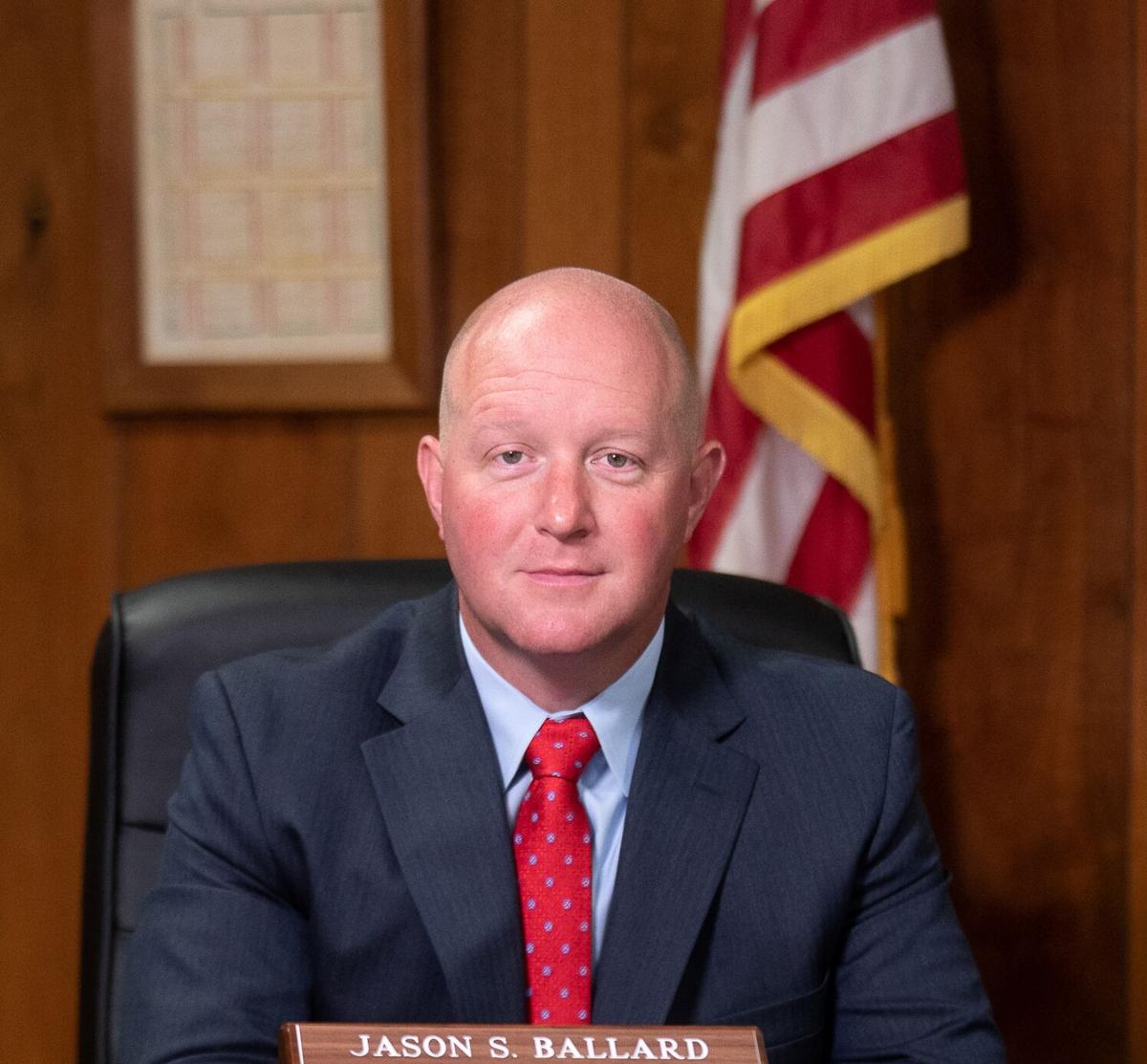
Jason Ballard
Jason Ballard House · District 42
R
Strong −
0% 7
Bill DeSteph
Bill DeSteph Senate · District 20
R
Strong −
0% 5
Bill Stanley
Bill Stanley Senate · District 7
R
Strong −
0% 5
Mark Obenshain
Mark Obenshain Senate · District 2
R
Strong −
0% 5
Showing 4 of 4 bills

All labor & employment bills

vetoed · Virginia · House of Delegates Apr 13, 2026

HB 636: Prospective employer; prohibited from seeking wage or salary history of prospective employees.

Prohibiting employer seeking wage or salary history of prospective employees; wage or salary range transparency; cause of action. Prohibits a prospective employer from (i) seeking the wage or salary history of a prospective employee; (ii) relying on the wage or salary history of a prospective employee in considering the prospective employee for employment; (iii) relying on the wage or salary history of a prospective employee in determining the wages or salary the prospective employee is to be paid upon hire; (iv) refusing to interview, hire, employ, or promote or otherwise retaliating against a prospective or current employee for not providing wage or salary history or requesting a wage or salary range; (v) failing or refusing to disclose in each public and internal posting for each job, promotion, transfer, or other employment opportunity the wage, salary, or wage or salary range; and (vi) failing to set a wage or salary range in good faith. The bill establishes a cause of action for an aggrieved prospective employee or employee and provides that an employer that violates such prohibitions is liable to the aggrieved prospective employee or employee for statutory damages between $1,000 and $10,000 or actual damages, whichever is greater, reasonable attorney fees and costs, and any other legal and equitable relief as may be appropriate. This bill incorporates HB 1164 and is identical to SB 215.
in committee · Virginia · House of Delegates Feb 18, 2026

HB 962: Employer seeking wage or salary history of prospective employees; prohibited, etc.

Labor and employment; nondiscrimination; prohibiting employer seeking wage or salary history of prospective employees; wage or salary range transparency; predictive scheduling for large employers; causes of action; civil penalties. Prohibits an employer, labor organization, employment agency, or joint apprenticeship committee controlling an apprenticeship or other training program to discriminate based on an individual's name or address, if the individual's name or address are used as a proxy for race, color, religion, sex, sexual orientation, gender identity, marital status, pregnancy, childbirth or related medical conditions, age, military status, disability, or ethnic or national origin. Additionally, the bill prohibits a prospective employer from (i) seeking the wage or salary history of a prospective employee; (ii) relying on the wage or salary history of a prospective employee in determining the wages or salary the prospective employee is to be paid upon hire; (iii) relying on the wage or salary history of a prospective employee in considering the prospective employee for employment; (iv) refusing to interview, hire, employ, or promote a prospective employee or otherwise retaliating against a prospective employee for not providing wage or salary history; and (v) failing or refusing to disclose in each public and internal posting for each job, promotion, transfer, or other employment opportunity the wage, salary, or wage or salary range. The bill establishes a cause of action for an aggrieved prospective employee or employee and provides that an employer that violates such prohibitions is liable to the aggrieved prospective employee or employee for statutory damages between $1,000 and $10,000 or actual damages, whichever is greater, reasonable attorney fees and costs, and any other legal and equitable relief as may be appropriate.The bill also requires an employer that is a retail establishment, hospitality establishment, or a food services establishment, including a chain or integrated enterprise, employing 500 or more employees worldwide to provide a written good faith estimate of each new employee's work schedule at the time of hire, to provide 14 days' advanced notice of an employee's work schedule, and to compensate employees for certain employer-requested changes that occur to an employee's work schedule without such advanced notice. The bill prohibits such an employer from scheduling or requiring an employee to work during certain required rest periods and from retaliating against an employee for inquiring about or seeking enforcement of the bill's provisions. The bill permits an employee who is unlawfully discharged, disciplined, threatened, discriminated against, or penalized in violation of its provisions to bring a civil action for certain enumerated remedies. Additionally, the bill subjects an employer who violates any of its provisions to certain civil penalties.
failed · Virginia · House of Delegates Mar 12, 2026

HB 1481: Employment discrimination; employee notification of federal and state statute of limitations.

Employment discrimination; employee notification of federal and state statute of limitations. Requires an employer that employs 10 or more employees and that receives an employee complaint alleging sexual assault, harassment, or any other form of discrimination for which the employee may seek enforcement by the U.S. Equal Employment Opportunity Commission (EEOC) or the Office of the Attorney General to notify such employee that a charge may be filed with the EEOC or the Office of the Attorney General within 300 days after the alleged unlawful discriminatory practice occurred. The bill also requires an employer to provide this information as part of any new employee training provided at the commencement of employment or anti-discrimination training provided to an employee.
in committee · Virginia · House of Delegates Feb 10, 2026

HB 1164: Prospective employer; prohibited from seeking wage or salary history of prospective employees.

Prohibiting employer seeking wage or salary history of prospective employees; wage or salary range transparency; cause of action. Prohibits a prospective employer from (i) seeking the wage or salary history of a prospective employee; (ii) relying on the wage or salary history of a prospective employee in considering the prospective employee for employment; (iii) relying on the wage or salary history of a prospective employee in determining the wages or salary the prospective employee is to be paid upon hire; (iv) refusing to interview, hire, employ, or promote or otherwise retaliating against a prospective or current employee for not providing wage or salary history or requesting a wage or salary range; (v) failing or refusing to disclose in each public and internal posting for each job, promotion, transfer, or other employment opportunity the wage, salary, or wage or salary range; and (vi) failing to set a wage or salary range in good faith. The bill establishes a cause of action for an aggrieved prospective employee or employee and provides that an employer that violates such prohibitions is liable to the aggrieved prospective employee or employee for statutory damages between $1,000 and $10,000 or actual damages, whichever is greater, reasonable attorney fees and costs, and any other legal and equitable relief as may be appropriate.