

Maddy summaryThis bill establishes a new project-based tax increment financing program in Vermont that allows municipalities to apply for state funding to pay for infrastructure improvements. The program is administered by the Vermont Economic Progress Council and is designed to help communities develop projects that include affordable housing, brownfield remediation, new business creation with quality jobs, or transportation improvements. To qualify, a municipality must demonstrate that the infrastructure improvements would not have occurred without the financing and that the project aligns with local development plans. The bill also defines specific terms like "tax increment" and sets rules about how much of the generated revenue must be allocated to the Education Fund. This legislation directly affects cities, towns, and incorporated villages that seek state support for public infrastructure projects.
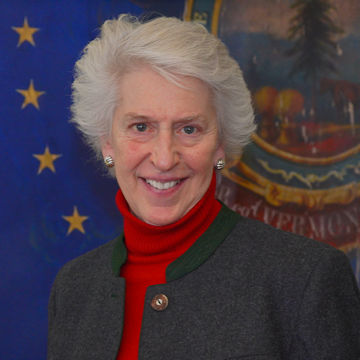
Sen. Alison Clarkson
Sponsored bills
Maddy summaryThis bill proposes to gradually implement Green Mountain Care, Vermont's publicly financed health care program, over a ten-year period starting with primary care in the first year and adding preventive dental and vision services in the second year. It establishes an advisory group within the Green Mountain Care Board to recommend how to sequence and finance additional health services for years three through ten, aiming for comprehensive coverage by the tenth year. The legislation requires the state to seek federal waivers to modify existing health insurance rules and mandates detailed financial analysis to ensure the program is economically sustainable and reduces overall health care spending. It also directs the Green Mountain Care Board to consider cost-sharing options and ensures health care professionals receive adequate reimbursement to recruit and retain staff.
Maddy summaryThis bill would protect people and organizations involved in safer drug consumption programs from criminal prosecution and civil penalties. It defines these programs as supervised spaces where individuals can use preobtained drugs with access to sterile supplies, overdose monitoring, first aid, and referrals to treatment services. The legislation also removes a future expiration date for the exemption that allows possession of small amounts of buprenorphine without criminal penalty. To receive legal protections, program operators must publicly report annual data on participants, supplies distributed, and overdose incidents.
Maddy summaryThis bill would expand eligibility for Vermont's Medicare Savings Programs by raising income limits for two of the three programs. It increases the income threshold for the Qualified Medicare Beneficiary Program to 150 percent of the federal poverty level and raises the limit for the Qualifying Individual Program to 185 percent of the federal poverty level. The legislation also eliminates the Specified Low-Income Medicare Beneficiary Program entirely. These changes would allow more low-income Vermonters to qualify for financial assistance with their Medicare premiums and cost-sharing. The bill requires approval from the federal Centers for Medicare and Medicaid Services before the new eligibility rules take effect.
Maddy summaryThis bill creates a new Family and Medical Leave Insurance Program in Vermont that would provide paid, job-protected leave to employees and self-employed individuals for specific reasons including serious illness, childbirth, adoption, military family needs, and domestic or sexual violence situations. The program would be administered by the Office of the Treasurer and would allow workers to take time off to care for themselves or family members facing health issues, or to seek medical care, counseling, or safe housing after experiencing domestic violence, sexual assault, or stalking. Eligible workers would need to meet certain work history requirements and pay contributions to fund the benefits, with leave defined as "safe leave" specifically for victims of abuse to access services, recover from injuries, or relocate to secure safe environments. The legislation also expands the definition of family members to include individuals with significant personal bonds regardless of biological or legal relationships, ensuring broader coverage for diverse family structures.
Maddy summaryThis bill requires state agencies to install renewable heating systems and non-fossil fuel cooking appliances when replacing existing equipment in buildings they own or control. It applies to the Department of Buildings and General Services, the Department of Forests, Parks, and Recreation, and the Agency of Transportation, mandating that new primary heating and cooking systems use non-fossil fuel sources starting in fiscal year 2024. Agencies may request written exemptions if installing renewable systems is deemed financially impracticable, and they must report any exemptions or continued use of fossil fuel systems to legislative committees annually. The legislation also permits fossil fuel systems to serve as backup heating during peak periods if non-fossil fuel backup options are unavailable.
Maddy summaryThis bill grants Vermont municipalities the authority to create local rules that limit or reduce firearm discharges, with the exception of existing sport shooting ranges. The law allows towns, cities, and villages to regulate firearm use for public safety but explicitly forbids them from banning shooting at established ranges. Municipalities must ensure any new ordinances align with state regulations and cannot prohibit firearm discharges at current sport shooting facilities. The changes take effect on July 1, 2023, giving local governments new regulatory tools over firearm discharge while protecting designated shooting ranges.
Maddy summaryThis bill establishes the Genetic Information Privacy Act to protect consumers' genetic data and biological samples collected by direct-to-consumer genetic testing companies. It requires these companies to obtain clear, separate consent for each specific use of genetic information, including sharing data for research, marketing, or transferring to third parties. The law also mandates strong security measures, gives consumers the right to access or delete their data and biological samples, and prohibits companies from sharing genetic information with health insurers, life insurers, or employers without written consent. Companies violating these rules would face penalties under Vermont's unfair and deceptive trade practices law, while data already covered by federal health privacy regulations remains unaffected.
Maddy summaryThis bill creates a new health insurance program in Vermont that would provide coverage to adults over 18 who are currently ineligible for Medicaid or premium tax credits due to their immigration status. The program would offer hospital, medical, dental, and prescription drug benefits similar to existing Medicaid coverage, with eligibility based on household income thresholds. It also requires the state to protect applicant privacy by prohibiting the sharing of enrollment information with the federal government. To support implementation, the bill authorizes funding for healthcare provider reimbursements and grants to organizations for outreach efforts, with the program set to begin on July 1, 2024.
Maddy summaryThis bill requires manufacturers of household products containing hazardous substances in Vermont to join a stewardship organization and fund a program for collecting these products from the public at no cost. The legislation defines covered products as items like gas cylinders, certain pesticides, and hazardous waste-containing consumer goods, while excluding batteries, lamps, paints, and other specified items. Manufacturers would be responsible for implementing collection plans to divert these products from landfills, reducing environmental contamination and lowering the financial burden currently placed on local waste management entities and taxpayers. The bill applies to companies that manufacture, sell, or import these products in Vermont, with exemptions for small-scale producers selling less than $5,000 worth of covered products annually.