

Maddy summaryThis bill expands Vermont's Medicaid and Dr. Dynasaur programs to include income-eligible young adults up to age 26, aligning Medicaid eligibility thresholds with the Dr. Dynasaur program over time. It requires higher reimbursement rates for providers delivering primary care, mental health, substance use disorder treatment, long-term care, and dental services to Medicaid beneficiaries. The legislation also modifies the duties of the Clinical Utilization Review Board, increases income eligibility for Medicare Savings Programs, and mandates coverage for mental health services for children and young adults who have experienced adverse life events without a specific diagnosis. Additionally, the bill directs the Agency of Human Services to develop a public option proposal for small business health coverage and requires proposals for sliding-scale cost-sharing in Medicaid.
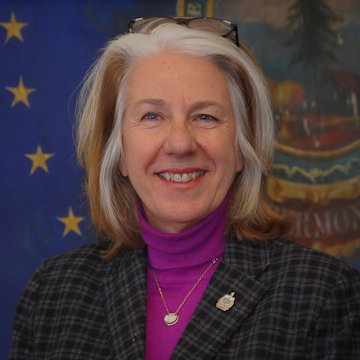
Sen. Wendy Harrison
Sponsored bills
Maddy summaryThis bill authorizes Vermont municipalities to impose civil penalties on owners of commercial buildings that remain vacant for 180 consecutive days. The legislation allows local building inspectors or authorized officers to assess fines after providing notice to property owners, with penalties calculated for each 180-day period of vacancy. The measure applies to towns, cities, and incorporated villages and takes effect on July 1, 2024.
Maddy summaryThis bill establishes a new Vermont Data Privacy Act to protect the personal information of Vermont residents by creating clear rules for how businesses collect, use, and share consumer data. It defines key terms like personal data, consent, and profiling while explicitly excluding employees and commercial transactions from coverage. The law requires businesses to obtain clear affirmative consent from consumers, prohibits deceptive design practices known as dark patterns, and grants consumers specific rights over their data including access, deletion, and opt-out options. Companies must also implement reasonable security measures to protect personal information and provide mechanisms for consumers to exercise their privacy rights.
Maddy summaryThis bill modifies Vermont's voting rules for unified union school districts by adding a new exception to the requirement that Australian ballots be commingled. Under current law, votes from all towns within a unified union school district must be combined and counted together rather than separately by town. The proposed change would allow a district to keep ballots separate if voters explicitly rejected commingling at an annual meeting held on or before July 1, 2019, provided the district's governing articles do not specify a different counting method. The bill applies to elections for school board members, district officers, budget proposals, and other public questions within these districts. It would take effect on July 1, 2024.
Maddy summaryThis bill establishes a temporary pause on approving new facilities for disposing of development soils and on dumping these soils at existing receiving sites in Vermont. The moratorium remains in effect until the Agency of Natural Resources creates and adopts specific rules for managing these soils, unless the Legislative Committee on Administrative Rules objects to those rules. The proposed rules must include protections for water sources, require regular site monitoring, and mandate financial guarantees for site closure or cleanup. Once the rules are finalized and accepted, the ban on new certifications and disposal activities will end automatically.
Maddy summaryThis bill creates a working group to explore ways to bring more international medical school graduates into Vermont's healthcare workforce. The group will examine models like Tennessee's temporary licensing system and develop proposals for an expedited licensure process that prioritizes patient safety. Additionally, the bill appropriates $50,000 in fiscal year 2025 to reimburse international medical school graduates for study materials and books needed to obtain Vermont medical licenses. The working group must submit its findings and recommendations by January 15, 2025, and the license reimbursement funds will be distributed on a first-come, first-served basis until depleted.
Maddy summaryThis bill establishes the Vermont Baby Bond Trust, a state-administered program that provides $3,200 in savings accounts to children born on or after July 1, 2024, who qualify for Medicaid or SCHIP coverage at birth. The funds are intended for eligible expenses including education, purchasing a home or property in Vermont, starting a business, or contributing to retirement or education savings accounts. The program requires beneficiaries to complete a financial literacy course before age 18 to access their funds, and they must claim the money by their 30th birthday if they are still Vermont residents. The bill also ensures that money in the trust is not counted as income or assets for determining eligibility for government assistance programs.
Maddy summaryThis bill requires the Vermont Agency of Transportation to use only non-fossil fuel heating systems as the primary heat source in all newly constructed buildings and when replacing existing fossil fuel heating systems. The legislation defines non-fossil fuel systems as those that do not use fossil fuels or exclusively use renewable liquid fuels, with provisions allowing fossil fuel systems only as backup during peak heating periods. While the bill mandates these changes, it includes an exemption mechanism that permits the Secretary to approve fossil fuel replacements if they are deemed financially impracticable, with annual reporting requirements for any exemptions granted. The law takes effect on July 1, 2024, and aims to support Vermont's renewable energy goals while potentially reducing heating costs and supporting the local wood heating industry.
Maddy summaryThis bill establishes a grant program within the Agency of Human Services to help municipalities and other organizations acquire or renovate existing buildings for permanent supportive housing. The program provides up to $4.5 million in funding for fiscal year 2025 and requires participating sites to include multiple studio apartments with kitchens and bathrooms, along with on-site support services from two staff members available at least eight hours daily. Eligible projects must prioritize individuals experiencing chronic homelessness, those recovering from mental health or substance use disorders, and other vulnerable populations, while also incorporating energy-efficient renovations and ensuring access to community services. The bill directs the agency to select proposals based on the greatest need for housing and the health and safety benefits for residents.
Maddy summaryThis bill authorizes Vermont municipalities to create and enforce local rules requiring owners to maintain buildings that pose risks to public health and safety. It allows towns and cities to compel cleaning or repairs of dangerous properties and establish specific health and safety standards for buildings within their jurisdiction. If a municipal official determines a building is uninhabitable or hazardous, the municipality can recover maintenance costs by placing a tax lien on the property, provided the owner receives proper notice and has access to an appeals process. The legislation applies to all incorporated towns, cities, and villages in Vermont and takes effect immediately upon passage.