

Maddy summaryThis bill adopts recommendations from Vermont's Post-Adjudication Reparative Program Working Group. It creates a formal process for courts to refer nonviolent offenders (those convicted of nonviolent felonies, misdemeanors, or specific nonviolent misdemeanors) to community reparative boards instead of traditional sentencing or probation. Key provisions include requiring courts to consider victim input and community impact before referral, mandating standardized referral forms, and specifying that successful program completion avoids further sentencing while failure requires returning to court. The law applies to eligible cases starting July 1, 2026, directly affecting nonviolent offenders in Vermont's criminal justice system.
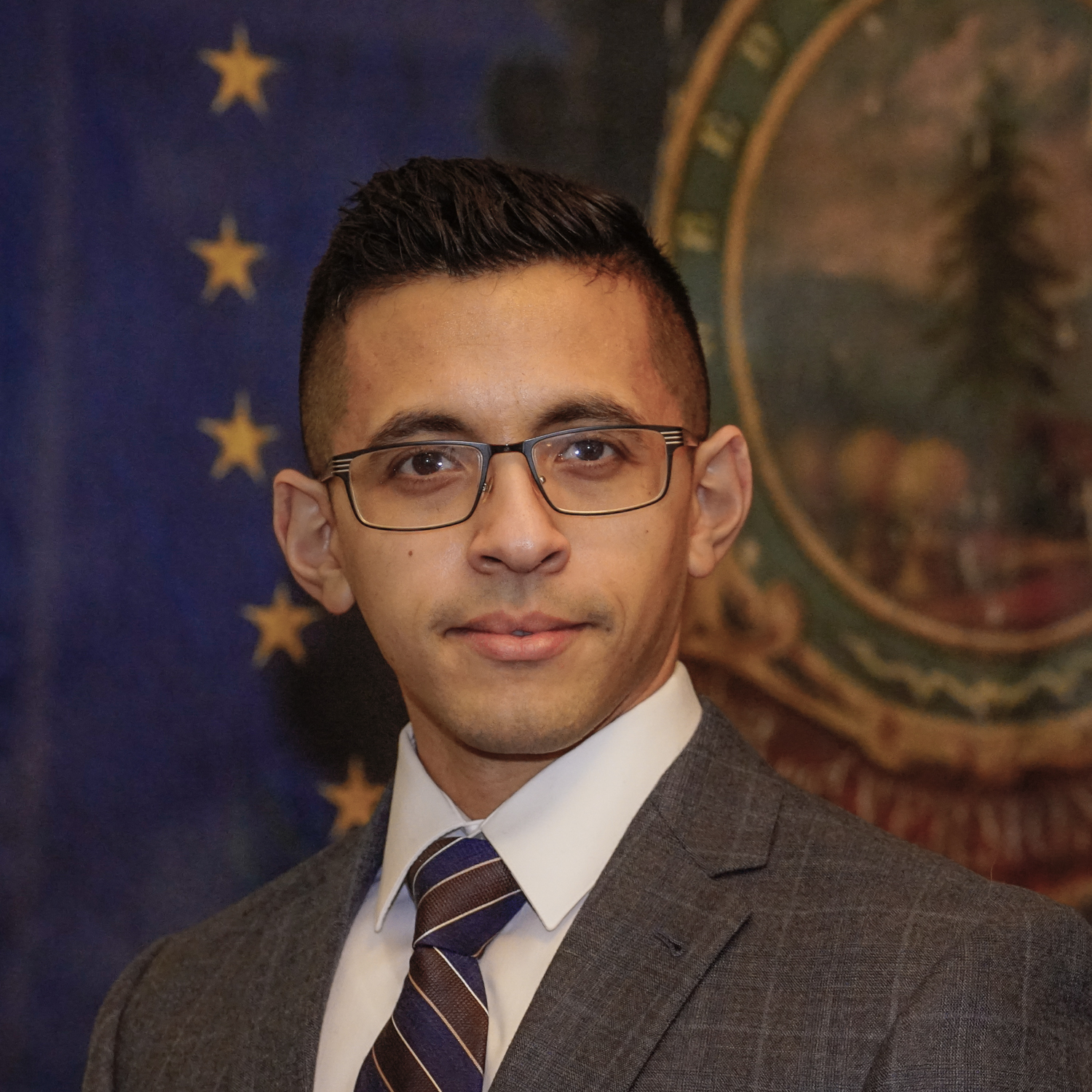
Sen. Nader Hashim
Sponsored bills
Maddy summaryThis bill establishes time limits for criminal trials in Vermont: defendants charged with nonviolent misdemeanors can seek dismissal if trial hasn't started within one year, and those charged with nonviolent felonies can do so after two years. Prosecutors must respond to such dismissal motions within 14 days, explaining delays using specific factors like offense seriousness or defendant history. The bill excludes certain delays from these timelines, such as mental competency evaluations, defendant absence, or court-ordered continuances with documented justification. It directly affects defendants facing criminal charges and prosecutors managing case timelines.
Maddy summaryThis Vermont bill (S 195) requires the Office of Defender General to provide legal representation for individuals involved in criminal cases who are subject to mental health commitment proceedings (e.g., those found incompetent to stand trial or acquitted due to insanity). It also gives courts authority to review and modify orders for treatment outside hospitals (nonhospitalization) if the treatment isn't working or the person isn't complying, potentially switching to hospitalization. The law applies directly to criminal defendants in mental health cases and changes how courts handle treatment plans for up to 90 days. It takes effect July 1, 2026.
Maddy summaryThis is a ceremonial Senate resolution (SR 17) honoring Chrissy Gilhuly for her 7+ years of nonpartisan legislative staff service in the Vermont General Assembly. It recognizes her roles as Supervisor of Committee Services, Joint Fiscal Office Staff Associate, and Senate Operations Manager/Journal Clerk, and extends best wishes as she transitions to a new position at the Agency of Administration. The resolution has no policy impact - it is purely symbolic recognition of her professional contributions.
Maddy summaryThis bill (S.12) creates a new process for Vermont residents to have certain criminal records sealed from public view. It allows sealing of most misdemeanor offenses and specific non-violent felonies (like certain drug possession or property crimes), provided the offense isn't excluded. Excluded offenses include sex crimes, domestic violence, violations of protection orders, and some drug offenses involving large quantities. Once sealed, these records are no longer accessible to most employers, landlords, or licensing boards, helping individuals with qualifying histories access housing, jobs, and education opportunities. The bill was enacted into law after receiving final approval from the governor on June 12, 2025.
Maddy summaryThis bill amends multiple Vermont statutes to adjust court procedures and criminal justice policies. It creates an adult court diversion program allowing prosecutors to refer eligible defendants (post-charge, with court probable cause) to restorative options instead of prosecution, while expanding the definition of "victim" to include family members and certain professionals. Key provisions include restricting public internet access to court records (allowing limited access for attorneys and law enforcement), adding a $100 surcharge for criminal cases to fund investigative units, and establishing automatic expungement for certain switchblade knife convictions prior to July 2025. These changes directly affect courts, prosecutors, defendants, victims, and law enforcement agencies. The bill is now law after being signed by the governor on June 12, 2025.
Maddy summaryThis bill, S 69 (Vermont Age-Appropriate Design Code Act), requires online services popular with minors to redesign their platforms to protect children’s privacy and safety. It directly affects businesses that generate most revenue from online services likely accessed by Vermont minors under 18 and collect their personal data. Key provisions mandate age-assurance methods to identify minors, set default privacy settings to the most protective level, ban features causing "compulsive use" (like addictive content algorithms), and restrict data collection for minors. The law also defines strict rules for handling biometric, genetic, and derived data of minors, ensuring data processing aligns with their developmental needs. It applies broadly to digital products like apps and websites, excluding physical products and basic internet services.
Maddy summaryThis Senate resolution urges Vermont state agencies to protect the civil rights, medical confidentiality, and personal privacy of residents diagnosed with autism, in response to federal plans for an autism research database. It specifically addresses concerns that the federal database - collecting medical records and wearable device data - could use sensitive health information without explicit consent. The resolution directs agencies to safeguard this data and references Illinois' similar privacy protections for autism-related information. As a non-binding resolution, it does not create new laws but calls for proactive privacy safeguards.
Maddy summaryThis bill amends Vermont's extradition laws to streamline the process for returning individuals accused of crimes committed in other states. It extends the maximum time a person can be held in custody while awaiting extradition from 30 to 90 days (Section 1), allows up to 60 additional days if needed (Section 2), and creates a formal process for individuals to waive court hearings by signing a written consent to return to the demanding state (Section 3). This directly affects people arrested in Vermont for out-of-state crimes and Vermont judges, sheriffs, and the Governor handling extradition requests. The changes aim to reduce delays while ensuring accused individuals' rights to challenge proceedings remain intact.
Maddy summaryThis bill amends Vermont's legislative structure to establish an Office of New Americans Study Committee, not a new agency. It requires the Governor to appoint six committee members, including one New American with lived experience nominated by a specific community organization (e.g., Association of Africans Living in Vermont or Migrant Justice). The committee's purpose is to study issues affecting New Americans in Vermont, with membership directly reflecting input from key immigrant-serving organizations. The bill passed both chambers and was signed into law by the Governor on May 21, 2025.