

Maddy summaryThis bill requires independent schools approved by the Vermont State Board of Education to annually confirm they have a nondiscrimination statement on their website and in application materials, and to comply with state antidiscrimination laws in all admissions and operations. Schools that accept public tuition funds must also follow a streamlined admissions process that excludes mandatory interviews, entrance exams, academic history reviews, campus visits, and consideration of a family's ability to pay fees. The law applies to all approved independent schools regardless of accreditation status and takes effect on July 1, 2024.
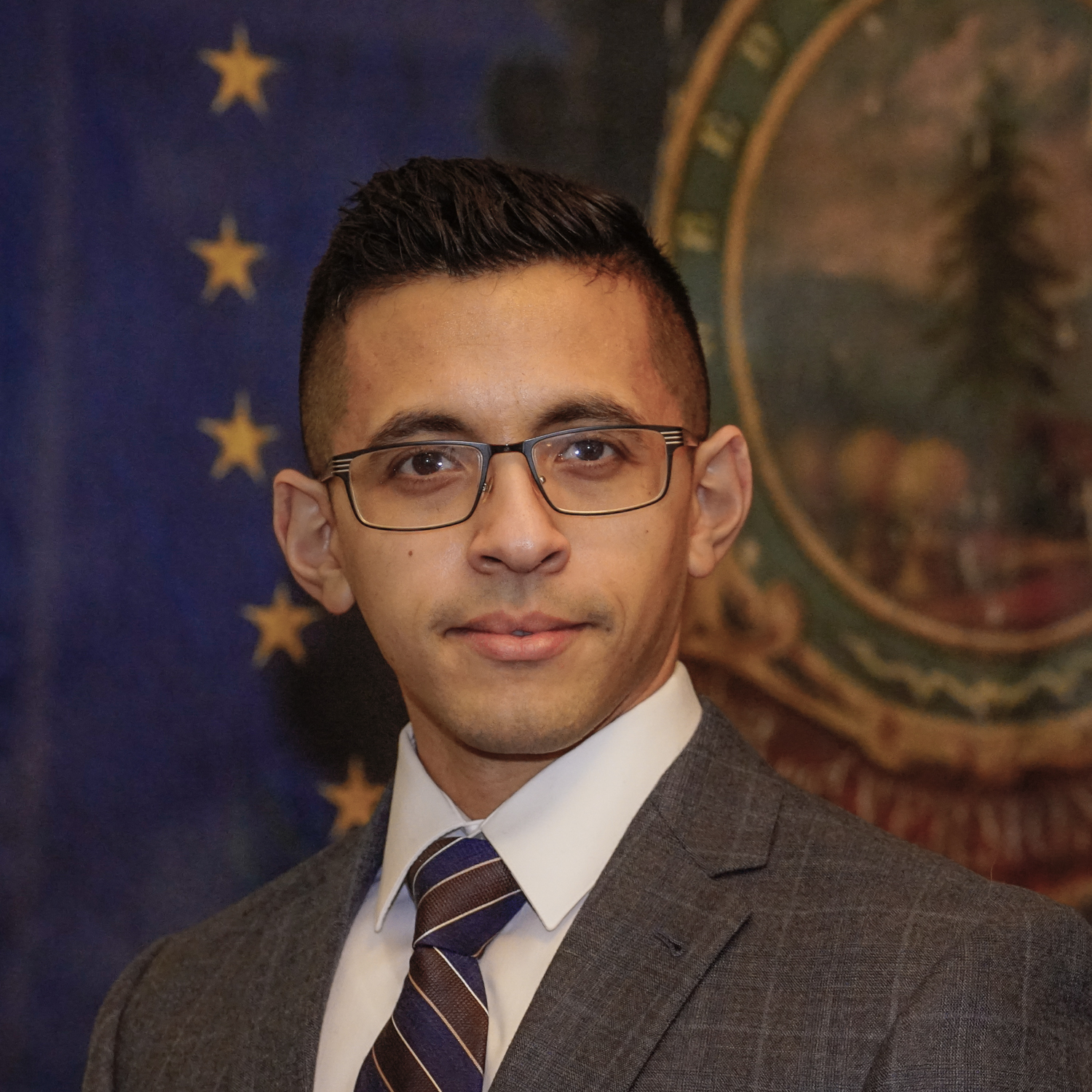
Sen. Nader Hashim
Sponsored bills
Maddy summaryThis bill changes how members of Vermont's State Board of Education are appointed by distributing the ten seats among three different appointing authorities. Under the new process, the Governor would appoint four members, the Senate Committee on Committees would appoint three, and the House Speaker would appoint three, with all non-student members serving six-year terms that cannot be extended through reappointment. The bill also establishes a transition period starting July 1, 2024, where current board members can finish their existing terms while new appointments follow a staggered schedule to gradually implement the new distribution system. Additionally, the legislation maintains the requirement for two secondary student members on the board, with one having voting privileges in their second year of service. The bill aims to create a more balanced appointment structure while preserving existing diversity and expertise requirements for board members.
Maddy summaryThis bill requires Vermont state agencies to submit a report by September 1, 2025, recommending the creation of an independent Office of New Americans. The Agency of Human Services, Department of Labor, and Office of Racial Equity must gather data on current services for immigrants and refugees, review successful programs from other states, and consult with community organizations to identify barriers and needs. The report will outline the proposed structure, duties, funding, and staffing for the new office, focusing on improving government services for immigrants and refugees.
Maddy summaryThis bill would allow Vermont to join the Social Work Licensure Compact, enabling licensed social workers to practice across multiple member states without needing separate licenses in each location. The legislation establishes a framework for mutual recognition of social work licenses, facilitates the sharing of disciplinary information between states, and supports telehealth services for increased access to care. Key provisions include protecting public safety through coordinated oversight, reducing administrative burdens for social workers, and providing specific accommodations for military families who may need to relocate frequently.
Maddy summaryThis bill establishes a Prekindergarten Education Study Committee in Vermont to examine and make recommendations for improving access to affordable, high-quality prekindergarten education for three- and four-year-old children. The committee will consist of representatives from state agencies, education associations, private child care providers, and families, tasked with analyzing quality standards, workforce needs, funding options, and potential transitions to a public school-based system. The committee must submit a report with findings and draft legislative recommendations by December 1, 2023, to the relevant state legislative committees. This measure directly affects child care providers, public school districts, families with young children, and state education agencies by creating a structured process to evaluate and potentially expand prekindergarten services.
Maddy summaryThis bill updates compensation and health benefits for Vermont state legislators for the 2025-2026 legislative session. It sets weekly salaries of $1,000 for regular members and $1,230 for the Speaker and President Pro Tempore in 2025, with increases to $1,100 and $1,530 respectively in 2026, plus annual compensation adjustments tied to other constitutional officers. The legislation also clarifies that legislators must pay the same portion of health insurance premiums as executive branch employees, while certain organizations retain responsibility for their own employees' coverage. These changes apply to all compensation scenarios during the biennial session, including special sessions and per diem payments.
Maddy summaryThis bill requires Vermont's Secretary of Education to include contact information for state and federal antidiscrimination agencies in the model harassment and bullying prevention policies for schools. It also allows students to file claims under the Fair Housing and Public Accommodations Act without first exhausting school administrative remedies if they have already filed a complaint with an enforcement agency like the Vermont Human Rights Commission or the U.S. Office for Civil Rights. The law applies to students in Vermont schools and takes effect on July 1, 2023.
Maddy summaryThis Senate concurrent resolution honors Vanessa Davison, a long-time staff member of the Vermont General Assembly, for her 45 years of dedicated service. The resolution recognizes her work ethic, professionalism, and contributions to legislative operations, including managing administrative tasks, operating early computer systems, and serving as Journal Clerk for over 30 years. It formally acknowledges her role in preparing Senate Journals and training her successor to ensure continued quality in legislative record-keeping. The resolution directs the Secretary of State to send a copy to Davison as an official recognition of her retirement after concluding her career in the spring of 2023.
Maddy summaryThis bill requires Vermont state agencies to submit a comprehensive report every three years on criminal justice investments and trends, specifically focusing on Justice Reinvestment II initiatives. The report must include data on recidivism rates, clearance rates, bail practices, pretrial detainee information, and funding utilization for programs like domestic violence intervention, transitional housing, mental health services, and restorative justice. Multiple state departments including Corrections, Public Safety, and the Attorney General must share relevant data with the Vermont Statistical Analysis Center to compile these findings, with the final report delivered to both House and Senate committees. The legislation also mandates that demographic information such as race, gender, and age be included whenever possible, while protecting the confidentiality of individual records until they are aggregated in the official report.
Maddy summaryThis bill reformulates Vermont sheriff offices to improve accountability, transparency, and financial oversight. It requires assistant judges to co-sign financial transactions during sheriff transitions and mandates annual audits when sheriffs leave office. The legislation also establishes conflict of interest rules for sheriffs and deputies, requiring them to disclose and recuse themselves from matters involving personal or family interests. Additionally, sheriffs must file annual disclosure forms with the State Ethics Commission detailing their income sources, business ownership, and any conflicts involving their spouses or domestic partners. These changes aim to restore public trust by creating clearer financial controls and ethical standards for elected sheriffs and their staff.