

Maddy summaryThis proposal would amend Vermont's state constitution to allow the General Assembly to set qualifications for sheriffs, who are currently elected without specific legal requirements. The change would give lawmakers the authority to establish rules such as requiring law enforcement certification for individuals running for or serving as sheriff. Sheriffs would continue to be elected by voters in their districts for four-year terms, but the amendment adds the possibility of future legal standards for the position. The measure does not mandate any specific qualifications immediately but creates the legal framework for the legislature to define them later.
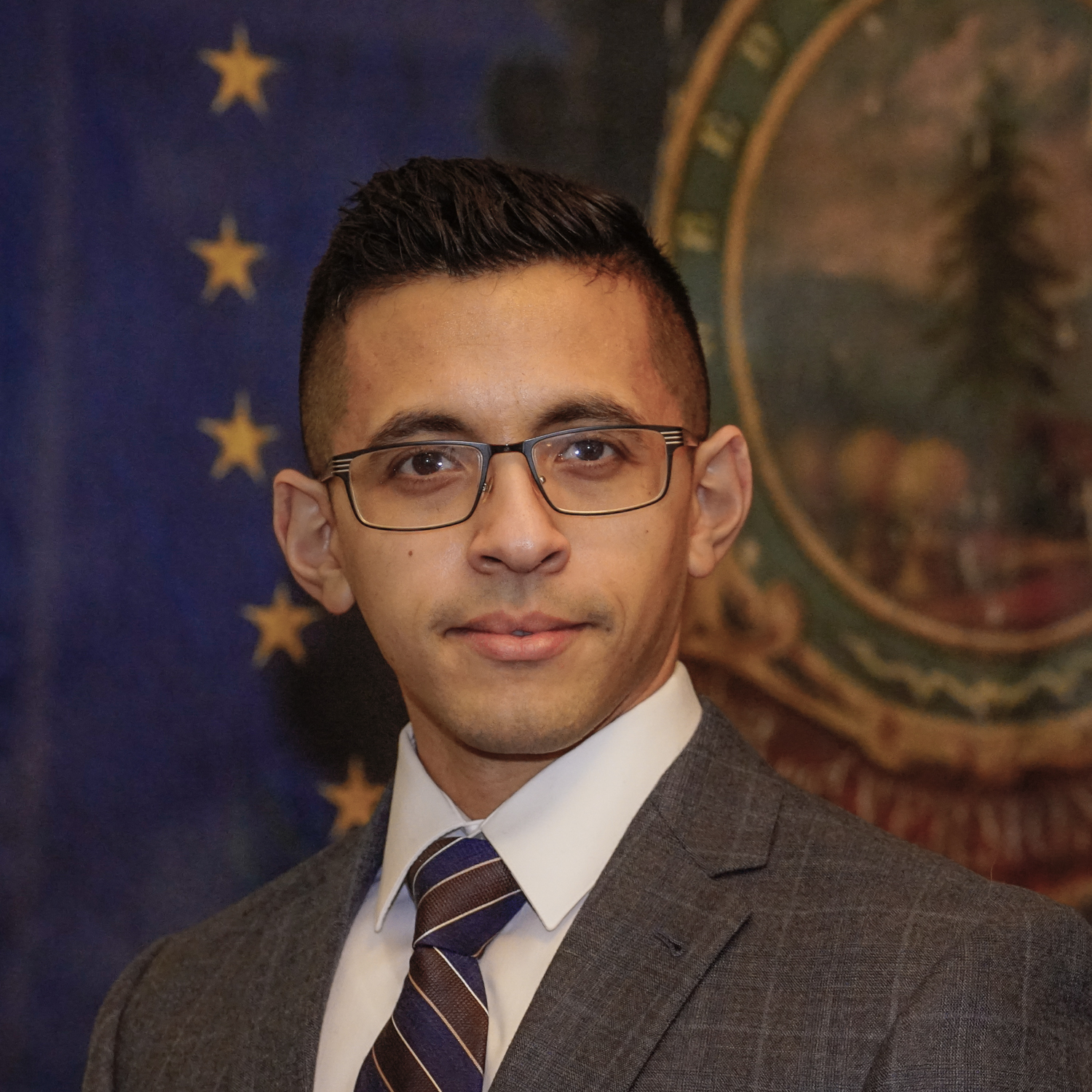
Sen. Nader Hashim
Sponsored bills
Maddy summaryThis bill creates two new permanent full-time Superior judge positions in Vermont's state court system. The judges will serve six-year terms starting April 1, 2024, and will be subject to the state's judicial retention process. An appropriation of $539,246 from the General Fund is allocated for fiscal year 2025 to support these positions, with the law taking effect on July 1, 2024.
Maddy summaryThis bill establishes the Vermont Fair Repair Act to require manufacturers of digital electronic equipment to provide repair information, tools, and parts to independent repair shops and consumers. The law mandates that original equipment manufacturers make available at no charge the documentation, software, and tools needed to diagnose and repair their products, while also ensuring replacement parts are offered at fair and reasonable terms equivalent to those given to authorized repair providers. The legislation specifically defines key terms like independent repair providers and equipment, and includes provisions to prevent manufacturers from retaliating against authorized providers who sell parts to independent repairers. Exemptions are included for medical devices and motor vehicles, and the act applies to equipment originally manufactured for sale in the United States.
Maddy summaryThis bill allows Vermont residents who are honorably discharged veterans to request a "veteran" designation on their driver's licenses and identification cards by submitting proof of service and status confirmation from the Office of Veterans' Affairs. It also authorizes the Department of Motor Vehicles and the Office of Veterans' Affairs to jointly determine specialty license plates that recognize specific military awards, combat service, or veteran status, including options for Purple Heart recipients, Pearl Harbor survivors, former prisoners of war, and disabled veterans. The legislation requires applicants to provide Department of Defense Form 214 or equivalent documentation to verify their veteran status before the designation is added to their credentials. Additionally, the bill mandates that one side of any veteran specialty plate feature an American flag or a veteran-related emblem selected by the Commissioner and the Office of Veterans' Affairs.
Maddy summaryThis bill expands Vermont's Medicaid and Dr. Dynasaur programs to include income-eligible young adults up to age 26, aligning Medicaid eligibility thresholds with the Dr. Dynasaur program over time. It requires higher reimbursement rates for providers delivering primary care, mental health, substance use disorder treatment, long-term care, and dental services to Medicaid beneficiaries. The legislation also modifies the duties of the Clinical Utilization Review Board, increases income eligibility for Medicare Savings Programs, and mandates coverage for mental health services for children and young adults who have experienced adverse life events without a specific diagnosis. Additionally, the bill directs the Agency of Human Services to develop a public option proposal for small business health coverage and requires proposals for sliding-scale cost-sharing in Medicaid.
Maddy summaryThis bill creates a new Community Care, Health, and Safety Fund to provide grants for community-based services that reduce harm from drug use and support people with substance use disorders. It eliminates misdemeanor criminal penalties for possessing or dispensing a personal use supply of regulated drugs, requiring instead that individuals be offered information about available services and access to needs assessments. The legislation designates 40 percent of cannabis excise tax revenue and a portion of opioid abatement funds to finance these services, while establishing an advisory board to determine what constitutes a benchmark personal use supply. The bill also authorizes monetary incentives for participation in needs assessments and aims to shift resources from prosecution toward prevention, treatment, and harm reduction strategies.
Maddy summaryThis bill modifies Vermont's judicial nomination process by requiring the Judicial Nominating Board to include members from diverse backgrounds and making candidate interviews and Senate confirmation hearings public. It changes how board members are selected to ensure representation from communities of color and other historically disadvantaged groups while maintaining bipartisan representation from the legislature and legal community. The legislation also raises experience requirements for judicial candidates, mandating at least ten years of Vermont legal practice for Supreme Court and Superior Court positions, and establishes new transparency rules for the Board's operations. These changes directly affect how judges and Public Utility Commission members are nominated and confirmed, aiming to increase diversity and public oversight in the selection process.
Maddy summaryThis bill establishes a temporary pause on approving new facilities for disposing of development soils and on dumping these soils at existing receiving sites in Vermont. The moratorium remains in effect until the Agency of Natural Resources creates and adopts specific rules for managing these soils, unless the Legislative Committee on Administrative Rules objects to those rules. The proposed rules must include protections for water sources, require regular site monitoring, and mandate financial guarantees for site closure or cleanup. Once the rules are finalized and accepted, the ban on new certifications and disposal activities will end automatically.
Maddy summaryThis bill creates a working group to explore ways to bring more international medical school graduates into Vermont's healthcare workforce. The group will examine models like Tennessee's temporary licensing system and develop proposals for an expedited licensure process that prioritizes patient safety. Additionally, the bill appropriates $50,000 in fiscal year 2025 to reimburse international medical school graduates for study materials and books needed to obtain Vermont medical licenses. The working group must submit its findings and recommendations by January 15, 2025, and the license reimbursement funds will be distributed on a first-come, first-served basis until depleted.
Maddy summaryThis bill requires Vermont's Motor Vehicles Commissioner to design and issue special license plates for veterans and active military members who have received specific military decorations, including the Distinguished Flying Cross or Silver Star. The legislation codifies existing special plate programs for veterans and expands eligibility to include recipients of various military awards, Pearl Harbor survivors, former prisoners of war, and veterans from specific conflicts. Eligible applicants must submit an application certified by the Office of Veterans' Affairs, and plates can only be transferred to the original holder or their surviving spouse. The bill mandates that new plate designs for decorated recipients be implemented by January 1, 2025, while maintaining all currently available veteran and military plates.