

Maddy summaryThis Senate resolution expresses support for the ongoing resilience and growth of Abenaki communities in Vermont and encourages greater appreciation and respect for Abenaki culture throughout the year. The measure specifically highlights the historical context of discrimination against Indigenous people in Vermont, including state-sanctioned eugenics practices, and acknowledges recent legislative steps such as state recognition of specific Abenaki tribes, an official apology for past harms, and policies promoting cultural recognition. The resolution directs the Secretary of the Senate to send a copy to the Vermont Commission on Native American Affairs and to each recognized Abenaki tribe and band. It does not create new laws or funding but serves as a formal statement of legislative intent and solidarity.
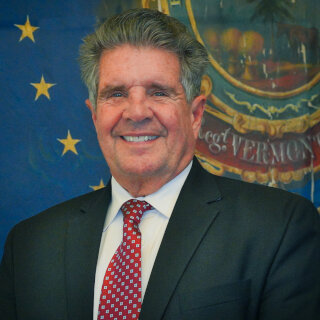
Sen. Brian Collamore
Sponsored bills
Maddy summaryThis legislative resolution formally congratulates individuals who achieved significant scouting milestones in 2022. It honors 35 young people who earned the Eagle Scout rank and one individual, Katherine Lewis, who received the Summit Award for Venturing. The General Assembly directs the Secretary of State to send copies of this recognition to each person named in the resolution. This ceremonial document acknowledges their accomplishments but does not create new laws or policy changes.
Maddy summaryThis bill designates April 2023 as Donate Life Awareness Month in Vermont to raise public awareness about organ and tissue donation. It directly affects Vermont residents by encouraging them to register as organ donors through the Department of Motor Vehicles. The resolution directs the Secretary of State to send copies to relevant health and motor vehicle officials and Donate Life Vermont to coordinate awareness activities. The bill highlights the national need for organ donors, noting that many people wait for transplants while others die daily, and celebrates Vermont's high rate of donor registration.
Maddy summaryThis bill is a ceremonial resolution that formally congratulates the West Rutland High School Golden Horde girls' basketball team on winning their second consecutive Division IV state championship. The document recognizes the team's undefeated 23-0 season and acknowledges the players and coaches who contributed to their success. It directs the Secretary of State to send a copy of the resolution to the school as an official record of the legislature's recognition.
Maddy summaryThis bill designates August 31 as Overdose Awareness Day in Vermont to raise awareness about drug overdoses and honor those affected by them. The legislation requires the Vermont State flag to be flown at half-staff on all state-owned flagpoles each August 31 to mark the observance. It also adds these provisions to the state code and includes a clause that will repeal the designation in 2033. The bill takes effect on July 1, 2023, and is based on findings about rising opioid-related deaths in the state.
Maddy summaryThis bill is a ceremonial resolution honoring Marshall Webb, a nonprofit cofounder and environmental advocate who passed away in 2022. It recognizes his contributions to Shelburne Farms, a Vermont center for sustainability education, and acknowledges his personal connection to the organization and the state. The resolution directs the Secretary of State to send a copy to Webb's family and Shelburne Farms as a formal expression of appreciation. This measure does not change laws or policies but serves to publicly acknowledge Webb's legacy and impact on the community.
Maddy summaryThis bill extends Vermont's greenhouse gas emissions reduction deadlines by 10 years, moving targets from 2030 to 2035 and from 2050 to 2060. It requires the state to cut emissions by at least 26 percent by 2035, 40 percent by 2040, and 80 percent by 2060, compared to 2005 and 1990 baselines respectively. The legislation mandates the creation of a Climate Action Plan outlining specific strategies for reducing emissions across transportation, buildings, industry, and other sectors, while also preparing communities for climate impacts. State officials must develop and update rules to meet these new targets, with periodic reviews to ensure progress toward the extended deadlines.
Maddy summaryThis bill requires legislative approval from the Vermont General Assembly before the Vermont State Colleges can close, reduce, or convert any physical library that existed on January 1, 2023. It also prevents the colleges from reducing library staff positions, employees, or work hours below the levels established on that same date without state approval. The law affects the Vermont State Colleges Corporation and its library operations across all campuses. If passed, the colleges would need explicit permission from lawmakers before making changes to their library facilities or staffing levels.
Maddy summaryThis bill proposes to exempt all U.S. military retirement income and military survivor benefit income from Vermont state income tax. It directly affects active and retired military personnel, as well as surviving spouses and dependents of deceased service members who receive these benefits. The legislation amends Vermont tax code to remove military retirement and survivor income from taxable income calculations, while also clarifying that taxpayers must choose between this exemption and other retirement income exclusions if they qualify for multiple. The bill includes a statement of purpose honoring military service and applies retroactively to January 1, 2023.
Maddy summaryThis bill, known as the Adult Guardianship Equity Act, moves guardianship cases for adults with developmental disabilities from the Family Division to the Probate Division of Vermont's Superior Court. It establishes new rules requiring that guardianship be used only when necessary to protect an individual's rights, prioritizing voluntary guardianship options and ensuring the least restrictive approach is taken. The law also repeals the previous chapter governing guardianship services for people with developmental disabilities and creates specific procedures for when the Office of Public Guardian must be appointed if no private guardian is available. Additionally, it clarifies that individuals receiving guardianship services can appeal decisions or petition to modify or terminate their guardianship through the court system.