

Maddy summaryThis bill aims to make housing more affordable by reducing zoning restrictions and regulatory barriers that limit where and how people can build homes. It directly affects local governments, developers, and residents by establishing statewide standards for residential zoning. Key provisions include requiring duplexes and small apartment buildings in areas with municipal water and sewer, limiting parking requirements to one space per unit, and allowing accessory dwelling units under the same rules as single-family homes. The legislation also prohibits deed restrictions that limit dwelling size or parking, requires municipalities to report new zoning rules to the state, and strengthens enforcement of fair housing laws.
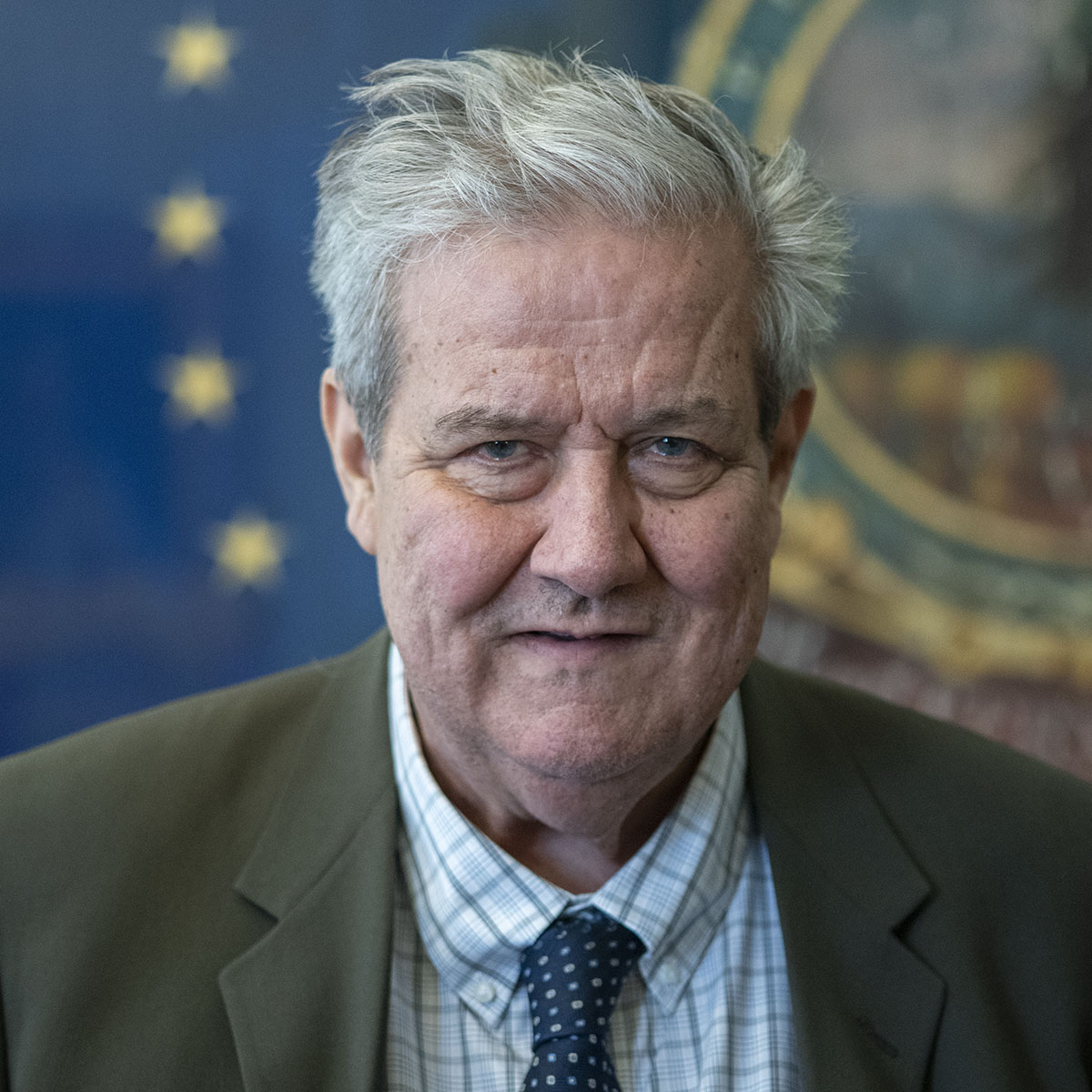
Sen. Seth Bongartz
Sponsored bills
Maddy summaryThis bill creates a new Aquatic Nuisance Prevention Pass that requires all motorboats and nonmotorized vessels operating in Vermont's waters to display an annual decal. The pass costs $20 for Vermont residents, $40 for nonresidents, and $200 for businesses with up to 20 nonmotorized vessels, with revenue funding aquatic invasive species control efforts. Vessels operating in interstate waters can use equivalent decals from other states if those states have reciprocal agreements. The bill also establishes a special fund to support inspection stations, public signage, and grants to municipalities for managing aquatic nuisance species like zebra mussels and invasive plants.
Maddy summaryThis bill directs the Vermont Association of Planning and Development Agencies to conduct a study on improving coordination between municipal, regional, and state planning efforts. The study must examine how to align policies and investments across government levels to address climate change, housing, transportation, and other local issues while ensuring consistency with existing state laws like Act 250. The report is due by December 15, 2023, and will include recommendations for implementation strategies, training needs, and accountability measures after consulting with various state agencies and community organizations. Funding for the study will come from existing regional planning grants for fiscal years 2023 and 2024.