

Maddy summaryThis bill, titled the Medicaid Expansion Act of 2024, expands eligibility for Vermont's Dr. Dynasaur children's health insurance program to include young adults up to age 26, in addition to the current age limit of 21. The expansion applies to residents whose family income is at or below 312 percent of the federal poverty level, and it also extends coverage to pregnant individuals of any age. The legislation authorizes the state to charge monthly premiums for pregnant women and young adults whose family income exceeds 195 percent of the federal poverty level, with collected fees directed toward offsetting program costs. By aligning Dr. Dynasaur eligibility with federal Medicaid standards for young adults, the bill aims to reduce the number of uninsured and underinsured Vermonters in this age group.
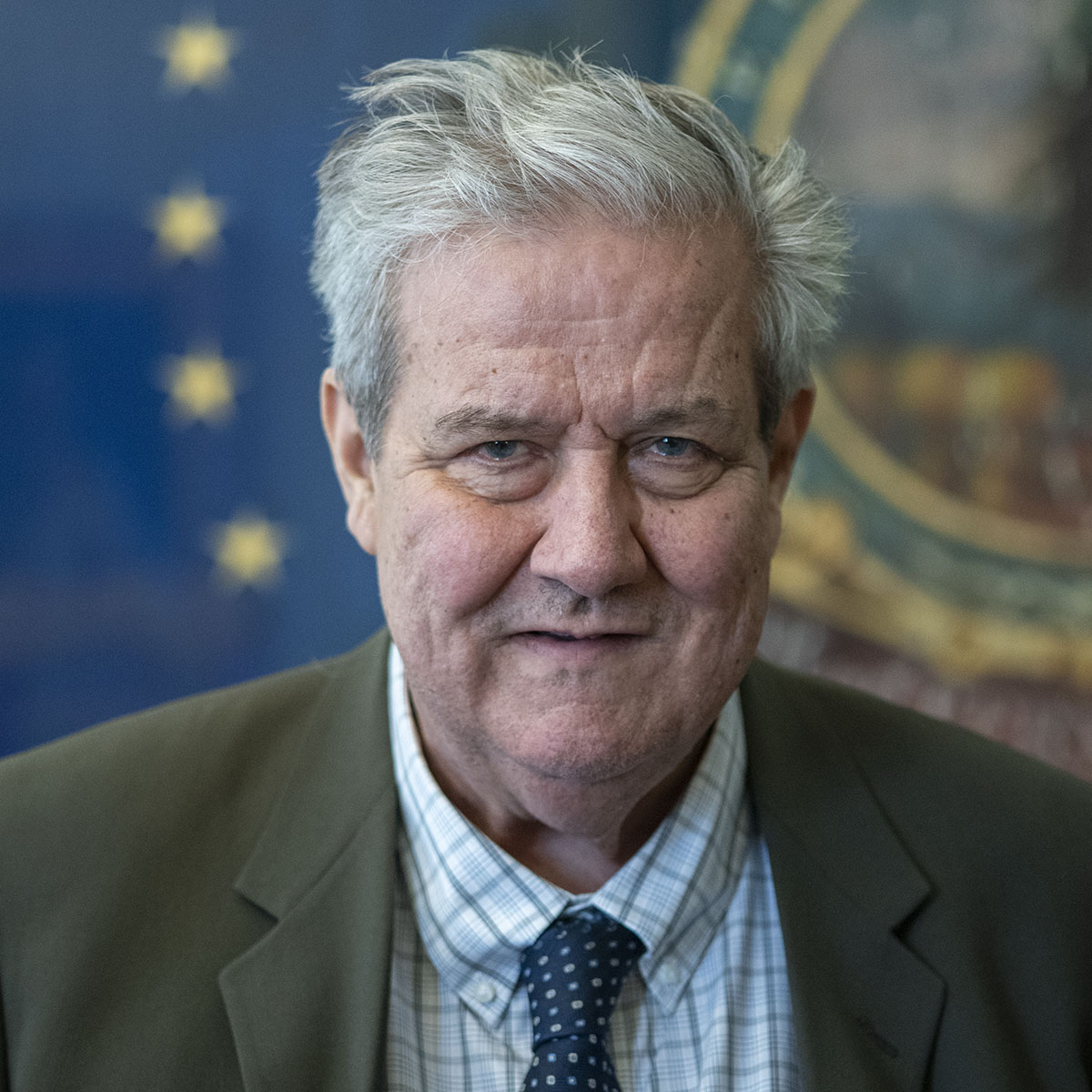
Sen. Seth Bongartz
Sponsored bills
Maddy summaryThis bill designates March 26, 2024, as Robert Frost Day in Vermont to honor the state's first Poet Laureate on the 150th anniversary of his birth. The resolution recognizes Frost's literary achievements, including four Pulitzer Prizes, his deep connection to Vermont landscapes, and his contributions to education at institutions like Bread Loaf School of English. The General Assembly formally acknowledges Frost's legacy by naming this specific date in his honor. The Secretary of State will send copies of the resolution to the Robert Frost Stone House in Shaftsbury and the Bread Loaf School of English in Ripton.
Maddy summaryThis bill congratulates Vermont athletes who won medals at the 2023 National Senior Games in Pittsburgh and designates March 21, 2024 as Vermont Senior Games Day at the State House. It recognizes the 86 Vermont athletes who competed in 13 sports and won a total of 33 medals, while also honoring the specific individuals who participated in the event. The resolution directs the Secretary of State to send copies to the Vermont Senior Games Association and the Governor's Council on Physical Fitness to promote senior fitness awareness. This is a ceremonial measure that celebrates athletic achievement rather than creating new laws or policy requirements.
Maddy summaryThis bill is a ceremonial resolution that honors Sergeant at Arms Janet Miller for her service to the Vermont General Assembly. It recognizes her long career, which includes managing security, coordinating events, and overseeing the Legislative Council before she was elected to her current role five times. The resolution also acknowledges her specific contributions during the COVID-19 pandemic, including helping the legislature transition back to in-person meetings. The bill directs the Secretary of State to send a copy of this honor to Janet Miller, who has announced her retirement effective March 1, 2024.
Maddy summaryThis legislative resolution designates February 16, 2024, as Vermont Outdoor Recreation Day at the State House to honor the state's natural landscape and outdoor activities. The measure recognizes Vermont's extensive trail systems, wildlife areas, and ski resorts as important assets for the economy, community well-being, and quality of life. While the resolution does not create new laws or funding, it formally acknowledges the value of outdoor recreation and directs state officials to be notified of the designation. The bill was passed by both the Senate and House without requiring a vote, following standard procedure for ceremonial resolutions.
Maddy summaryThis legislative bill is a ceremonial resolution that formally recognizes the 100th anniversary of the Vermont State Parks system. It commemorates the historical significance of the parks, which began in 1924 with a donation of land that became Mt. Philo State Park, and acknowledges the contributions of Civilian Conservation Corps workers and private foundations to their development. The resolution does not create new laws or change policies but serves to honor the parks' legacy and their role in Vermont's outdoor economy. It directs the Secretary of State to send copies of the resolution to relevant state agencies and the Vermont Parks Forever foundation.
Maddy summaryThis House resolution honors Vermont television journalist Stewart Ledbetter for his 40 years of news reporting. The bill formally recognizes his career achievements, including his work as a news director, political campaign moderator, and recipient of multiple broadcast awards. It directs the House Clerk to send a copy of the resolution to Ledbetter and WPTZ, the television station where he worked.
Maddy summaryThis House concurrent resolution honors the organizations and individuals working to improve rural broadband access in Vermont through Communications Union Districts. It recognizes the ten regional districts that have formed to build fiber optic networks in areas where other providers struggle to reach. The resolution acknowledges the progress these districts have made in 2023, including new construction and customer additions. This formal acknowledgment does not create new laws or funding but serves to publicly recognize the efforts of these broadband initiatives.
Maddy summaryThis bill would modify Vermont's beverage container redemption system by allowing retailers and manufacturers operating in locations smaller than 5,000 square feet to refuse to redeem containers once a producer responsibility organization implements a public need stewardship plan. It also establishes annual reporting requirements for beverage container redemption rates across three categories and mandates a systems analysis to evaluate the costs, environmental impacts, and operational effects of expanding the redemption system. Additionally, the bill requires the Secretary of Natural Resources to submit a status report on the state's recycling infrastructure before any expansion occurs, ensuring adequate access and processing capacity for all Vermonters.
Maddy summaryThis bill creates the Climate Superfund Cost Recovery Program, which would require fossil fuel companies that operated in Vermont between 2000 and 2019 to pay for their share of climate change costs. The program targets entities involved in extracting coal, oil, or natural gas, charging them based on how much greenhouse gas their products contributed to global emissions. Money collected from these payments would go into a dedicated fund to finance climate resilience projects like flood protections, upgraded infrastructure, and health programs addressing climate-related health risks. The law defines specific types of infrastructure projects eligible for funding and establishes rules for determining which companies must pay and how much they owe.