

Maddy summaryH 180 creates a structured process for Vermont school districts to close elementary schools, directly affecting districts, students, parents, and communities. It requires districts to publish a detailed closure report at least 9 months before a decision, demonstrating how the closure would impact student outcomes (especially for at-risk and marginalized students), comparing financial savings to alternatives like staff consolidation or regional collaboration, and evaluating transportation feasibility. The report must include specific data on educational effects, credible financial analysis, and a plan for student placement and building use. This ensures communities have meaningful input and decisions are based on evidence, not just cost savings. The bill is currently under review by the Education Committee.
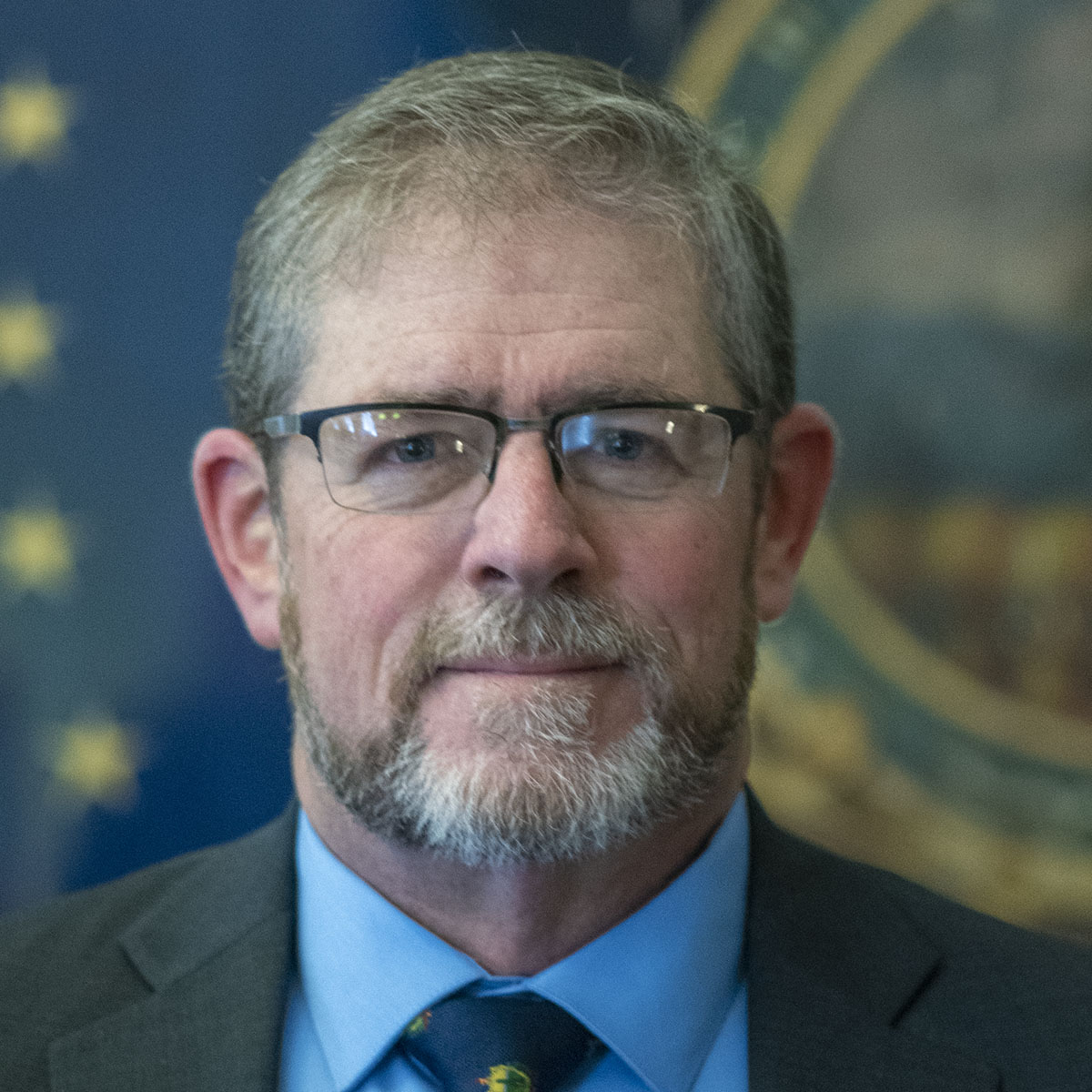
Rep. Tom Charlton
Sponsored bills
Maddy summaryThis House Concurrent Resolution (HCR 12) is a non-binding ceremonial resolution expressing legislative congratulations to the University of Vermont (UVM) men's soccer team for winning their first NCAA Division I men's soccer championship (College Cup) in 2024. It formally recognizes the team's achievement, including their "Cardiac Cats" nickname and championship victory over Marshall University. The resolution directs the Secretary of State to send a copy to UVM Athletics but does not create any new policy, funding, or legal obligations. It is purely symbolic recognition of the team's athletic accomplishment.
Maddy summaryH 169 amends Vermont's anti-discrimination laws to prohibit landlords from requesting Social Security numbers on residential rental applications and requires them to accept all government-issued identification. It also adds "citizenship and immigration status" to the list of protected characteristics in housing and public accommodations, expanding existing protections against discrimination. The bill directly affects landlords, renters, and businesses serving the public by banning specific discriminatory practices in housing applications and services. Key provisions include banning SSN requests for rentals (§ 4456a) and updating definitions to include immigration status in housing (§ 4501, § 4503) and public accommodations (§ 4502). These changes aim to reduce barriers for renters, particularly immigrants and non-citizens, while clarifying prohibited discrimination.
Maddy summaryThis bill (H.150) reinstates an exemption allowing firearm transfers at gun shows to bypass Vermont's standard 72-hour waiting period. It directly affects gun show organizers, vendors, and attendees participating in firearm transactions at events sponsored by firearm-focused organizations (like competitive shooting clubs or collector groups). The key mechanism adds a specific exemption to Vermont law, stating that firearm transfers at qualifying gun shows are not subject to the 72-hour waiting period requirement. This policy change reverses a prior removal of this exemption, returning to a previous regulatory approach for gun show transactions.
Maddy summaryThis bill (H 153) amends Vermont law to expand who can request certified copies of birth and death certificates. It adds aunts, uncles, nieces, and nephews to the existing list of eligible family members, which previously included parents, siblings, grandparents, and other close relatives. The change directly affects these extended family members seeking official records for personal, legal, or medical purposes. The amendment to 18 V.S.A. § 5016 takes effect on July 1, 2025.
Maddy summaryH 128 requires the State's Attorney to request a specific release condition when someone not legally renting a dwelling is charged with unlawful drug activity there. The bill mandates that courts may prohibit such individuals from coming within a fixed distance of the dwelling as part of their release terms. This directly affects people facing drug charges in properties they do not lease or own. The provision applies to arraignment on next business day after citation or arrest for drug activity in non-tenant dwellings. The law takes effect July 1, 2025.
Maddy summaryH 92 requires Vermont's Human Services Board to make fair hearing proceedings more transparent and accessible for people challenging decisions about benefits or services. The bill mandates two key changes: (1) allowing applicants a reasonable uninterrupted speaking time during hearings, and (2) requiring hearing officers and agency attorneys to use plain language instead of legal jargon. This directly affects individuals who dispute human services decisions, such as those involving welfare, disability, or housing assistance. The bill aims to simplify the process without altering the underlying eligibility rules.
Maddy summaryThis bill (H 85) expands Vermont's tax exemptions for vehicles used in forestry operations. It adds motor trucks, semi-trailers, tractors, truck cranes, and other specific forestry equipment (like skidders, log loaders, and whole-tree chippers) to the list of vehicles exempt from sales tax and purchase/use tax. The exemption applies to businesses engaged in forestry activities, including timber cutting, removal, processing, and transportation of forest products. The bill modifies existing tax code sections to include these vehicles and requires state agencies to publish application guidance.
Maddy summaryThis bill (H 16) repeals Vermont’s Affordable Heat Act, which established the Clean Heat Standard program. It removes requirements for heating fuel providers to meet emissions standards and eliminates two state positions created to administer the program (one at the Public Utility Commission, one at the Department of Public Service). The bill also deletes references to the Clean Heat Standard from tax law, ending the requirement for fuel providers to report to state agencies about compliance. This directly affects heating fuel businesses and state agencies responsible for the Clean Heat Standard program. The repeal takes effect upon passage.