

Maddy summaryH.780 establishes mandatory minimum prison sentences for repeat retail theft and specific drug trafficking offenses. For retail theft, it requires at least six months of consecutive prison time for fourth or subsequent offenses (over $250 value) and 12 months for fourth or subsequent offenses (over $900 value), with no suspension allowed. For drug trafficking (cannabis, cocaine, heroin, fentanyl, or methamphetamine), it mandates at least 12 months of consecutive prison time for trafficking offenses, increasing to 24 months if the trafficking causes death or serious injury. The bill directly affects individuals convicted of these specific repeat or serious offenses, removing judicial discretion to reduce the minimum prison time for these cases.
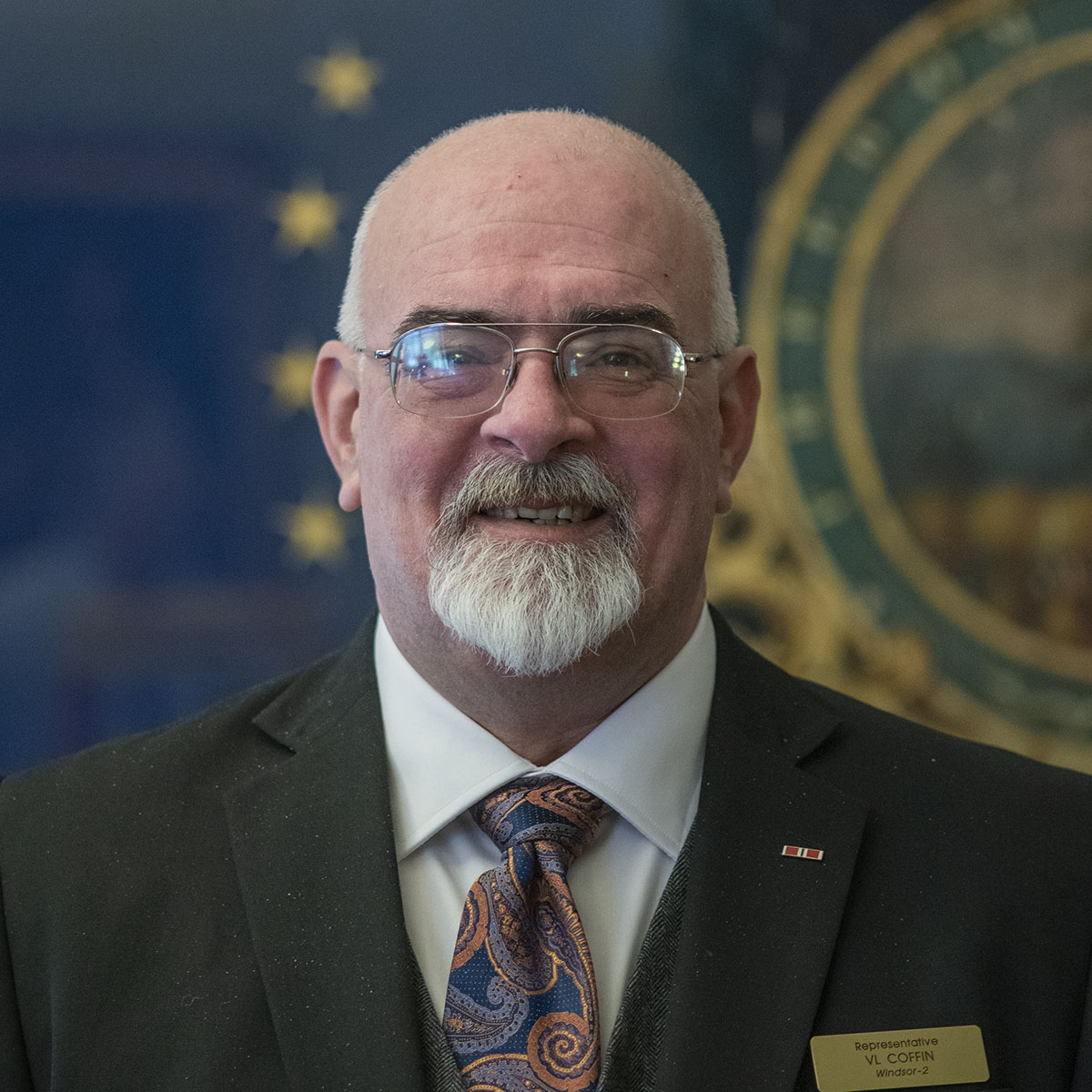
Rep. V.L. Coffin
Sponsored bills
Maddy summaryThis bill changes Vermont's juvenile justice process by requiring certain serious offenses committed by juveniles (aged 14-22) to be filed in the Criminal Division of the Superior Court instead of the Family Division. It specifically applies to: (1) violating release conditions for prior serious offenses; (2) using firearms during felonies; (3) drug trafficking; and (4) aggravated stalking. The State’s Attorney may still choose to file such cases as "youthful offender" petitions in the Family Division. This shift aims to handle these specific offenses through criminal court procedures rather than juvenile court, while allowing limited transfer options between divisions under defined conditions.
Maddy summaryThis bill exempts ambulatory surgical centers (outpatient facilities performing surgeries) from Vermont's certificate of need approval process. It directly affects these centers by removing a state requirement they previously needed to open or expand services. The bill amends state law to specifically exclude such centers - when licensed under Chapter 49 of Vermont law - from the certificate of need rules. This change eliminates a regulatory hurdle for these facilities without altering other healthcare facility requirements.
Maddy summaryThis bill removes the requirement for special approval when hospitals build or renovate psychiatric units, streamlining the process for expanding mental health services. It creates a Psychiatric Inpatient Capacity Working Group - comprising mental health officials, patient advocates, and healthcare professionals - to study bed shortages, identify barriers to expansion, and recommend a 25% increase in statewide inpatient psychiatric beds by July 2028. The group must submit its findings and recommendations to legislative committees by January 2027, with the policy changes taking effect on July 1, 2026. The bill directly affects hospitals seeking to expand psychiatric services, the state mental health system, and patients requiring inpatient care.
Maddy summaryThis bill clarifies that allowing children to engage in age-appropriate independent activities - such as walking to school, playing outdoors, or being home alone for reasonable periods - does not constitute neglect. It directly affects parents/guardians and child welfare agencies by updating Vermont’s legal definition of neglect under §4912. The bill adds specific examples of "independent activities" to prevent unnecessary investigations into safe, routine childhood independence. It also requires the Department for Children and Families to update policies and train staff by 2027. The law takes effect July 1, 2026.
Maddy summaryH 760 creates a new "Vermont Green FC" license plate for eligible vehicles (pleasure cars, trucks under 26,001 pounds, and state agency vehicles), requiring a $45 initial fee and $45 annual renewal. The majority of these fees (77% initially, 84% annually) will fund a new Vermont Green FC Special Fund. This fund will provide grants to support environmental justice and Vermont’s outdoor recreation economy, managed by a board including state officials and representatives from the Vermont Green Football Club and the Vermont Outdoor Business Alliance.
Maddy summaryH.765 expands Vermont's definition of "qualified mental health professional" to include licensed clinical mental health counselors, marriage and family therapists, psychoanalysts, and other specific licensed practitioners (such as advanced practice nurses and psychologists), removing the prior requirement that they must be employed by designated agencies. This directly affects mental health providers who can now qualify under the law for roles like emergency examinations and court testimony. The bill modifies statutes to allow these expanded professionals to perform duties previously restricted to a narrower group, such as applying for emergency warrants and providing expert testimony. It does not change eligibility for patient services but broadens who can provide certain legally defined mental health services.
Maddy summaryH.774 would freeze Vermont's education property tax rates at 2026 levels for the next three years (2027-2029), directly affecting all homeowners and property owners who pay these taxes. The bill requires tax rates to remain at 2026 levels regardless of local budget needs during this period. To ensure education funding stays fully supported, the bill mandates that any shortfall from the frozen rates be covered by redirecting money from the state's General Fund. This policy change provides immediate tax stability for property owners while guaranteeing continued education spending.
Maddy summaryHCR 172 is a commemorative resolution honoring Jon Gailmor, a Vermont folk singer and former Elmore Town Moderator who died in 2025. The resolution expresses the Vermont General Assembly’s condolences to his family and Elmore residents, recognizing his contributions as a musician who celebrated Vermont through songs like "A Town Meeting Tune" and his 15+ years serving as Elmore's town moderator. It directs the Secretary of State to send copies of the resolution to Gailmor’s family and the Elmore Town Clerk. This is a ceremonial measure with no policy impact.
Maddy summaryH.759 proposes replacing Vermont's current complex tax system - including income, sales, property, and estate taxes - with a single flat income tax. It would repeal 12 existing tax types (like education property tax, sales tax, and estate taxes) and simplify tax filing for all Vermont residents and businesses. The bill includes targeted relief for low-income households and rural communities to offset potential regressive impacts, while aiming to fund essential services like education and infrastructure through the new system. This change would affect every Vermont taxpayer subject to income tax, with specific adjustments to taxable income calculations outlined in the bill.