

Maddy summaryThis bill (H.150) reinstates an exemption allowing firearm transfers at gun shows to bypass Vermont's standard 72-hour waiting period. It directly affects gun show organizers, vendors, and attendees participating in firearm transactions at events sponsored by firearm-focused organizations (like competitive shooting clubs or collector groups). The key mechanism adds a specific exemption to Vermont law, stating that firearm transfers at qualifying gun shows are not subject to the 72-hour waiting period requirement. This policy change reverses a prior removal of this exemption, returning to a previous regulatory approach for gun show transactions.
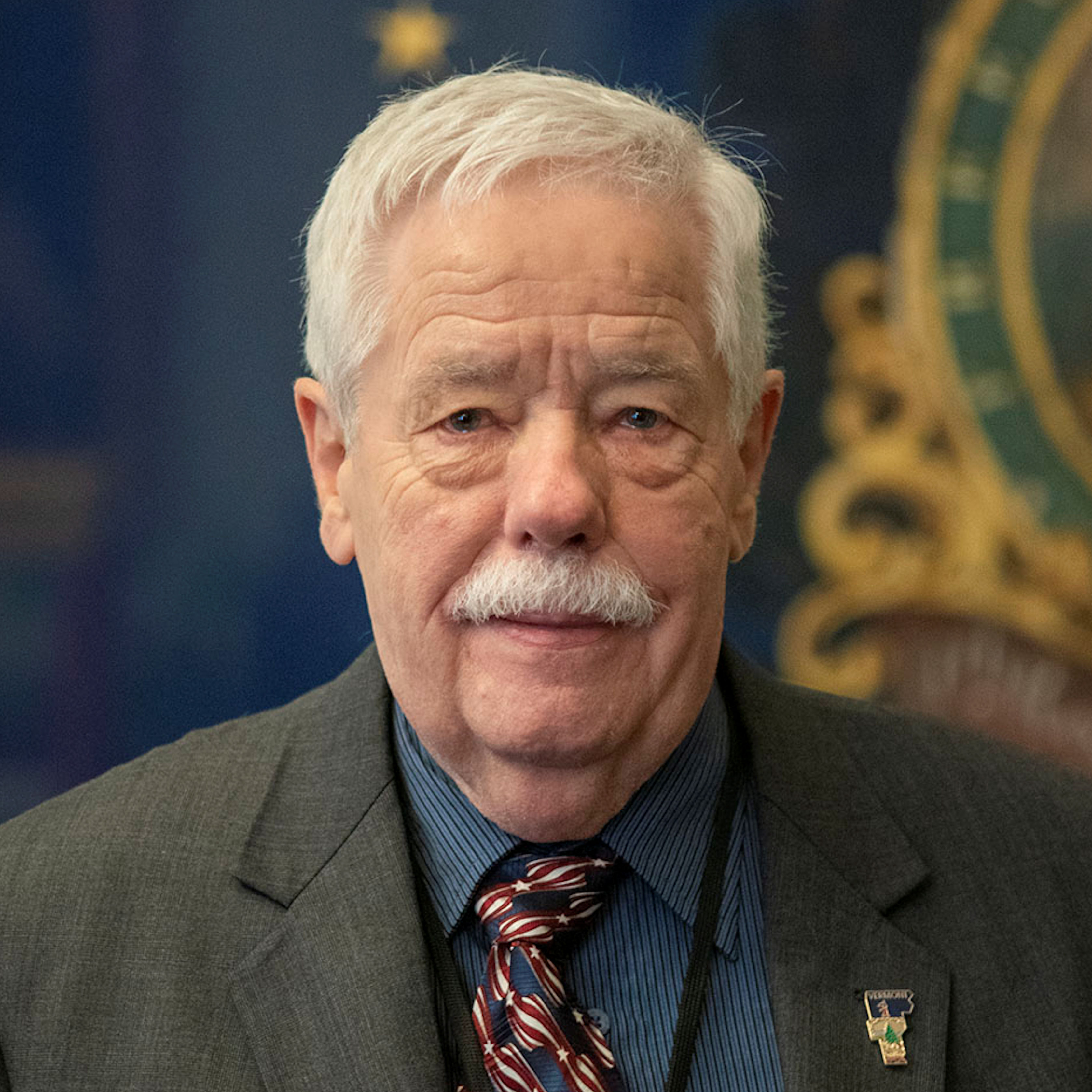
Rep. Christopher Howland
Sponsored bills
Maddy summaryH 159 proposes to repeal Vermont's Renewable Energy Standard (RES), which required electricity providers to source increasing percentages of renewable energy. If passed, this bill would eliminate the legal requirement for Vermont's electricity providers to meet specific renewable energy procurement targets. The repeal would remove provisions mandating that providers purchase renewable energy to meet the RES, effectively ending the state's mandatory renewable energy goals. This directly affects all Vermont electricity providers subject to the RES, though it does not address existing renewable energy projects or contracts.
Maddy summaryThis bill (H 153) amends Vermont law to expand who can request certified copies of birth and death certificates. It adds aunts, uncles, nieces, and nephews to the existing list of eligible family members, which previously included parents, siblings, grandparents, and other close relatives. The change directly affects these extended family members seeking official records for personal, legal, or medical purposes. The amendment to 18 V.S.A. § 5016 takes effect on July 1, 2025.
Maddy summaryH 128 requires the State's Attorney to request a specific release condition when someone not legally renting a dwelling is charged with unlawful drug activity there. The bill mandates that courts may prohibit such individuals from coming within a fixed distance of the dwelling as part of their release terms. This directly affects people facing drug charges in properties they do not lease or own. The provision applies to arraignment on next business day after citation or arrest for drug activity in non-tenant dwellings. The law takes effect July 1, 2025.
Maddy summaryH 74 would phase in full exemption of Social Security benefits from Vermont income tax over eight years. Currently, Vermont partially exempts Social Security benefits for lower-income seniors, but this bill raises the income thresholds where full exemption applies - increasing the single filer threshold from $65,000 to $77,000 and married filer threshold from $80,000 to $92,000. The change applies to all Vermont residents receiving Social Security benefits, with full exemption becoming effective by the eighth year. The bill amends Vermont’s tax code (32 V.S.A. § 5830e) to adjust the income-based exclusion rules. It is currently referred to the Committee on Ways and Means.
Maddy summaryH 62 repeals Vermont's Global Warming Solutions Act, specifically removing the Vermont Climate Council and replacing mandatory greenhouse gas reduction requirements with voluntary "goals." It amends state law to change emissions targets from legally binding requirements to non-binding goals, removes the requirement for state agencies to consider emissions in decisions, and repeals the Low Emission Vehicle Rules. These changes would shift climate policy from a structured, mandated approach to a more flexible framework without oversight. The bill takes effect July 1, 2025.
Maddy summaryH 65 revokes Vermont's adoption of California's Clean Air Act waiver for vehicle emissions, prohibiting the state from using California's standards for new motor vehicles. The bill amends Vermont law to explicitly ban the adoption of California's emission rules (42 U.S.C. § 7507) and repeals existing Vermont Low Emission Vehicle (LEV) and Zero Emission Vehicle (ZEV) rules. This directly affects how Vermont regulates vehicle emissions, shifting away from California's standards to potentially adopt alternative state rules. The changes take effect on July 1, 2025, requiring the Secretary of Natural Resources to develop new emission control requirements without California's framework.
Maddy summaryThis bill exempts U.S. military retirement income and survivor benefit payments from Vermont income tax for eligible residents. It adds these income types to Vermont’s list of excluded income in the tax code (specifically amending 32 V.S.A. § 5811), meaning military retirees and surviving spouses won’t pay state tax on these payments. The change applies retroactively to tax years beginning January 1, 2026. It directly affects Vermont taxpayers who receive military retirement or survivor benefits, providing them tax relief on this specific income source.
Maddy summaryThis bill (H.39) would repeal Vermont's legal protections for overdose prevention centers (OPCs), removing immunity from drug possession charges and civil liability for users, staff, and operators. Currently, OPCs - safe spaces offering harm reduction services like naloxone and sterile supplies - are shielded from prosecution under state law. The repeal would mean participants and providers could face drug possession charges for activities within these centers, and centers could lose legal protection against civil claims. The bill targets the specific immunity provisions (Section 4256(c)), not the centers themselves, and would take effect July 1, 2025.
Maddy summaryThis bill (H 16) repeals Vermont’s Affordable Heat Act, which established the Clean Heat Standard program. It removes requirements for heating fuel providers to meet emissions standards and eliminates two state positions created to administer the program (one at the Public Utility Commission, one at the Department of Public Service). The bill also deletes references to the Clean Heat Standard from tax law, ending the requirement for fuel providers to report to state agencies about compliance. This directly affects heating fuel businesses and state agencies responsible for the Clean Heat Standard program. The repeal takes effect upon passage.