

Maddy summaryHCR 177 is a ceremonial resolution honoring Twin Valley High School's Athletic Director and boys' soccer coach Buddy Hayford for achieving 500 career coaching victories. It recognizes his 43-year coaching career, including 10 divisional titles, two state basketball titles, and his status as Vermont's first high school soccer coach to reach 500 wins. This resolution, offered by all House members and sponsoring senators, formally congratulates Hayford and directs the Secretary of State to send a copy to him and his school - **it is not a law but a symbolic gesture of appreciation**.
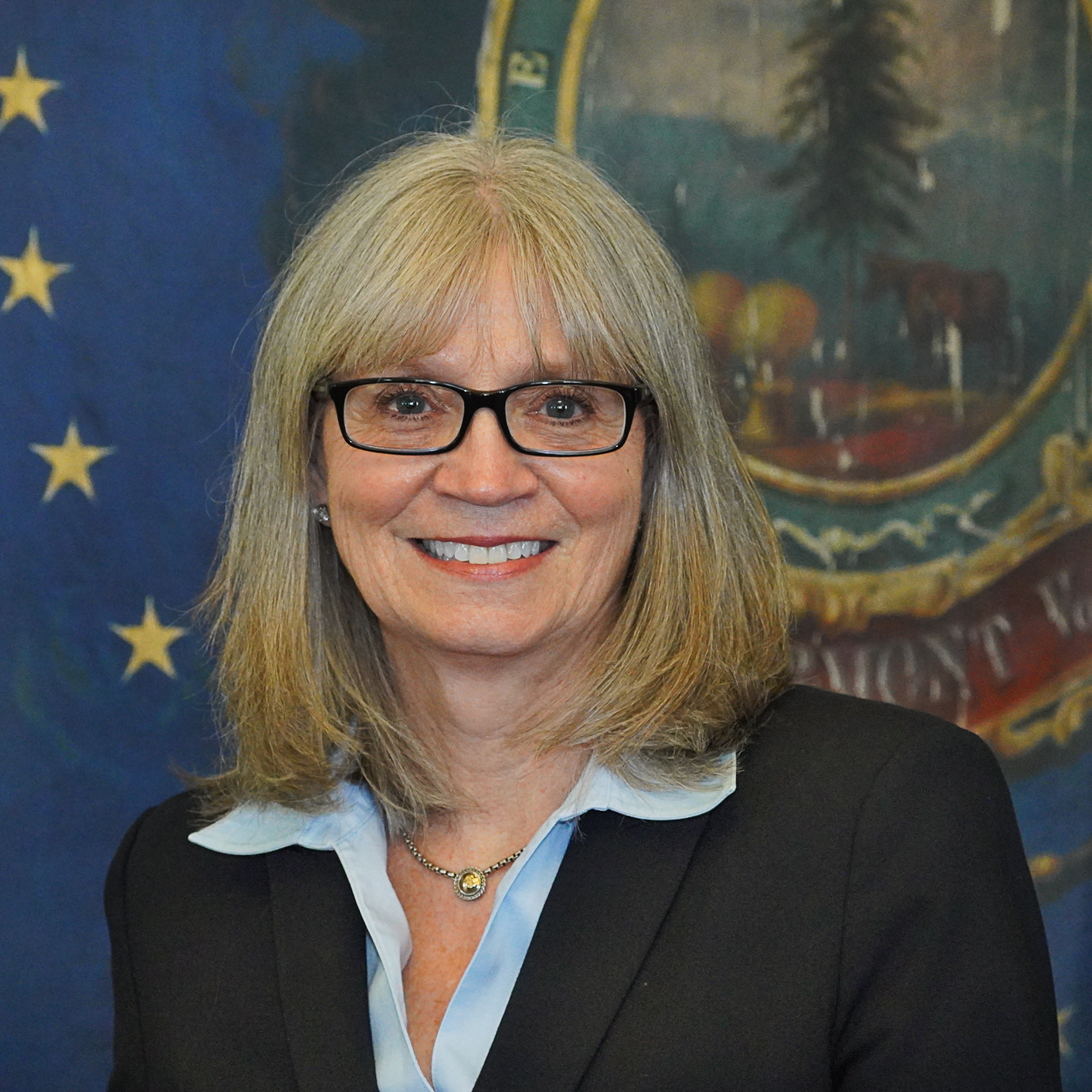
Rep. Pattie McCoy
Sponsored bills
Maddy summaryThis House Concurrent Resolution (HCR 165) commemorates Micheline Lemay of Stowe for her leadership in outdoor recreation and mindfulness. It specifically recognizes her work as a co-owner of Rugged Adventures Summer Camp, her personal journey overcoming serious health challenges including cancer, and her "Mansfield Million" ski challenge to ascend Mount Mansfield. The resolution directs the Secretary of State to send a copy to Micheline Lemay, with no policy changes or direct effects on legislation or constituents.
Maddy summaryHCR 172 is a commemorative resolution honoring Jon Gailmor, a Vermont folk singer and former Elmore Town Moderator who died in 2025. The resolution expresses the Vermont General Assembly’s condolences to his family and Elmore residents, recognizing his contributions as a musician who celebrated Vermont through songs like "A Town Meeting Tune" and his 15+ years serving as Elmore's town moderator. It directs the Secretary of State to send copies of the resolution to Gailmor’s family and the Elmore Town Clerk. This is a ceremonial measure with no policy impact.
Maddy summaryThis bill allows doctors to administer psychiatric medication without a patient's consent during emergency mental health crises under strict conditions. It requires physicians to inform patients about the medication details, risks, and their right to refuse before administration, and confirms that less restrictive alternatives were considered. The medication can be given for up to 72 hours initially, with court review required within 5 business days if continued treatment is needed, and no more than 10 days without a court order. The bill applies directly to patients in mental health emergencies and the hospitals or facilities treating them, mandating detailed documentation and limiting emergency use to unavoidable situations.
Maddy summaryThis bill changes how Vermont handles juvenile criminal cases by moving certain serious offenses to the Criminal Division of Superior Court instead of the Family Division. It applies to juveniles aged 14-22 for specific crimes like firearm use during felony, drug trafficking, or aggravated stalking (as listed in sections 5201(c)(3) and 5204(a)). Key provisions include prohibiting suspended sentences for repeat offenders with prior escape convictions or three felony convictions, requiring written court findings for deferred sentences, and creating a new forensic facility for certain offenders. The bill also repeals "Raise the Age" protections for 19-year-olds and establishes stricter rules for sentencing and case transfers.
Maddy summaryThis bill (H.719) allows Vermont hospitals and health systems to collaborate on initiatives like cost containment, improving rural healthcare access, or advancing state health goals without facing antitrust lawsuits, provided they follow a state approval process. It directly affects rural and community hospitals, health systems, and the Agency of Human Services, which must review and approve all proposed collaborations. Key mechanisms include requiring Secretary of Human Services approval before discussions begin, mandating that initiatives align with state health policy, and permitting shared data on costs and quality during approved collaborations. The state agency will also monitor these partnerships through quarterly reporting requirements.
Maddy summaryThis Vermont House resolution (HR 11) allows members of House committees to vote remotely for up to three days total during 2026. Committee members must notify the chair and clerk before voting remotely, and their votes will count toward meeting quorum requirements. The committee clerk must track all remote votes and the number of days each member uses this option. The resolution applies only to House committee voting procedures and expires at the end of 2026.
Maddy summaryThis bill repeals a rule requiring permits for road construction over certain lengths (800+ feet per road or 2,000+ feet total), simplifying development for clustered housing projects. It extends until 2030 exemptions for priority housing projects in designated downtowns, growth centers, or neighborhood areas with existing infrastructure. The bill also allows accessory dwelling units in single-family homes and small conversions of commercial buildings to housing (up to 29 units) without permits until 2030. These changes directly affect developers, homeowners, and municipalities by reducing regulatory barriers for housing construction in targeted areas.
Maddy summaryThis bill changes Vermont's Renewable Energy Standard to a Clean Energy Standard by including zero-emission energy sources, such as nuclear power, in the calculation of compliance. It updates reporting requirements under Section 202b of Vermont law to require the Commissioner of Public Service to assess how nuclear energy contributes to clean energy goals. The change directly affects Vermont electricity providers, who must now report nuclear energy as part of their clean energy compliance. The bill also requires annual reports to track progress toward clean energy targets, including cost-benefit analyses and equity considerations for different communities.
Maddy summaryH.454 establishes the Commission on the Future of Public Education to study Vermont's education system and develop recommendations for a statewide vision ensuring all students have substantially equal opportunities. The bill mandates creating new, larger school district boundaries effective July 1, 2027, and requires updates to career and technical education governance by 2026. It also plans for a full transition to these new districts by July 1, 2029, with funding and guidance to support the change. This directly affects Vermont’s 119 current school districts, students, teachers, and local communities by restructuring governance and resource allocation. The law, signed by the governor in July 2025, aims to address declining enrollment and unequal educational quality.