

Maddy summaryThis bill prohibits exposing pubic areas, genitals, or buttocks in public places where others can see, with penalties of up to six months in jail or a $500 fine. It directly affects anyone in public spaces, including private property visible to public areas like sidewalks. Key provisions include exceptions for designated changing areas and granting local municipalities authority to create ordinances or issue permits for designated nude areas or events. The law takes effect July 1, 2026.
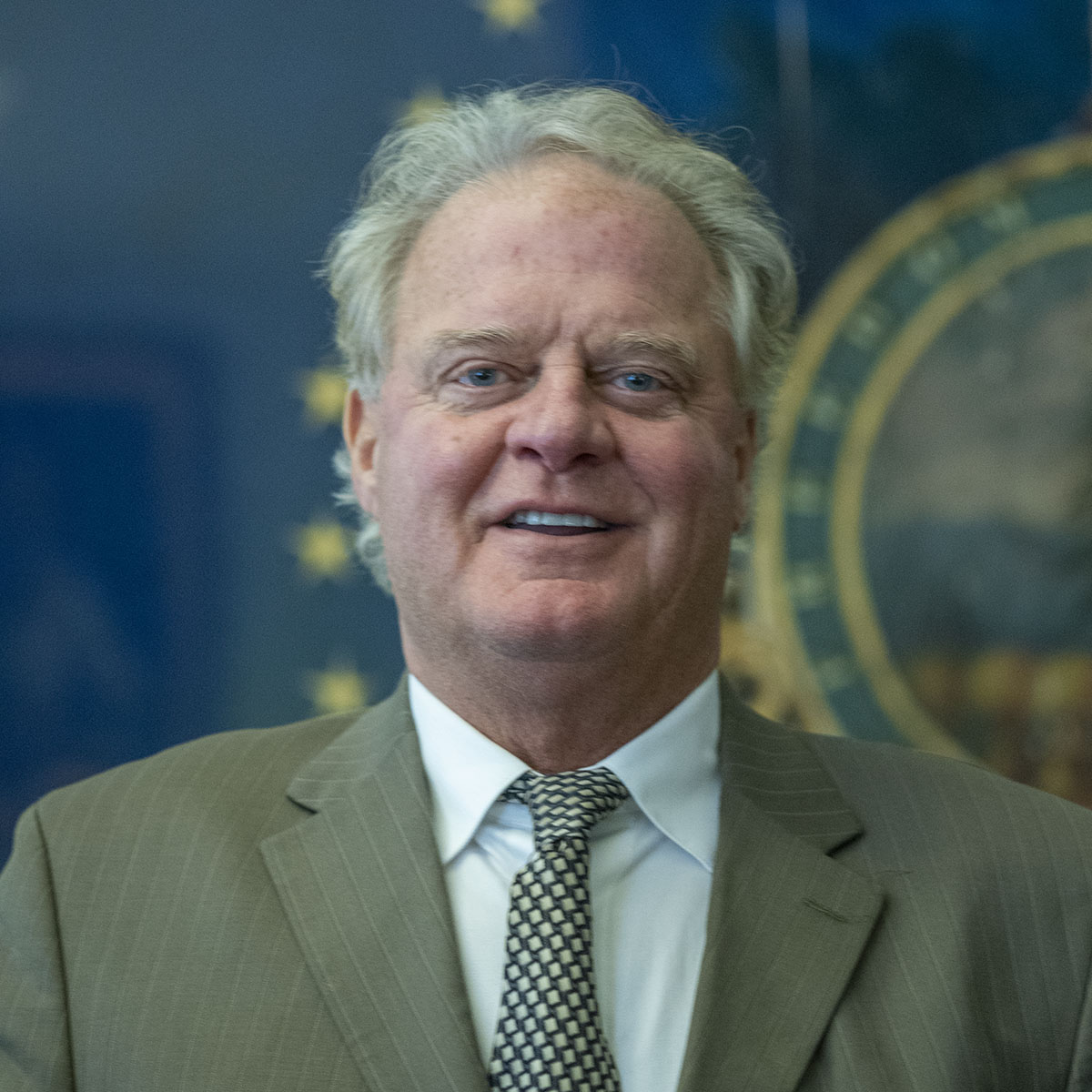
Rep. Ken Wells
Sponsored bills
Maddy summaryH.652 prohibits all landfill leachate discharges - whether treated or untreated - from entering the Lake Memphremagog watershed. This includes direct discharges from landfills or transfers to wastewater treatment facilities within the watershed. The bill targets PFAS-contaminated leachate, citing studies showing Lake Memphremagog has the highest PFOS levels in Vermont (2.8 ppt) and fish with PFAS at 1,000 ppt. It directly affects landfill operators and wastewater facilities in the watershed, banning any discharge that could harm the lake’s water quality or public health.
Maddy summaryH.638 establishes a voluntary certification program for recovery residences in Vermont through the Department of Health. It defines recovery residences as peer-support living spaces for people recovering from substance use disorders and sets six standards for certification, including meeting safety/sanitation rules, having a complaint process, and maintaining certification via a Vermont-approved organization. Certified residences must annually report data to the Department (e.g., resident numbers, employment changes) and undergo inspections with 10 days' notice. The bill directly affects recovery residences operating in Vermont, requiring them to meet these standards to participate in the program.
Maddy summaryH.643 redirects all revenue from Vermont's purchase and use tax to the Transportation Fund instead of the Education Fund, phasing out the education allocation over six years. The bill gradually reduces the annual cap for education funding - from $50 million in 2026 down to $10 million in 2030 - before fully repealing it by 2031. This change directly affects state budget allocations, shifting funds from education to transportation infrastructure without altering the tax itself. The policy change takes effect annually starting July 1, 2026, with full implementation by 2031.
Maddy summaryThis bill requires Vermont schools, school districts, cultural institutions (like museums), and educational programs receiving public funds to consult with and obtain written endorsement from the Odanak and Wôlinak First Nations before using or presenting materials about Indigenous history or culture in Vermont. It directly affects all public schools, approved independent schools, and cultural institutions hosting school groups that develop or use such curriculum. The key mechanism is mandating formal consultation and written approval from these two Abenaki nations, whose ancestral territory includes present-day Vermont, to ensure accuracy and cultural integrity. The bill is grounded in Vermont’s recognition of UNDRIP principles, particularly the right of Indigenous peoples to consent to decisions affecting their cultural heritage.
Maddy summaryH 397 updates Vermont's emergency management and flood response systems. It requires the Division of Emergency Management to annually report on mitigation plans to legislative committees and revise the State Emergency Management Plan every five years to cover response coordination, preparedness, and local planning templates. The bill expands grant funding for flood mitigation projects, including voluntary buyouts for flood-affected properties, and mandates new assistance for municipalities to access river monitoring and weather alert systems. It also provides municipalities with greater flexibility to borrow funds for emergency-related expenses and manage unspent budget balances. These changes directly affect state agencies, local governments, and communities in flood-prone areas.
Maddy summaryH 401 raises the weekly sales exemption limit for home-based food businesses (cottage food operations) from $125 to a higher amount adjusted for inflation. This change directly affects small-scale home bakers and producers of non-refrigerated foods like baked goods, jams, and dried snacks who currently must pay licensing fees once weekly sales exceed $125. The bill amends licensing fee rules to exempt these operations from fees when annual sales remain below the new threshold. It aims to support small producers by reducing regulatory barriers as economic conditions have changed since the original exemption was set. The bill passed both chambers and was signed into law in June 2025.
Maddy summaryThis House Concurrent Resolution (HCR 151) is a ceremonial gesture congratulating Casella Waste Systems, Inc. on its 50th anniversary. It formally recognizes the company's founding in 1975, growth to over 5,000 employees across 10 states, sustainability initiatives (including EV fleets and the Casella Center for Circular Economy), and community contributions. The resolution has no legislative effect - only directing the Secretary of State to send a copy to the company. It directly affects Casella Waste Systems, Inc., as the recipient of this symbolic recognition.
Maddy summaryH.518 proposes to repeal the State Climate Superfund Cost Recovery Program. If enacted, the Agency of Natural Resources would not be required to establish or implement this program. The bill would also eliminate the requirement for the State Treasurer to assess the cost of greenhouse gas emissions to Vermont and its residents. Any state positions authorized for the program or assessment would be terminated, and appropriated funds would be returned to the General Fund.
Maddy summaryThis House concurrent resolution formally recognizes May 2025 as National Tennis Month in Vermont. It acknowledges the sport's history and its promotion by organizations like the United States Tennis Association (USTA).