

Maddy summaryThis Vermont bill (H.822) requires providers of generative AI systems (like chatbots or image generators) to give consumers a tool to detect if content was created or altered by AI, and to offer users an option to add a watermark to AI-generated media. It directly affects AI companies and their users within Vermont. The key provisions are mandatory content detection tools and optional watermarks to identify AI-generated content, aiming to increase transparency for consumers.
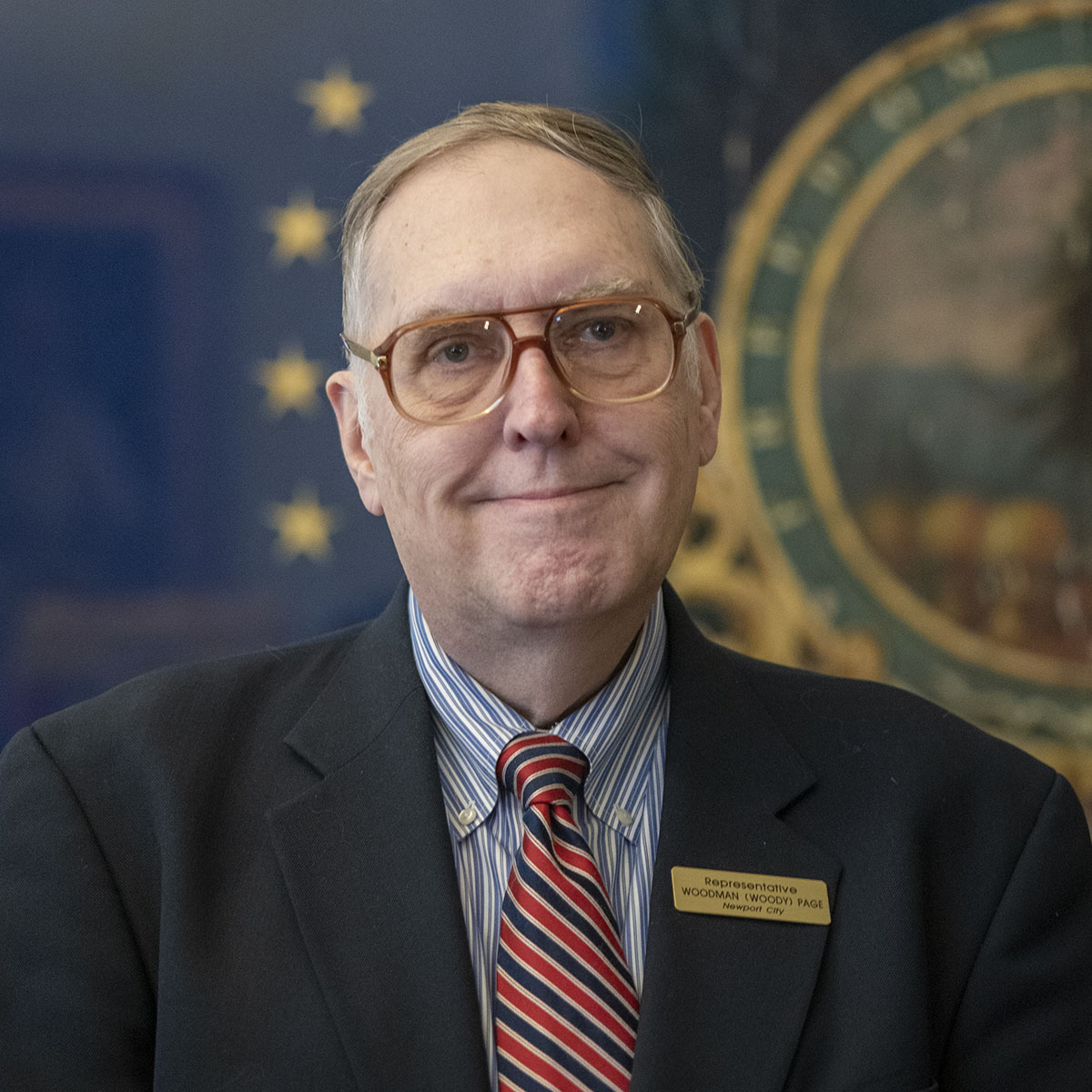
Rep. Woody Page
Sponsored bills
Maddy summaryThis bill (H.825) simplifies the process for property owners to install wheelchair ramps by removing the requirement to submit a zoning permit application. It directly affects property owners seeking to make accessibility improvements and the municipal panels that review development projects. The key provision requires these panels to allow ramp construction without permits and mandates they receive training on the Americans with Disabilities Act (ADA) as it relates to zoning. This change aims to reduce barriers for accessible home modifications while ensuring local officials understand ADA compliance.
Maddy summaryH.821 establishes an updated Artificial Intelligence Advisory Council in Vermont, requiring it to study AI's impacts on education, finance, and public health. The bill mandates that businesses using generative AI in consumer services must disclose this usage to customers. The Council must submit a report by January 15, 2027, with recommendations for ethical AI use in public services and pilot projects for public finance engagement. The bill also specifies the Council's membership composition, including state agency representatives and experts in ethics, health, and education. This legislation directly affects Vermont state agencies, healthcare providers, educational institutions, and businesses offering consumer services using AI tools.
Maddy summaryVermont's Joint Resolution JRH 7 expresses strong support for the existing U.S.-Denmark treaty governing Greenland and opposes any U.S. efforts to secure sovereignty over the island. It specifically references recent statements by President Trump and his administration suggesting potential military action or purchase of Greenland, which Vermont lawmakers characterize as disregarding Greenland and Denmark's sovereignty. The resolution directs Vermont's Secretary of State to send a copy to President Trump, Secretary of State Marco Rubio, and Danish Prime Minister Mette Frederiksen. This non-binding resolution directly addresses U.S. foreign policy toward Greenland and NATO allies, reflecting Vermont's position on current diplomatic tensions. It does not alter laws but formally states the state's opposition to moves that could disrupt the current treaty framework.
Maddy summaryHCR 172 is a commemorative resolution honoring Jon Gailmor, a Vermont folk singer and former Elmore Town Moderator who died in 2025. The resolution expresses the Vermont General Assembly’s condolences to his family and Elmore residents, recognizing his contributions as a musician who celebrated Vermont through songs like "A Town Meeting Tune" and his 15+ years serving as Elmore's town moderator. It directs the Secretary of State to send copies of the resolution to Gailmor’s family and the Elmore Town Clerk. This is a ceremonial measure with no policy impact.
Maddy summaryThis bill requires solar energy project developers to disclose soil types on proposed sites, specifically detailing the acreage of prime farmland and other agricultural soils affected. It mandates the Agency of Agriculture, Food and Markets to be a required party in all solar facility siting cases before Vermont's Public Utility Commission, ensuring agricultural impacts are formally considered. The bill explicitly states that restricting farming on more than five acres for solar projects would constitute an undue burden, prioritizing agricultural land preservation. This directly affects solar developers planning facilities over 500 kilowatts on agricultural land, requiring them to provide detailed soil impact data during permitting.
Maddy summaryH.652 prohibits all landfill leachate discharges - whether treated or untreated - from entering the Lake Memphremagog watershed. This includes direct discharges from landfills or transfers to wastewater treatment facilities within the watershed. The bill targets PFAS-contaminated leachate, citing studies showing Lake Memphremagog has the highest PFOS levels in Vermont (2.8 ppt) and fish with PFAS at 1,000 ppt. It directly affects landfill operators and wastewater facilities in the watershed, banning any discharge that could harm the lake’s water quality or public health.
Maddy summaryH.638 establishes a voluntary certification program for recovery residences in Vermont through the Department of Health. It defines recovery residences as peer-support living spaces for people recovering from substance use disorders and sets six standards for certification, including meeting safety/sanitation rules, having a complaint process, and maintaining certification via a Vermont-approved organization. Certified residences must annually report data to the Department (e.g., resident numbers, employment changes) and undergo inspections with 10 days' notice. The bill directly affects recovery residences operating in Vermont, requiring them to meet these standards to participate in the program.
Maddy summaryThis House Concurrent Resolution (HCR 151) is a ceremonial gesture congratulating Casella Waste Systems, Inc. on its 50th anniversary. It formally recognizes the company's founding in 1975, growth to over 5,000 employees across 10 states, sustainability initiatives (including EV fleets and the Casella Center for Circular Economy), and community contributions. The resolution has no legislative effect - only directing the Secretary of State to send a copy to the company. It directly affects Casella Waste Systems, Inc., as the recipient of this symbolic recognition.
Maddy summaryH.518 proposes to repeal the State Climate Superfund Cost Recovery Program. If enacted, the Agency of Natural Resources would not be required to establish or implement this program. The bill would also eliminate the requirement for the State Treasurer to assess the cost of greenhouse gas emissions to Vermont and its residents. Any state positions authorized for the program or assessment would be terminated, and appropriated funds would be returned to the General Fund.