

Maddy summaryHCR 68 is a ceremonial resolution, not a law, that honors Vermont's manufacturing sector. It designates April 2, 2025, as "Manufacturing Day" for an event at the Vermont State House. The resolution celebrates manufacturing's economic impact - highlighting its $3 billion contribution to Vermont's GDP and 30,000 jobs - while directing the Secretary of State to share the resolution with industry groups like the Vermont Chamber of Commerce and Vermont Manufacturing Extension Center. This is a symbolic gesture with no new policies or funding, solely aimed at recognizing the industry's role.
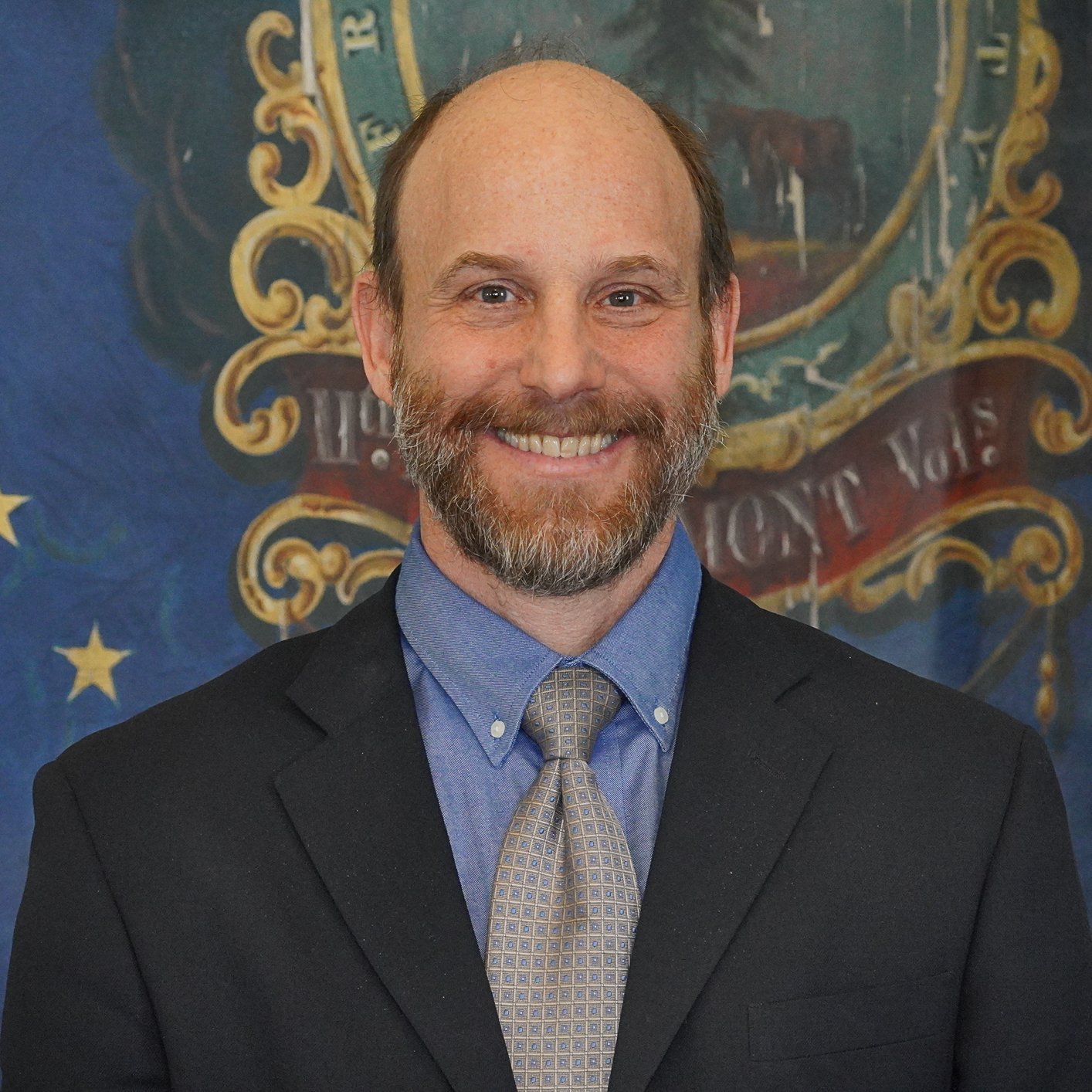
Rep. Larry Satcowitz
Sponsored bills
Maddy summaryHCR 60 is a ceremonial resolution designating March 25, 2025, as Intellectual and Developmental Disabilities Day at the Vermont State House. It formally recognizes advocates and individuals with intellectual and developmental disabilities who will visit the State House that day to discuss service needs. The resolution has no policy or funding changes - it simply designates a day for acknowledgment and directs the Secretary of State to share the resolution with advocacy groups present. This is a symbolic gesture, not a substantive legislative action.
Maddy summaryHCR 54 is a ceremonial resolution honoring Thomas Paul Salmon, a former Vermont Representative, Governor (75th), and Interim University of Vermont President. The resolution expresses the General Assembly's condolences to his family following his death on January 14, 2025, and directs the Secretary of State to send a copy of the resolution to them. It commemorates his career, including his two terms as governor (1972-1978) and his six-year tenure as UVM Interim President. As a non-binding memorial resolution, it has no policy impact or direct effect on constituents.
Maddy summaryHCR 13 is a non-binding memorial resolution honoring Robert Louis Picher, the former Clerk of the Vermont House of Representatives. It commemorates his 30 years of service (1963-1993, plus 2002 acting role), military career, legal background, and community contributions. The resolution expresses the Vermont General Assembly’s condolences to his family and directs the Secretary of State to send a copy to them. This is purely ceremonial with no policy changes or affected constituents.
Maddy summaryH 460 designates U.S. Route 5 (from Massachusetts to Quebec) as a bicycle corridor and requires Vermont's Agency of Transportation to create a steering committee. This committee must develop a coordinated plan for building bicycle paths along the route, addressing tourism, safety, funding, and phased construction while collaborating with municipalities, tourism groups, conservation organizations, and neighboring states. The bill directly affects communities along U.S. Route 5, tourism businesses, and active transportation users by prioritizing safe infrastructure development. Key provisions mandate the committee to evaluate tourism benefits, coordinate with existing trails, and identify funding sources for the bicycle path projects.
Maddy summaryH.426 provides funding for electric vehicle and eBike incentive programs, including $6 million for new plug-in electric vehicle purchases and $150,000 for eBike incentives in fiscal year 2026. It imposes a $0.30 fee on retail deliveries (subject to sales tax) to generate revenue for transportation initiatives and allocates $2.8 million to public transit agencies to maintain service levels. The bill also requires updated transportation standards to include complete streets and green infrastructure, establishes rules for electric vehicle charging equipment installation, and directs evaluations of projects to reduce vehicle miles traveled and emissions. These changes directly affect vehicle buyers, retail delivery vendors, public transit agencies, and municipalities seeking infrastructure funding.
Maddy summaryHCR 48 is a ceremonial resolution honoring former Vermont House Representative Curt McCormack of Burlington, who died in September 2024. It recognizes his environmental advocacy (including pioneering work on chlorofluorocarbon limits), transportation leadership (as Bicycle-Pedestrian Coordinator and House Transportation Committee Chair), and service as a Peace Corps volunteer in Senegal. The resolution extends condolences to his family and directs the Secretary of State to send a copy to them. This procedural resolution does not create policy changes or affect any constituents.
Maddy summaryH 373 proposes pilot programs to expand democratic participation in Vermont's state and local governments. It would create new neighborhood and regional planning assemblies, test methods like random selection (sortition) and structured group discussions (charrettes), require paid time off for election participation, and fund school assemblies to decide school policies. The bill also explores linking community engagement to health outcomes and provides grants for schools to use deliberative processes. These pilot projects would affect towns, cities, villages, schools, and public bodies, but the bill is currently in committee and has not become law.
Maddy summaryHCR 30 is a memorial resolution honoring Donald H. Turner Jr., a former Vermont Representative, House Republican Leader, and Milton Town Manager. The resolution expresses the General Assembly's condolences to his family following his death in November 2024 and directs copies of the resolution to his family, the Milton Town Clerk, and the Milton Fire Department. This procedural resolution commemorates his public service, including his 30+ years with the Milton Fire Department and his legislative career representing Milton.
Maddy summaryThis bill prohibits all use and sale (including online) of first- and second-generation anticoagulant rodenticides across Vermont, affecting residents, businesses, and commercial pest control applicators. It allows limited exemptions for the Department of Fish and Wildlife when pest control is necessary or no alternatives exist. Additionally, the bill restricts other rodenticides like bromethalin near wildlife refuges, state parks, and ecologically sensitive areas. The law aims to reduce risks to wildlife and ecosystems from these chemicals.