

Maddy summaryThis House Concurrent Resolution (HCR 29) is a ceremonial gesture congratulating Montgomery runner Elinor Purrier St. Pierre on her eighth-place finish in the women's 1500m at the 2024 Paris Olympics. It recognizes her athletic achievements, including American records and prior Olympic participation, as detailed in the resolution's "whereas" clauses. The resolution directs Vermont's Secretary of State to send a copy of the resolution to Ms. Purrier St. Pierre. As a symbolic tribute with no policy changes or direct effects, it does not alter laws or affect any constituents beyond expressing legislative recognition.
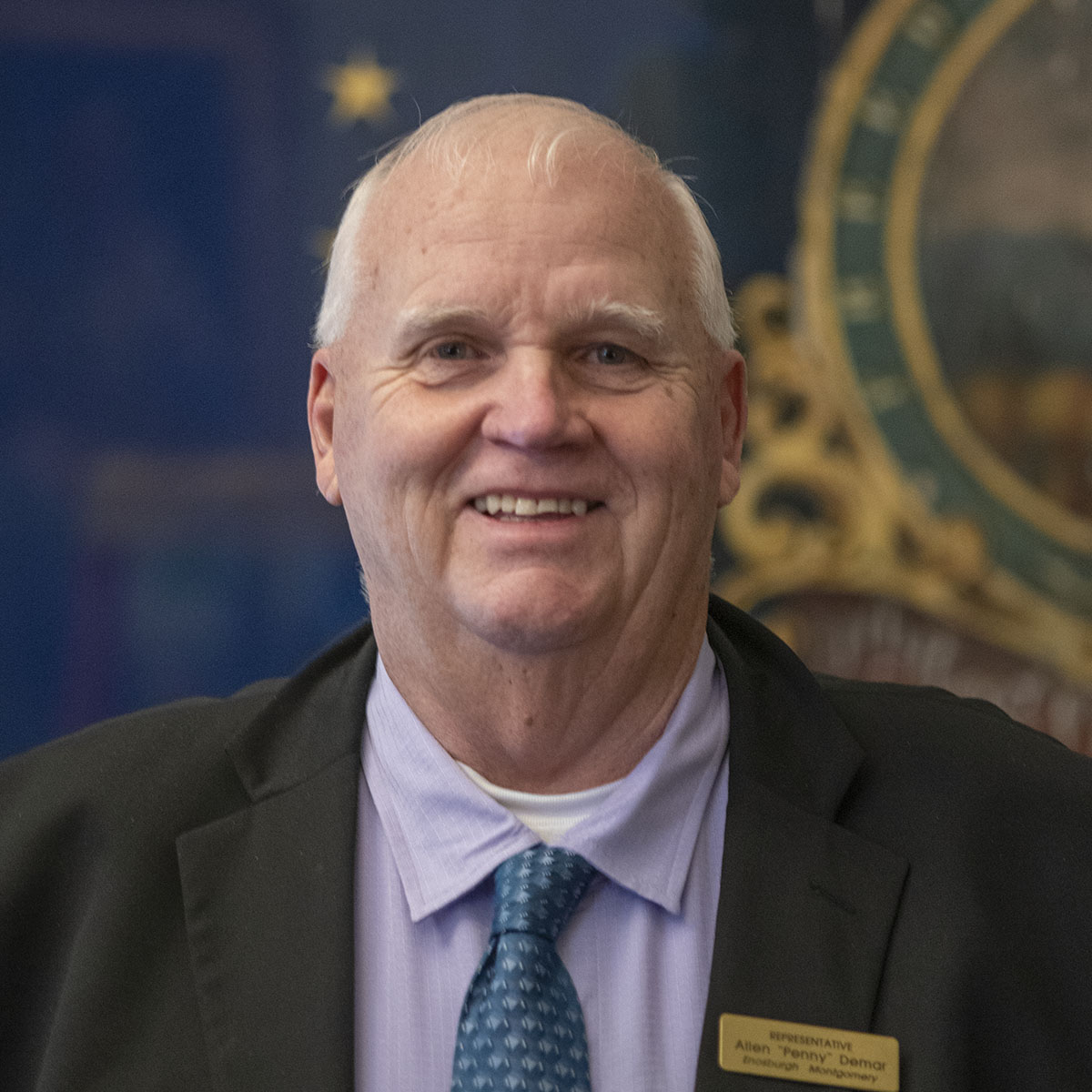
Rep. Penny Demar
Sponsored bills
Maddy summaryThis ceremonial resolution honors the Vermont Old Cemetery Association (VOCA) for its 65+ years of preserving Vermont's historic cemeteries. VOCA provides restoration grants, veteran burial support, and educational resources (like its newsletter and book *Burial Grounds of Vermont*) to local cemetery groups and municipalities. The resolution formally recognizes VOCA's work without creating new laws, funding, or policy changes. It serves as a symbolic gesture of appreciation for the organization's contributions to cemetery preservation and public education.
Maddy summaryJRH 2 is a Vermont legislative resolution urging President Trump to avoid imposing tariffs on goods and services imported from Canada. It directly affects Vermonters by highlighting the state's deep economic ties with Canada, including $2.6 billion in annual imports, 17,000 jobs supported by Canadian investments, and critical energy imports (100% of Vermont Gas Systems' supply). The resolution formally requests the President refrain from tariffs, citing risks to Vermont's economy and longstanding cross-border trade relationships, and directs the Secretary of State to send it to the President, Governor Scott, and Canadian officials.
Maddy summaryThis House Concurrent Resolution (HCR 12) is a non-binding ceremonial resolution expressing legislative congratulations to the University of Vermont (UVM) men's soccer team for winning their first NCAA Division I men's soccer championship (College Cup) in 2024. It formally recognizes the team's achievement, including their "Cardiac Cats" nickname and championship victory over Marshall University. The resolution directs the Secretary of State to send a copy to UVM Athletics but does not create any new policy, funding, or legal obligations. It is purely symbolic recognition of the team's athletic accomplishment.
Maddy summaryH 159 proposes to repeal Vermont's Renewable Energy Standard (RES), which required electricity providers to source increasing percentages of renewable energy. If passed, this bill would eliminate the legal requirement for Vermont's electricity providers to meet specific renewable energy procurement targets. The repeal would remove provisions mandating that providers purchase renewable energy to meet the RES, effectively ending the state's mandatory renewable energy goals. This directly affects all Vermont electricity providers subject to the RES, though it does not address existing renewable energy projects or contracts.
Maddy summaryH 139 creates a working group to study whether Vermont's secondary schools should require licensed athletic trainers at all athletic events and practices. The group, made up of education leaders, athletic directors, and athletic trainers, will examine the need, available resources, and cost-effective ways to share trainers across school districts. They must submit a report to lawmakers by December 1, 2025, but the bill itself does not require trainers to be present - only study the possibility. This affects all Vermont public secondary schools, particularly rural districts facing medical access challenges.
Maddy summaryThis bill declares Lake Memphremagog a "lake in crisis" under Vermont law, directly affecting the lake and communities relying on it for drinking water (serving 175,000 people), recreation, and economic activity. It eliminates the requirement that a municipality must have reduced real property valuations due to the lake's condition for a "lake in crisis" designation. The bill mandates a crisis response plan including controls on discharges of effluent to the lake's tributaries. The measure takes effect immediately for the declaration but changes to the designation criteria will apply starting July 1, 2025.
Maddy summaryThis bill, H.104, requires Vermont state public assistance programs to exclude veterans' disability benefits from income calculations when determining eligibility. It directly affects veterans applying for state benefits administered by the Departments of Children and Families, Vermont Health Access, and Disabilities, Aging, and Independent Living. The key provision mandates that these departments must not count veterans' disability benefits toward income thresholds for programs like food assistance, healthcare, or housing support. The change takes effect July 1, 2025, ensuring veterans’ disability payments no longer reduce their eligibility for state aid.
Maddy summaryH.112 provides medical debt relief for Vermont residents by appropriating $1 million to contract with a nonprofit to purchase and erase qualifying medical debt. It directly affects Vermonters with household incomes at or below 400% of the federal poverty level or those owing medical debt equal to 5% or more of their household income. The bill prohibits credit bureaus from reporting medical debt on credit reports and bans healthcare providers from submitting such debt to credit agencies. It requires debt relief contractors to remove adverse credit information after debt abolition, ensuring no cost or tax impact for affected residents.
Maddy summaryThis bill would allow all Vermont students in pre-kindergarten through 12th grade to attend any public or approved independent school of their choice, regardless of where they live. It establishes a "School Choice Grant" funded by redirecting existing education funds that would have gone to the student's home school district to the chosen school. Schools must accept students unless they lack capacity (using lotteries for oversubscription), and cannot deny enrollment based on protected characteristics. The bill also requires a report by the Joint Fiscal Office by 2026 on integrating this program into Vermont's overall education funding system.