

Maddy summaryThis bill creates a Motor Vehicle Purchase Cancellation Study Committee to examine potential changes to Vermont law that would allow buyers to return a vehicle after purchase or cancel a contract before delivery. The committee, including state agency representatives and industry stakeholders, will study the legal rights of purchasers and impacts on dealerships. It must submit a report with recommendations by January 15, 2026, but the bill itself does not change current cancellation policies. The study focuses specifically on return rights after purchase and pre-delivery cancellation.
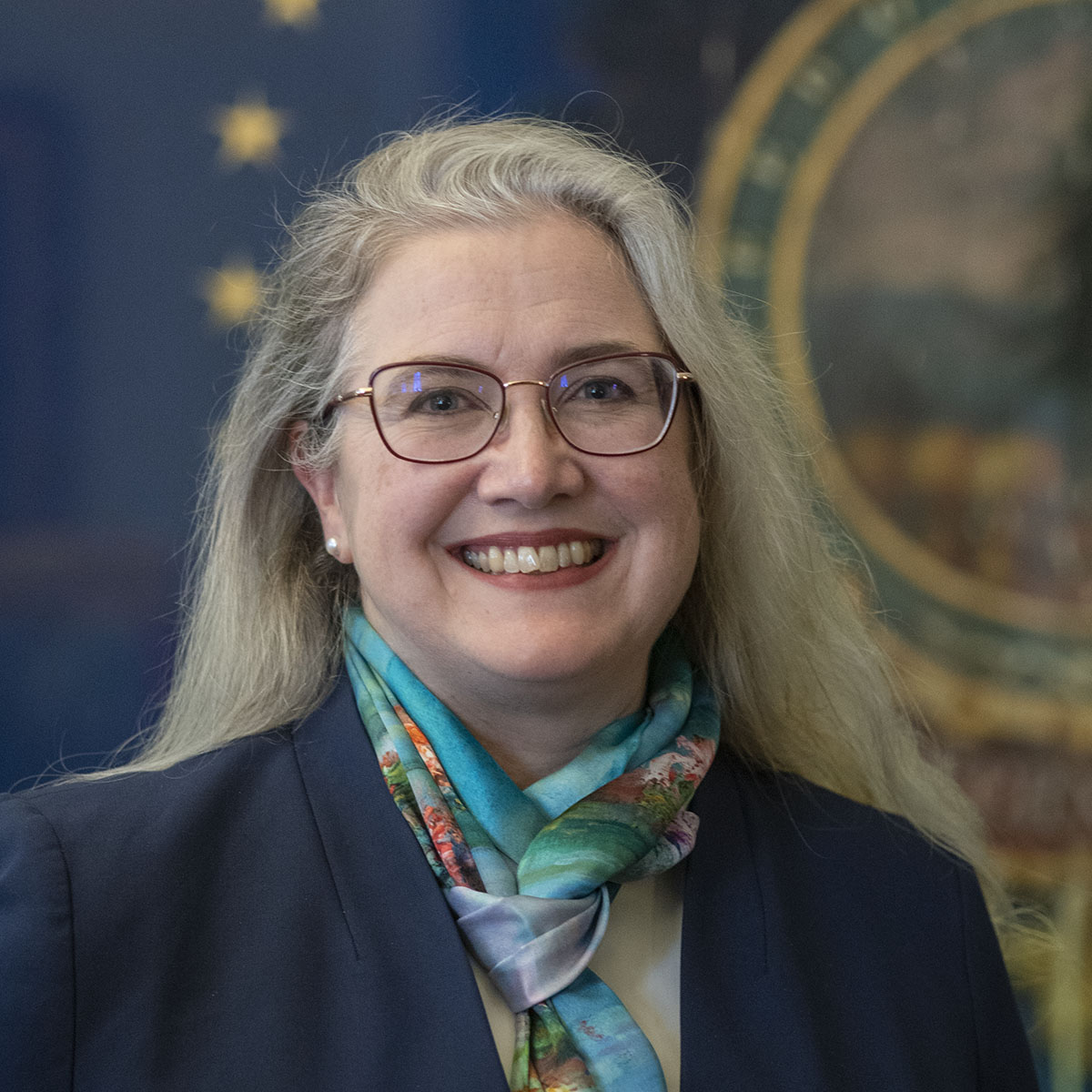
Rep. Bridget Burkhardt
Sponsored bills
Maddy summaryThis House Concurrent Resolution (HCR 12) is a non-binding ceremonial resolution expressing legislative congratulations to the University of Vermont (UVM) men's soccer team for winning their first NCAA Division I men's soccer championship (College Cup) in 2024. It formally recognizes the team's achievement, including their "Cardiac Cats" nickname and championship victory over Marshall University. The resolution directs the Secretary of State to send a copy to UVM Athletics but does not create any new policy, funding, or legal obligations. It is purely symbolic recognition of the team's athletic accomplishment.
Maddy summaryH.164 would change how Vermont distributes local option tax revenue to municipalities, increasing the share from 70% to 80% for the communities generating that revenue. It also requires that any surplus in the PILOT Special Fund (a fund for payments in lieu of taxes from state-owned properties) be distributed proportionally to the municipalities that contributed to the surplus. The bill directs the Joint Fiscal Office to prepare a report on transitioning to a system where the state retains only the minimal amount needed to administer the fund, aiming to eliminate future surpluses. This bill directly affects all Vermont municipalities receiving local option tax revenue and those contributing to the PILOT Special Fund.
Maddy summaryH.144 requires food service establishments in Vermont (including restaurants and takeout businesses) to train designated staff on food allergens and post specific signage. Owners must assign "food safety officers" for customer-facing and food-preparation roles to complete online training, with businesses covering all costs. Establishments must display signage listing major allergens, indicating staff training levels, emergency procedures, and allergy symptoms, while menus must include a request for customers to disclose allergies. The law applies to all licensed food service businesses and takes effect July 1, 2025.
Maddy summaryH 97 prohibits firearms and deadly weapons in Vermont schools, school property, and childcare centers, with limited exceptions. It directly affects students, staff, and visitors at these locations by making unauthorized possession a crime punishable by fines or jail time (up to 1 year for first offense, 3 years for repeat offenses). Key exceptions include law enforcement officers on duty, authorized school personnel for specific purposes (like instruction), and firearms at childcare centers located in a person’s home. The bill defines "school property" broadly to include leased or controlled areas and clarifies it doesn’t prevent other charges like assault.
Maddy summaryH.112 provides medical debt relief for Vermont residents by appropriating $1 million to contract with a nonprofit to purchase and erase qualifying medical debt. It directly affects Vermonters with household incomes at or below 400% of the federal poverty level or those owing medical debt equal to 5% or more of their household income. The bill prohibits credit bureaus from reporting medical debt on credit reports and bans healthcare providers from submitting such debt to credit agencies. It requires debt relief contractors to remove adverse credit information after debt abolition, ensuring no cost or tax impact for affected residents.
Maddy summaryThis bill requires Vermont Medicaid to cover medically necessary play therapy services for eligible patients. It directly affects Vermont Medicaid recipients, particularly children and adolescents receiving mental health treatment. The law mandates coverage for play therapy provided by specific licensed professionals (such as psychiatrists, psychologists, and clinical social workers) and defines play therapy as using toys, games, and role-playing to address mental health challenges. The coverage becomes effective July 1, 2025.
Maddy summaryThis bill would require Vermont public schools, independent schools, career and technical centers, and prequalified private prekindergarten programs to ban student use of cell phones and personal electronic devices during the entire school day, from arrival to dismissal. It also prohibits schools from using social media to communicate with students directly. Exceptions are permitted for students with documented medical needs (requiring physician documentation) or for those using devices as part of an individualized education program (IEP) or 504 plan. The policy aims to reduce distractions and support student well-being, aligning with findings about youth mental health and social media use.
Maddy summaryThis bill requires Vermont's Department of Corrections to partner with local opioid treatment programs to provide medication for opioid use disorder (like buprenorphine or methadone) in correctional facilities. It ensures inmates with opioid use disorder can continue their prescribed medication upon admission and receive at least a 28-day supply upon release to maintain treatment continuity. The law updates existing medical care standards to mandate these partnerships through memorandums of understanding with community treatment providers. It directly affects incarcerated individuals in Vermont facilities who require opioid use disorder treatment, aligning their care with community-based treatment systems. The bill focuses on concrete policy changes to improve access to evidence-based treatment during incarceration and transition to community care.