

Maddy summaryThis bill expands protections for Medicaid beneficiaries' estates by limiting when the state can recover medical costs from their assets after death. It directly affects families of deceased Medicaid recipients in Vermont, particularly those with low income or caregiving contributions to the decedent. The law prohibits estate recovery against homesteads that pass to heirs with income below 300% of the federal poverty level or to siblings who financially supported the decedent to avoid nursing home placement. It also protects sole income-producing assets of heirs and homesteads belonging to refugees. The changes apply immediately upon passage and require state funding to cover certain homestead recoveries that would otherwise be owed to the federal government.
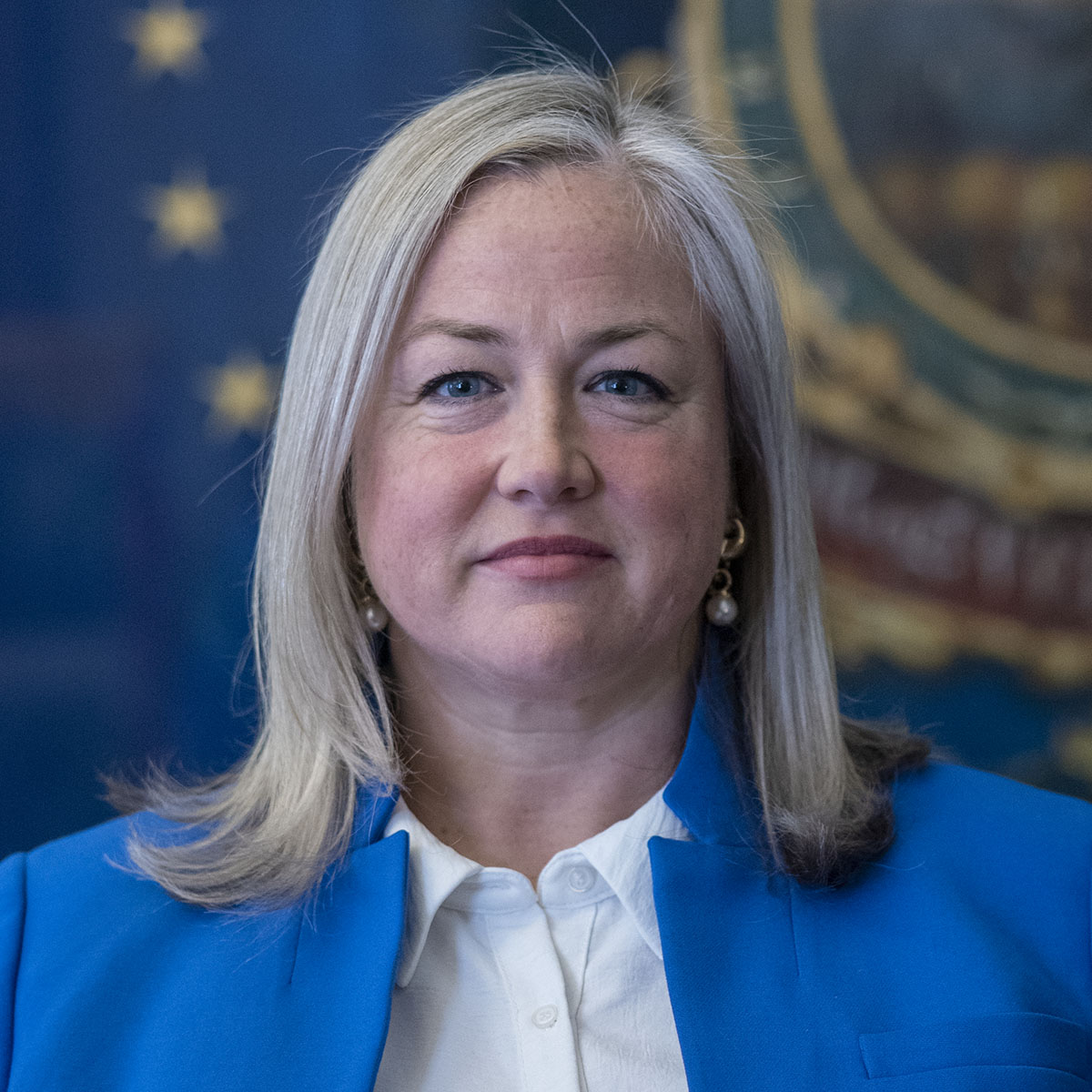
Rep. Chea Evans
Sponsored bills
Maddy summaryThis bill requires law enforcement officers to detain a driver for a primary violation before issuing a ticket for specific secondary motor vehicle violations. The changes directly affect drivers in Vermont who may be stopped for issues like expired registration, driving without a license, or broken taillights. Under the new rules, officers must have a valid reason to stop a vehicle first, such as a safety concern or another suspected offense, before addressing these secondary violations. The legislation takes effect on July 1, 2023, and applies to ten specific categories of violations listed in the bill text.
Maddy summaryThis bill creates a temporary Building Energy Code Study Committee to address low compliance rates with Vermont's residential and commercial building energy standards. The committee will consist of 15 members representing government agencies, industry groups, and municipalities, and will study strategies to improve code enforcement and administration. Key recommendations may include designating the Division of Fire Safety as the statewide authority for energy code enforcement and developing funding mechanisms such as incentives and federal grants. The committee must submit its final report to the General Assembly by December 1, 2023, and will be funded with $125,000 for consultant services and member compensation.
Maddy summaryThis bill proposes to increase pay and expand benefits for Vermont state legislators by making them eligible for the state employees' health insurance plan at no cost to themselves. It would establish an annual salary equal to half the statewide average wage, with higher amounts for the Speaker of the House and Senate President Pro Tempore, and include reimbursements for child care, dependent care, and overnight parking for those with mobility limitations. The legislation also provides per diem compensation and expense reimbursement for legislators-elect attending pre-session training and meetings, while updating rules for out-of-state committee business to include mileage, lodging, and meal reimbursement. These changes would be implemented through amendments to existing state statutes governing legislative compensation and benefits.
Maddy summaryThis bill modifies how retirement payments are adjusted for teachers in Vermont's State Teachers' Retirement System based on changes in the Consumer Price Index. It establishes new caps on annual increases and decreases, limiting adjustments to five percent for those who retired before July 2022 and four percent for those retiring on or after that date. The legislation also changes how cost-of-living decreases are handled, allowing them to offset future increases rather than immediately reducing benefits. Additionally, the bill appropriates $3.7 million in state funds for the 2024 fiscal year to cover the system's employer contributions.
Maddy summaryThis bill requires secondary school districts in Vermont to include at least two nonvoting student members on their school boards, allowing students to participate in board discussions and provide input on policies and budgets without casting votes. Student members would be appointed by the board based on applications submitted by district residents, receive the same compensation as voting members, and attend all regular meetings with specialized training on board procedures. Additionally, serving as a student school board member would count toward flexible graduation pathways, recognizing this experience as applied or work-based learning. The bill applies only to districts providing secondary education, while elementary-only districts are encouraged but not required to include student representation.
Maddy summaryThis bill requires Vermont school districts that do not operate their own elementary or high schools to designate up to three eligible schools to serve as the public schools for their students. These designated schools can be public schools in Vermont or other states, or recognized independent schools that meet specific criteria such as serving as regional career centers or being designated as public schools under older laws. The legislation also repeals the definition and approval process for independent schools while keeping the recognized independent school enrollment process intact. Additionally, it creates a new definition for therapeutic schools and adjusts special education tuition provisions. The bill allows school districts to pay tuition to designated schools for their students without requiring a separate vote from the district's electorate, though some existing options for tuition payment remain available.
Maddy summaryThis bill expands the 802 Opportunity Grant to provide tuition assistance for youth in foster care and kinship care in Vermont. It directly affects students under the custody of the Commissioner for Children and Families, as well as young adults aged 18 to 24 who were in foster care or permanent guardianship for at least six months between ages 16 and 18. The key provision increases the annual grant amount from $3,000 to $4,000 and allows eligible students to receive grants for up to six consecutive years or until they complete an undergraduate degree, whichever comes first. The bill also appropriates an additional $150,000 for fiscal year 2024 to fund these expanded grants and takes effect on July 1, 2023.
Maddy summaryThis bill allows Vermont state legislators to take temporary or partial leave from their full-time or part-time jobs while serving in the General Assembly. It directly affects employees who must leave their current positions to take legislative office. The key provision ensures that taking this leave does not result in loss of job status, seniority, or eligibility for insurance and other employee benefits. The changes would take effect on July 1, 2023.
Maddy summaryThis bill establishes a public prekindergarten education program in Vermont, making full-day early education available to three- and four-year-old children and five-year-olds not yet in kindergarten. It creates a new Department of Economic Empowerment by reorganizing the Department for Children and Families, adds a second Deputy Secretary to the Agency of Education with specific qualifications, and provides property tax exemptions for child care providers. The legislation also expands eligibility and payment rates for the Child Care Financial Assistance Program, creates a new Noncitizen Child Care Assistance Program, and introduces grants to support child care workforce retention.