

Maddy summaryThis bill requires sellers and landlords in Vermont to disclose flood risk information to buyers and tenants, including whether properties are in mapped flood hazard areas and if they have experienced past flooding. It also establishes accessibility standards for state-funded residential construction and updates definitions and disclosure requirements for mobile homes and mobile home parks. The legislation creates legal consequences for sellers who fail to provide required flood information, allowing buyers to terminate contracts or seek damages. Additionally, the bill mandates that mobile home sales include written disclosures about flooding history and requires appraisal reports to separate the value of the mobile home from its location.
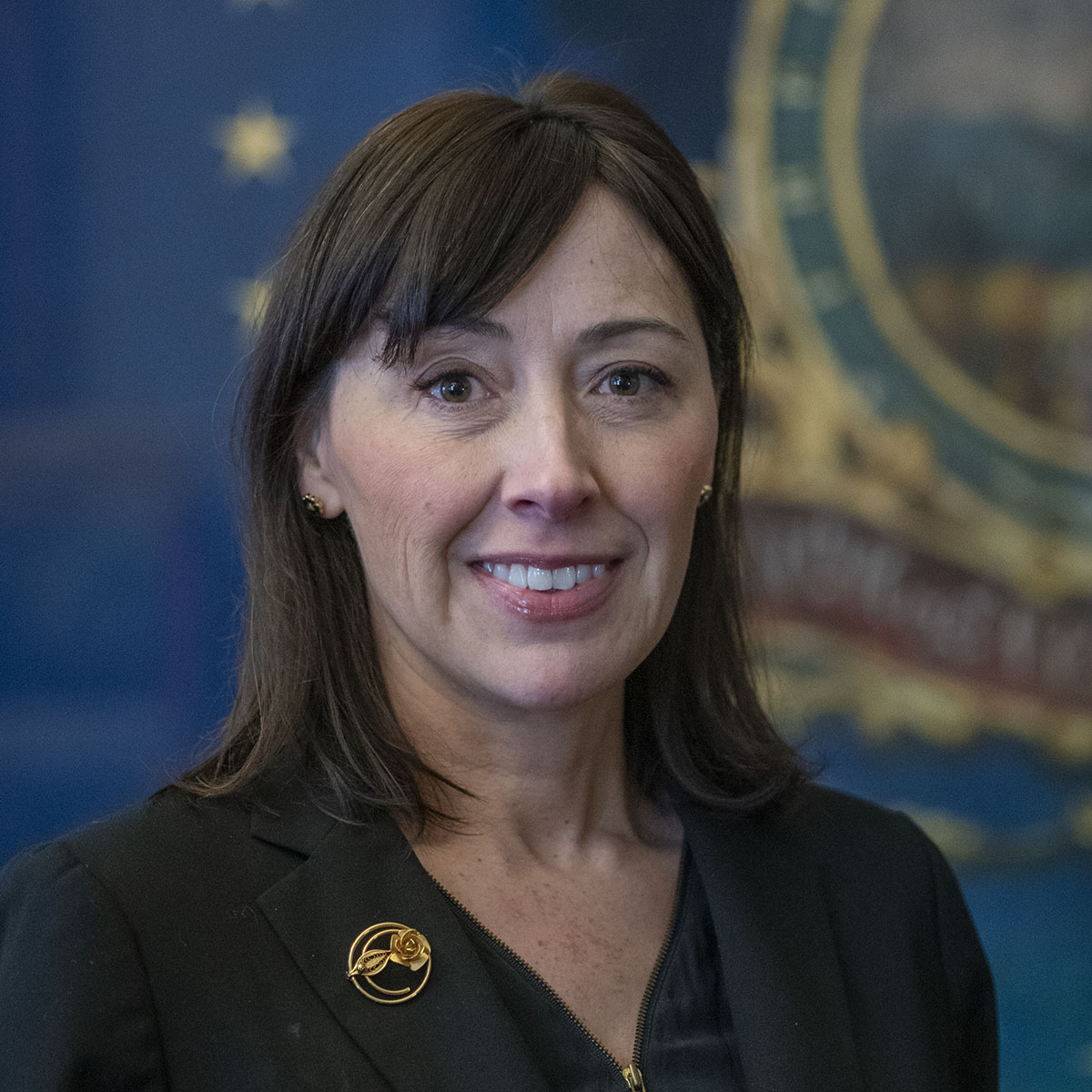
Rep. Daisy Berbeco
Sponsored bills
Maddy summaryThis bill establishes the Vermont Baby Bond Trust, a state-administered fund designed to provide financial support to children born on or after July 1, 2024, who qualify for Medicaid or similar health coverage at birth. The program would allow eligible children to receive bonds that can be used for education, purchasing a home, starting a business, or contributing to retirement accounts once they reach adulthood. The trust would be managed by the State Treasurer, who would invest the funds to generate earnings while keeping the assets separate from general state funds and exempt from state taxes. Money in the trust would only be disbursed for approved purposes and would not count as income or assets when determining eligibility for other assistance programs.
Maddy summaryThis bill is a ceremonial resolution that honors Sergeant at Arms Janet Miller for her service to the Vermont General Assembly. It recognizes her long career, which includes managing security, coordinating events, and overseeing the Legislative Council before she was elected to her current role five times. The resolution also acknowledges her specific contributions during the COVID-19 pandemic, including helping the legislature transition back to in-person meetings. The bill directs the Secretary of State to send a copy of this honor to Janet Miller, who has announced her retirement effective March 1, 2024.
Maddy summaryThis bill is a ceremonial resolution that officially recognizes the week of February 26 to March 1 as Public Schools Week in Vermont. It does not create new laws or change policies but instead acknowledges the importance of public schools as community institutions and major employers. The resolution directs the Secretary of State to send copies to various education-related organizations, including the Vermont Secretary of Education and state education associations. This measure serves to honor the role of public schools in Vermont society without affecting any operational or funding aspects of the education system.
Maddy summaryThis House resolution honors Vermont television journalist Stewart Ledbetter for his 40 years of news reporting. The bill formally recognizes his career achievements, including his work as a news director, political campaign moderator, and recipient of multiple broadcast awards. It directs the House Clerk to send a copy of the resolution to Ledbetter and WPTZ, the television station where he worked.
Maddy summaryThis bill would require annual mental health screenings for anxiety, depression, and suicide risk among school-aged youth in Vermont. The screenings would be implemented as part of existing school health services, directly affecting students and school districts. The legislation mandates that these assessments occur regularly to identify mental health concerns early, without specifying additional funding or enforcement details.
Maddy summaryThis bill designates January 31, 2024, as Mental Health Advocacy Day at the Vermont State House to recognize the importance of mental health care. It affects mental health advocacy organizations and individuals who gathered at the State House on that date to promote equal access to mental health services. The resolution directs the Secretary of State to send copies of the document to the advocacy groups present during the event. This is a ceremonial measure that acknowledges the need for mental health care to be treated with the same priority as physical health care.
Maddy summaryThis bill would allow incarcerated individuals in Vermont to receive time off their sentences for earning higher education degrees or credentials. Under the proposal, offenders would get six months off for completing a certificate program with at least 30 credit hours, one year for an associate or bachelor's degree, 18 months for a master's degree, and two years for a doctoral degree. The legislation also directs that any cost savings from reduced incarceration time be transferred to the state's education budget to support colleges and universities. This change directly affects the Department of Corrections and institutions of higher education in Vermont.
Maddy summaryThis bill would give Vermont's Attorney General new authority to regulate social media platforms in the state, specifically to protect the health and safety of users under 18. It establishes a new legal framework called the Vermont Social Media Safety Act and creates a funding structure to support enforcement efforts. The legislation is based on findings that social media design features can contribute to youth mental health issues and addiction, and it applies consumer protection principles to social media companies. The bill does not specify particular platform requirements but instead empowers regulators to oversee how these platforms operate and impact child users.
Maddy summaryThis bill creates the Vermont Olympics Task Force to study the feasibility of hosting the Olympic Games in Vermont. The task force would be composed of state officials, elected representatives, tourism industry experts, and an Olympic athlete, with members receiving per diem compensation for up to 20 meetings. Its duties include reviewing Olympic hosting requirements, developing a proposal that aligns with Vermont's regional development plans and climate resilience goals, and presenting findings to the International Olympic Committee. The task force must submit progress reports by December 2024 and March 2025, with a final report due by December 2025. The legislation takes effect on July 1, 2024, and focuses on creating a sustainable, equitable proposal rather than committing to hosting the Games.