

Maddy summaryH.851 proposes three pilot programs: (1) Incentivizing existing gas stations to install EV charging stations and add amenities like food, rest areas, and showers for travelers; (2) Creating incentives for public transit riders (e.g., discounts or prizes) and exploring autonomous vehicles to expand service frequency and hours; and (3) Establishing a state-operated rideshare service for on-demand transportation across Vermont, funded by its own revenues to support existing transit agencies. The bill directly affects gas station operators, EV drivers, public transit users, and Vermont’s transit agencies. Key provisions include station upgrades, rider rewards, autonomous vehicle trials, and a new state rideshare program. All changes are structured as temporary pilot programs within the Agency of Transportation.
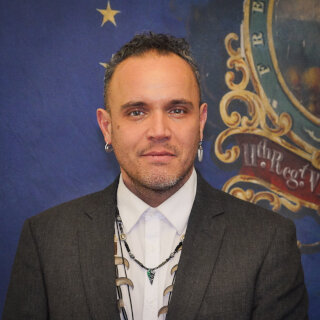
Rep. Brian Cina
Sponsored bills
Maddy summaryH 859 establishes a Psychedelic Therapy Advisory Board to review research on psychedelic therapy's benefits for mental health and substance use disorders, and to recommend state programs allowing therapeutic use of psychedelics. The bill requires Vermont's Department of Health to contract with a Vermont entity to conduct clinical drug development trials specifically for ibogaine - a treatment being studied for substance use disorders and trauma. The Advisory Board will assess public health impacts, monitor other states' programs, and propose pilot projects for psychedelic-assisted therapy in end-of-life care or for mental health conditions. This directly affects Vermont's healthcare system, mental health providers, and individuals seeking treatment for conditions resistant to current therapies.
Maddy summaryH 860 creates a working group to develop a proposal for a "Justice and Recovery Hub" on state land near Burlington's Costello Courthouse and Department of Labor, plus identify additional "spoke" sites along public transit corridors. The group, composed of state agency directors and regional planning representatives, will design a hub including a 200-bed residential facility for people recently released from incarceration, recovery housing for youth (prioritizing those with Department for Children and Families history), and nonresidential components like firehouse space and business storefronts. It will also identify sites for "spoke" locations offering similar services in Addison, Chittenden, Franklin, and Washington Counties. The group must submit a report with recommendations by January 2027 and is allocated $200,000 for stakeholder engagement and expert support. This bill establishes a process for planning, not direct funding or construction.
Maddy summaryH.853 proposes expanding access to contingency management therapy (a behavioral treatment) and neurofeedback (a brain-training technique) within Vermont's health care and criminal justice systems. The bill would appropriate funds for existing programs using these methods, require studies on broader implementation, and create new pilot programs specifically for justice-involved individuals. This directly affects Vermont's health care providers, criminal justice agencies, and people involved with the justice system seeking recovery support.
Maddy summaryH 852 requires Vermont's Agency of Human Services and stakeholders to develop a "blue zone blueprint" after completing a public engagement campaign. The campaign must include education, media outreach, and community input to establish a shared statewide definition of "blue zone" and assess existing community resources, needs, and service gaps. This blueprint will identify opportunities for Vermont communities to pursue "blue zone" status, which typically emphasizes longevity and healthy lifestyles. The bill focuses on a collaborative planning process rather than immediate policy changes.
Maddy summaryThis bill (H.868) would require Vermont public schools to phase out ultra-processed foods - like packaged snacks, pre-made meals, and sugary drinks - from school meals and replace them with foods made from scratch using whole, fresh ingredients. It directly affects all Vermont public school food programs, including cafeterias serving students. The key mechanism is establishing new guidelines to gradually eliminate ultra-processed items while increasing the use of unprocessed or minimally processed foods. The bill aims to improve student nutrition by prioritizing fresh, whole foods over highly processed options in school meals.
Maddy summaryThis is a commemorative resolution (HCR 175), not a substantive bill. It honors the late Venerable J. Stannard Baker of Shelburne, recognizing his pivotal role in Vermont's marriage equality history. The resolution commemorates his leadership in the landmark 1999 *Baker v. State* case that established marriage equality under the Vermont Constitution, leading to civil unions and later marriage rights. It expresses the legislature's condolences to his family and directs the Secretary of State to share the resolution with his family and the Episcopal Diocese of Vermont.
Maddy summaryHCR 177 is a ceremonial resolution honoring Twin Valley High School's Athletic Director and boys' soccer coach Buddy Hayford for achieving 500 career coaching victories. It recognizes his 43-year coaching career, including 10 divisional titles, two state basketball titles, and his status as Vermont's first high school soccer coach to reach 500 wins. This resolution, offered by all House members and sponsoring senators, formally congratulates Hayford and directs the Secretary of State to send a copy to him and his school - **it is not a law but a symbolic gesture of appreciation**.
Maddy summaryH.846 requires high-traffic online platforms to block materially deceptive election content and label inauthentic or synthetic AI-generated content during specific periods before and after Vermont elections. It prohibits knowingly distributing deceptive election ads with malice within 120 days of an election. The bill also mandates that political advertisements created or altered using AI include a clear disclosure statement. These provisions directly affect online platforms, political advertisers, and election participants in Vermont.
Maddy summaryThis resolution designates January 29, 2026, as Mental Health Advocacy Day at the Vermont State House. It directly affects the Vermont General Assembly, which formally recognizes the annual event, and mental health advocacy organizations like NAMI Vermont and the Vermont Association for Mental Health and Addiction Recovery, which will receive a copy of the resolution. The key mechanism is the official designation of the date for the existing annual advocacy event, with no new policies or funding created. The resolution serves as a ceremonial recognition of ongoing mental health advocacy efforts in Vermont.